

If one of your home appliances stops working, it can feel like the whole house is on hold. The good news? Many issues are easy to spot and fix with a few tools and a little patience. Below you’ll get straight‑to‑the‑point advice that works for washing machines, ovens, fridges, dishwashers, and more. No fluff, just the steps that actually get your gear running again.
First, identify the symptom. Is the washing machine not spinning? Does the oven stay cold? Does the fridge hum but stay warm? Write down exactly what’s happening – that will guide the right fix.
Washing machines often stop spinning because the door latch isn’t locking, the drive belt is worn, or the load is unbalanced. Unplug the unit, check the latch for debris, and make sure the belt isn’t cracked. If the belt looks fine, redistribute the laundry and try a short cycle.
Electric ovens that won’t heat usually have a faulty heating element or a broken thermostat. Remove the oven’s back panel, locate the element, and test it with a multimeter. A zero reading means the element needs replacement – a job most DIYers can finish in under an hour.
Fridges that run but don’t cool often suffer from a dirty condenser coil or a malfunctioning evaporator fan. Pull the fridge away from the wall, brush off any dust on the coils, and listen for the fan when the door is open. If the fan is silent, it may need a new motor.
Dishwashers that stop mid‑cycle frequently have a clogged pump filter. Remove the bottom rack, locate the filter (usually near the spray arm), and clean out food particles. Run a short wash to see if the problem is gone.
For extractor fans in kitchens or bathrooms, a whining noise means the motor bearings are wearing out. Turn off the power, remove the fan cover, and check the blade for wobble. Tightening the mounting screws or replacing the fan can restore quiet operation.
In every case, keep a simple checklist: power off, inspect obvious wear, clean any dust or debris, test with a multimeter if you have one, then replace the faulty part. Most parts are cheap and sold at local hardware stores.
DIY works for many fixes, but some jobs need a qualified technician. If you’re dealing with gas‑powered appliances, such as boilers or gas ovens, never attempt a repair yourself – the risk is too high. Also, if a water heater keeps resetting, it could be an electrical fault that requires a certified plumber.
Another red flag is a persistent leak in a washing machine or dishwasher that you can’t locate. Water damage can spread quickly, and a professional will have the right tools to find and seal the source.
When the repair cost approaches half the price of a new appliance, it’s time to weigh replacement. Our team in Bognor Regis can give you a clear quote and help you decide whether fixing or buying makes sense for your budget.
Finally, if an appliance shows any sign of smoke, sparks, or a burnt smell, shut it down immediately and call an expert. Those clues point to an electrical short that only a trained engineer should handle.
Whether you’re tackling a simple filter clean or need a full service, the right approach saves time, money, and headaches. Keep this guide handy, and you’ll know exactly what to try first and when to pick up the phone for professional help.

Got an appliance that isn’t working right? The way you describe it can make or break your service experience. This article breaks down how to explain what’s wrong with your appliance, what details really matter, and how to avoid confusion. Learn which features, model numbers, and problem signs technicians care about. Save time and frustration on your next repair call.
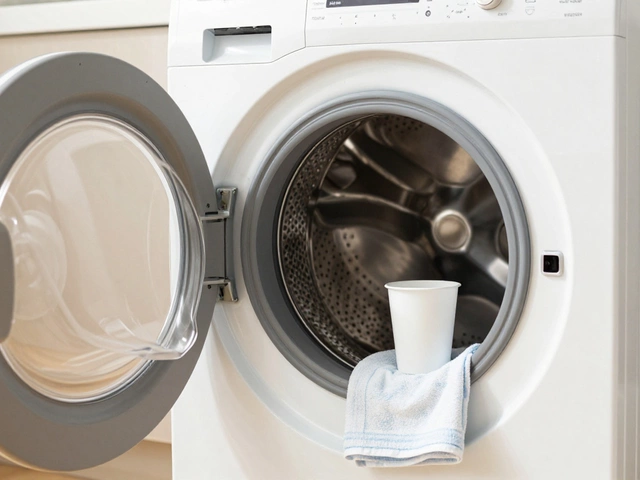
The longest average lifespan of a washing machine is 15-20 years for high-quality models with proper care. Most last 8-12 years, but maintenance, load size, and water quality make a huge difference. Learn how to extend your washer's life and when to repair vs. replace.

Learn fast DIY steps to diagnose and fix a non‑working water heater, plus safety tips, maintenance advice, and when to call a professional.
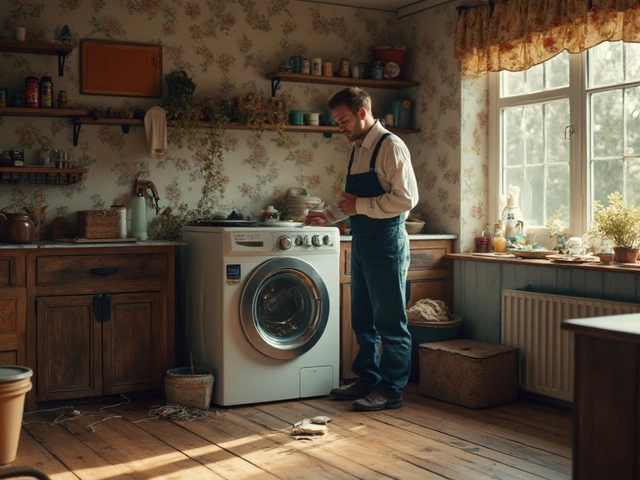
Wondering if fixing your 7-year-old washing machine is worth it? This guide helps you weigh the pros and cons. Consider factors like repair costs, common issues, and the appliance’s lifespan. Find out when it makes sense to repair or replace. Get informed tips to make the best decision for your laundry room.

Thinking about installing a new electric oven? It's not always as simple as plugging it in. Discover the ins and outs of electric oven installation with tips on wiring, safety precautions, and when to call a professional. Learn what to check before attempting to plug in a new unit and how to ensure everything's set up correctly for safe and efficient use.

Extractor fans are essential for maintaining air quality in enclosed spaces like kitchens and bathrooms. When these fans break down, they can lead to moisture buildup and unpleasant odors. This guide offers practical advice on fixing a broken extractor fan, providing step-by-step instructions that any homeowner can follow. Learn how to diagnose common issues and the tools needed to restore your fan to working order.