

When an appliance breaks down you want a fast fix, not a long wait. In this guide we’ve gathered the most useful tricks from real technicians so you can decide whether to roll up your sleeves or call in the experts.
We cover everything from ovens that won’t heat to heat pumps that lose their warmth, plus quick checks for fridges, washers, and even kitchen extractors. The goal is simple: give you clear steps that work, save you money, and keep the hassle to a minimum.
Electric oven not heating? The biggest culprits are a blown heating element or a faulty thermostat. Turn off the power, locate the element (usually behind the back panel), and test it with a multimeter. If it reads infinite resistance, replace it – many DIY guides show it takes under an hour with a screwdriver.
Hob element burns out? Swapping a broken electric hob element is similar. Make sure the hob is unplugged, note how the wires connect, remove the old element, and snap the new one in place. Tighten the screws and you’re back to boiling water.
Heat pump not blowing warm air? First, check the filter – a clogged filter can starve the unit of airflow. Next, ensure the outdoor fan spins freely. If the coil looks icy, the low‑temperature cut‑out may have triggered; a quick defrost can restore performance.
Fridge light on but no cooling? Listen for the compressor clicking. If it’s silent, the start relay may have failed. Replacing the relay is cheap and often fixes the issue. Also, verify the condenser coils are clean; dust builds up fast in a kitchen.
Water heater keeps resetting? A reset button usually trips when the thermostat overheats. Let the tank cool for 15 minutes, then press the reset. If it trips again, sediment buildup is likely, and a full flush will help.
Some fixes are safe for anyone with basic tools, but a few jobs need a certified specialist. Anything involving gas, high‑voltage wiring, or sealed refrigeration circuits should be left to a qualified technician. For example, a boiler that’s making strange noises or a heat pump that won’t cool at all often points to internal component failure that requires professional diagnosis.
Similarly, if you notice a persistent leak from a dishwasher or a washing machine that won’t spin after trying basic checks, a trained appliance technician can pinpoint the exact part that’s gone bad and replace it correctly.
Remember, the cost of a professional call can be far less than the expense of a botched DIY repair that damages the appliance further. Ask for a clear quote before work starts, and make sure the technician is Gas Safe registered if they’ll handle any gas‑related equipment.
Keeping a small toolbox (screwdrivers, pliers, multimeter) and a notebook of model numbers will make any future call‑outs smoother. Jot down the symptoms, what you’ve already tried, and any error codes you see – technicians love that info and it speeds up the fix.
Whether you end up swapping an oven element yourself or scheduling a boiler service, the right knowledge makes the process less stressful. Use these technician‑tested tips as a first line of defence, and you’ll spend less time waiting and more time enjoying a fully working home.

This article breaks down what 'appliance for a job' really means in the appliance service world. It explains common misunderstandings and clarifies whether it refers to equipment or applying for work. The piece gives real-world examples, explores the hiring process for technicians, and shares tips for both customers and job seekers. Straightforward info keeps things practical and easy to follow. If you've ever scratched your head at this phrase, you'll finally get the answer here.

Wondering what an appliance job really is? This article breaks down everything you need to know, from common types of jobs to what actually happens when a technician shows up at your door. You'll learn when to call for help, what to expect during a service visit, and how to get the best results for your money. Get practical tips before you book, so there are zero surprises. Whether it’s your fridge, washer, or oven acting up, this guide has your back.
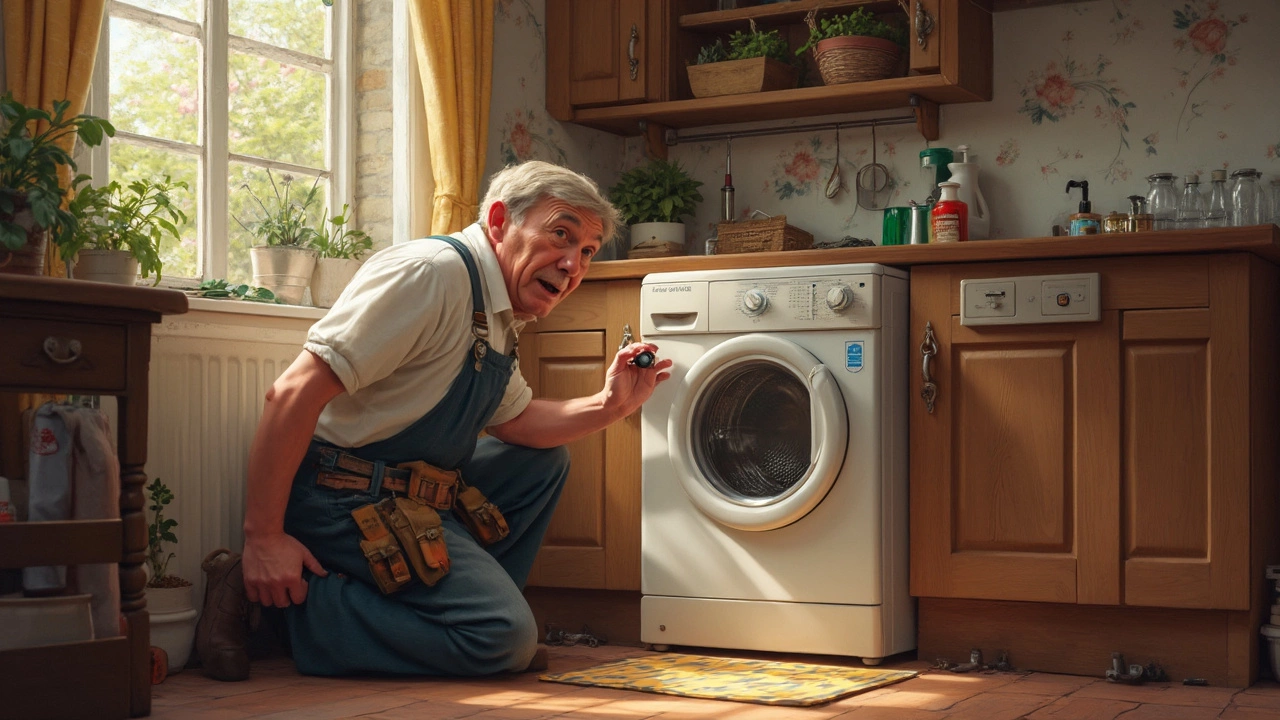
An appliance technician plays a crucial role in keeping household and commercial appliances running smoothly. They diagnose issues, perform necessary repairs, and offer maintenance tips to prevent future problems. Understanding their responsibilities helps in appreciating their importance. This article provides insights into the day-to-day duties of an appliance technician and offers tips for those aspiring to join this field.

Extractor fans play a crucial role in maintaining the air quality of your home, yet often go unnoticed until issues arise. Regular servicing of extractor fans can prevent malfunction, improve efficiency, and extend the lifespan of the device. This article explores the importance of servicing extractor fans, signs that show when a service might be needed, and provides maintenance tips to keep these devices in tip-top condition. Learn how a well-maintained extractor fan can contribute to a healthier living environment.

Curious about what counts as an appliance? Get concrete examples, clever tips, and practical facts about home appliances to make smart choices for your household.
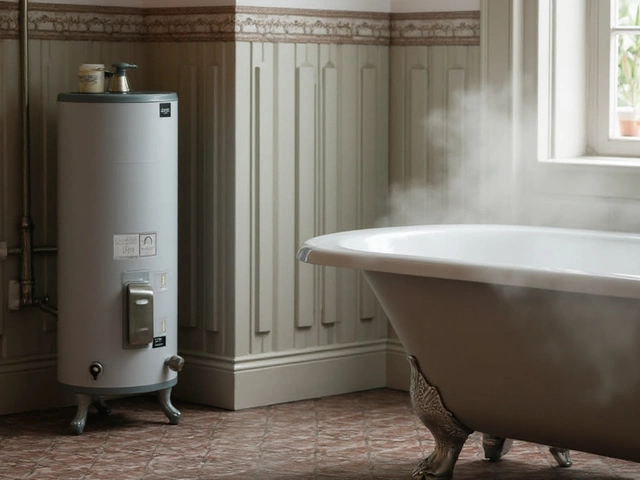
This article delves into the debate between Rheem and AO Smith water heaters, two titans in the world of home appliances. It provides a comprehensive comparison, exploring key aspects like energy efficiency, durability, and cost-effectiveness. It also highlights some interesting facts and practical tips to help you choose the right water heater for your needs. Whether you're looking to upgrade your system or repair your current unit, this guide aims to provide valuable insights.
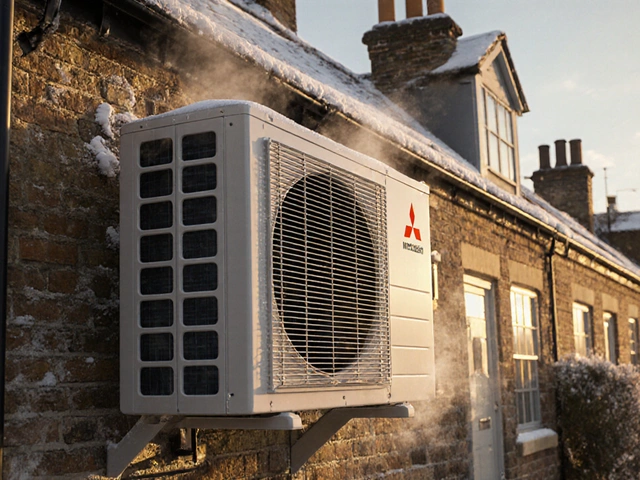
Discover the most reliable heat pump brands for UK homes in 2025, based on real repair data, warranty claims, and installer feedback. Avoid costly mistakes by choosing wisely.
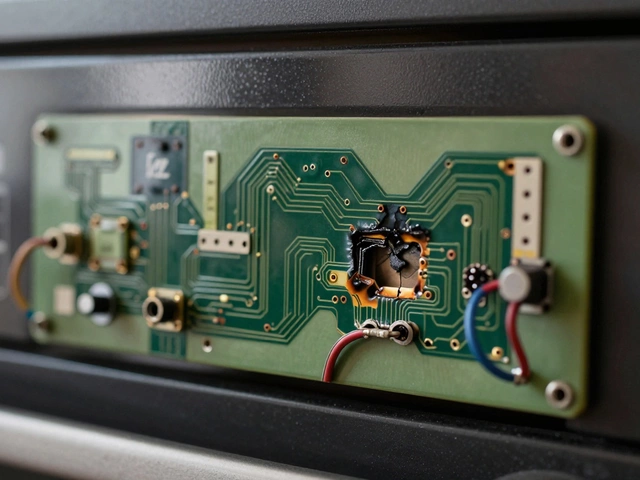
Learn the clear signs your electric oven's control board is failing, how to test it, what to check first, and whether to repair or replace. Save time and money with practical, real-world advice.