

Got a noisy dishwasher, a fridge that struggles to stay cold, or an oven that never heats up? Before you call a repair service, ask yourself if it’s worth fixing or if it’s time for a fresh unit. Knowing the signs that an appliance has reached the end of its useful life can save you money and hassle.
Most appliances have a typical lifespan – around 10‑15 years for a fridge, 8‑12 for a washing machine, and 5‑10 for a dishwasher. When an item is older than that, repair costs often start to climb. If a single repair costs more than half the price of a new model, replacement is the smarter move.
Other red flags include repeated breakdowns, parts that are no longer sold, and energy‑inefficient performance. An old fridge that uses a lot of power not only bumps up your bill but also adds strain to the grid. Swapping it for an Energy Star model can pay for itself in a few years.
Safety is another factor. A cracked oven door, frayed power cord, or a heater that sparks is a fire risk. In those cases, even a cheap fix isn’t worth the danger – replace it right away.
If you’ve decided to replace, you don’t always need a pro. Many appliances are designed for easy swapping. Here’s a quick run‑through for the most common jobs.
Dishwasher: Turn off the water supply, disconnect the power cord, and remove the mounting brackets. Slide the old unit out, slide the new one in, and re‑attach the brackets. Hook up the water hose and test a short cycle.
Electric Hob Element: Unplug the hob, remove the burner caps, and locate the faulty element. Unscrew the connector, pull the old element out, and snap the new one in place. Re‑assemble and test each burner.
Oven Element: Safety first – disconnect the oven from power. Remove the back panel, locate the heating element, and unscrew the mounting bolts. Replace with the new element, tighten the bolts, and re‑fit the panel.
For all DIY swaps, keep a photo of the wiring before you disconnect anything. That way you can match connections quickly when you reinstall. Also, have a basic toolkit ready: screwdrivers, adjustable wrench, pliers, and a flashlight.
When you buy a replacement, match the size, voltage, and connection type. A 220‑volt dryer won’t fit a 110‑volt outlet, and a 60‑cm fridge won’t slip into a 55‑cm cavity. Double‑check the model numbers and read the specifications.
Finally, recycle the old unit responsibly. Many local councils offer bulk‑waste collection, and many retailers will take back the old appliance when they deliver the new one. That keeps hazardous refrigerants out of the landfill.
In short, keep an eye on age, repair costs, and efficiency. When the numbers tip toward replacement, yourself can handle many swaps with a few tools and a bit of patience. If a job feels beyond your comfort level, a qualified technician will get it done safely and fast – and that’s exactly what Bognor Regis Appliance Repair Experts are here for.

Thinking about ditching your gas appliances? This article breaks down the real pros and cons of keeping or replacing things like your gas stove, water heater, or furnace. Learn how safety, repair costs, and future-proofing your home play into this decision. There are lots of myths out there and we’ll sort out the facts. You'll also pick up practical tips on making the best choice for your budget and home. Let's cut through the noise and find out what really matters for your gas appliances.

Find out exactly how much it costs to fix an oven that won't heat in the UK in 2026. We break down labour, parts, and hidden fees to help you decide between repair and replacement.

This article provides a comprehensive guide on how to test and maintain your kitchen extractor fan to ensure it functions optimally. It includes practical steps for diagnosing common issues, cleaning tips to improve efficiency, and essential maintenance advice. Discover how to test airflow and electrical components safely, ensuring your kitchen remains free from unwanted odors and excess humidity. Learn valuable insights and practical tips to keep your extractor fan in top shape.

Find out how to tell if your oven’s heating element or thermostat is busted with simple tests, warning signs, and expert tips you can trust.
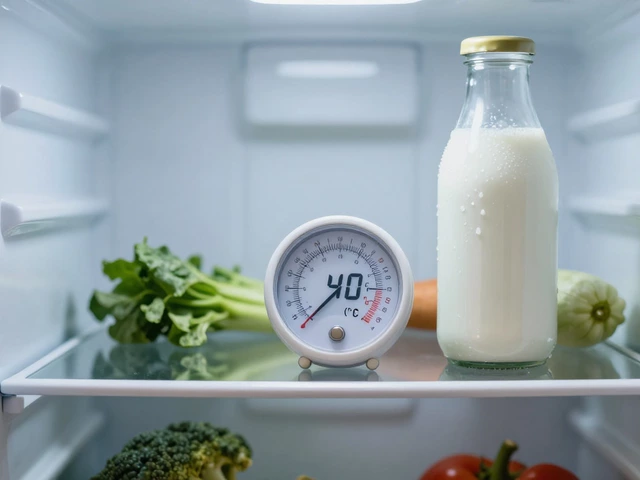
Learn how to tell when a refrigerator goes bad by spotting key signs like temperature drops, strange noises, and frost buildup. Discover when to repair vs. replace your fridge.
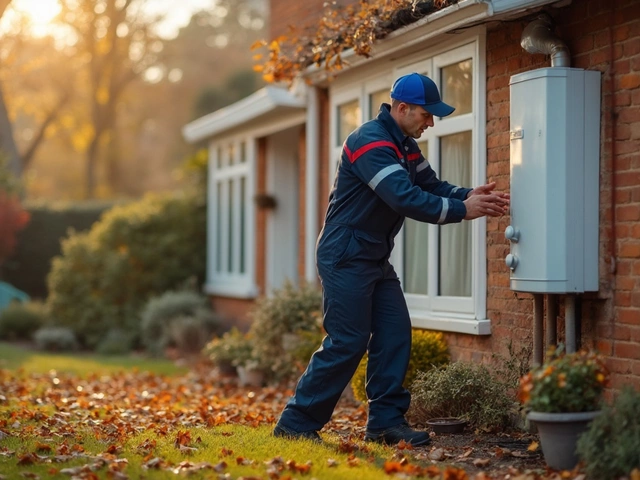
Replacing a boiler can seem like a daunting task, but knowing what to expect can make the process easier. Typically, boiler replacement involves several steps including removing the old unit, choosing the right size and type for your home, and ensuring proper installation. Skilled professionals often make the experience smoother by handling the technical aspects and minimizing disruption. Preparation and understanding of the process can help homeowners tackle this job with confidence.