

Ever wonder why your oven stops heating or your dishwasher never seems to dry? Most of the time it’s a simple function that’s gone off track. Knowing how the key parts of your appliances work can save you time, money, and a lot of frustration.
Every appliance has a core job – a dishwasher washes dishes, a heat pump moves heat, a washing machine spins clothes clean. Behind those jobs are a few basic components: heating elements, motors, fans, sensors, and control boards. When any of these parts fail, the whole device can feel broken.
Take an electric oven, for example. Its job is to turn electricity into heat via an element. If the element burns out, the oven won’t get hot. The same idea applies to a fridge: a compressor squeezes refrigerant, and a fan blows cold air around. A broken fan means the fridge stays warm even though the light works.
Most homeowners can spot the first signs of trouble without calling a technician. Here are a few quick checks you can do:
If any of these steps restore function, great – you’ve saved a callout fee. If not, it’s usually time to call an expert, especially for gas‑related appliances or anything that involves high voltage.
One rule of thumb: if you’re unsure about handling electrical components, pause and call a qualified repair service. Safety first, always.
Understanding the basics of how appliances work makes you less likely to panic when something stops working. Whether it’s a dishwasher that won’t drain, a boiler that’s making strange noises, or a fridge that’s warm but still lights up, the root cause is often a single failed function. Spot it early, try a quick fix, and you’ll keep your home running smoothly without blowing your budget.

Curious about how your home appliances actually work? Get a full breakdown of what happens inside, troubleshooting tips, and smart ways to keep everything running smoothly.
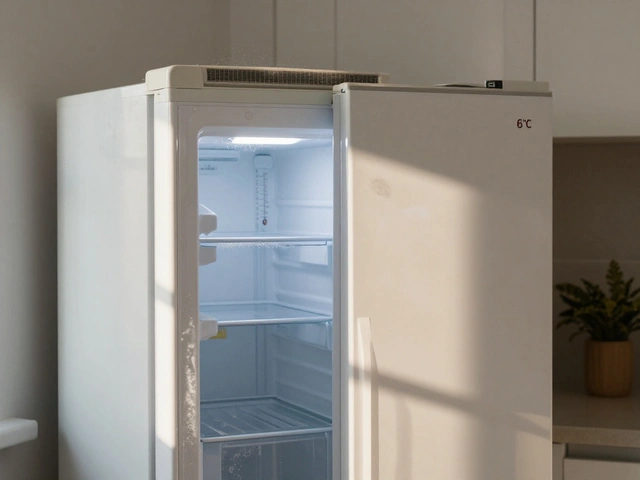
The average refrigerator lasts 13-17 years, but lifespan depends on maintenance, usage, and environment. Learn the signs it's failing, when to repair vs. replace, and how to make yours last longer.

Microwaves seem invincible until they suddenly stop working—usually right when you're hungry. This article tackles what actually breaks down most often in a microwave, from simple blown fuses to tricky magnetrons. You'll learn the telltale signs for each failure, why these things wear out, and how to figure out if it’s something you can fix yourself. Plus, there are practical tips on keeping your microwave running smoother for longer. Perfect for anyone tired of cold leftovers and expensive repair bills.
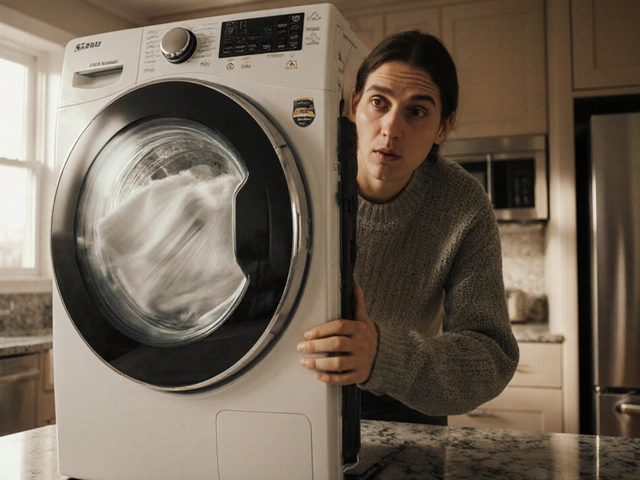
Learn why and when appliances need professional service, the signs of trouble, how often each should be checked, DIY tips, costs and when to replace.
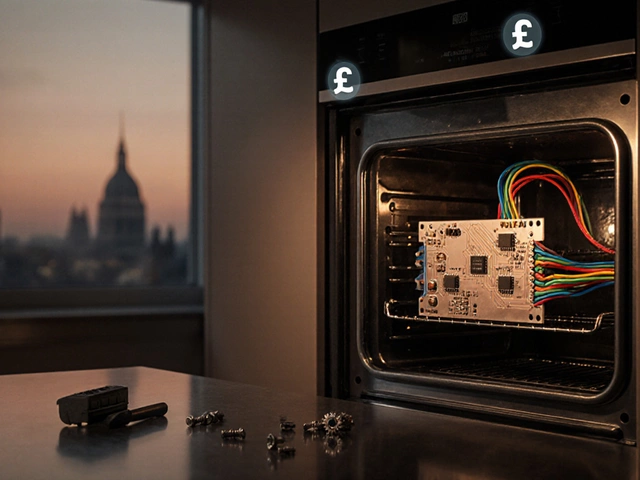
Learn the typical UK price for an oven control board, factors that affect cost, DIY steps, and when to call a professional in 2025.

Learn how often to flush your water heater, why it matters, signs it's time, mistakes to avoid, and simple steps to, maintain hot water at home.