

Got a noisy washing machine, a cold oven, or a fan that won’t spin? You don’t have to panic or splurge on a new gadget. Most household appliances have a few common hiccups that you can sort out yourself with the right know‑how.
First, grab a screwdriver, a flashlight and a bit of patience. Turn off power or water where needed, and you’ll already be safer than most people who just call a technician without checking the basics.
Washing machines often stop spinning because the door latch is loose or the pump filter is clogged. Remove the filter, clean any lint and give the door a firm click – the spin cycle should restart.
Electric ovens that won’t heat usually have a faulty heating element. Unscrew the back panel, locate the element, test it with a multimeter, and if it’s dead, swap it for a new one. You’ll feel the heat in under an hour.
Hobs and stove tops suffer from burnt burners or broken elements. Turn off the power, pull the faulty burner out, clean debris, and replace the element if it’s cracked. A clean burner lights up fast.
Heat pumps that stop blowing warm air often have a dirty filter or a frozen coil. Switch the unit off, clean or replace the filter, and let the coil thaw for 30 minutes. Warm air should be back.
Water heaters that keep resetting are usually dealing with a broken thermostat or a buildup of sediment. Drain a few gallons, check the thermostat wiring, and tighten any loose connections.
Extractor fans in kitchens or bathrooms can stop when the motor’s bearings wear out. Remove the fan cover, clean the blades, and if the motor hums but doesn’t spin, replace the motor assembly.
If you spot electrical sparks, smell gas, or the appliance still won’t work after a simple fix, it’s time to call a qualified technician. Gas‑powered boilers, high‑voltage ovens, and sealed‑system heat pumps need certified engineers for safety reasons.
Also, when a repair cost creeps past half the price of a new unit, weigh the long‑term savings. A 4‑year‑old dishwasher, for example, might be cheaper to replace than to keep fixing.
Remember, a quick check of the user manual often reveals troubleshooting steps that can save you both time and money. Most manufacturers list the most common faults and how to reset the system.
By tackling these easy fixes yourself, you’ll extend the life of your appliances, cut down on service bills, and feel a lot more confident around the house. Keep this guide handy, and you’ll never be stuck wondering, "What do I do now?"

If your cooker suddenly stopped working, it might be due to a range of reasons from electrical issues to simple user errors. Understanding the root cause is key to fixing the problem efficiently. In this article, we explore common reasons why cookers fail and offer practical troubleshooting tips to get your appliance working again. From checking the power supply to examining electrical components, we cover it all. Get your cooker back up and running with our straightforward guide.

Gas cooktops are an essential part of the modern kitchen, but like all appliances, they can encounter problems over time. This article provides valuable tips and tricks on how to diagnose and repair common gas cooktop issues such as faulty igniters, uneven flames, and gas leaks. With useful insights and step-by-step guidance, even the least experienced DIY enthusiasts can potentially save money and extend the lifespan of their cooktops. If the repairs are too complex or safety is at risk, it is always advisable to seek professional assistance.

Wondering who fixes extractor fans? Find out which trade has the right skills, top repair tips, and practical advice for solving extractor fan issues fast.

Need to replace your electric oven element? Find out how much it costs, what affects the price, and the best options for repairing your oven in 2025.

Discover the essential roles appliances play in our daily lives and learn effective tips for maintaining their efficiency. From refrigerators to washing machines, each appliance features unique mechanics tailored for specific tasks. Grasping these functions is crucial for efficient servicing and longevity. Uncover surprising facts about how appliances work and ground yourself in practical maintenance advice to keep them running smoothly.
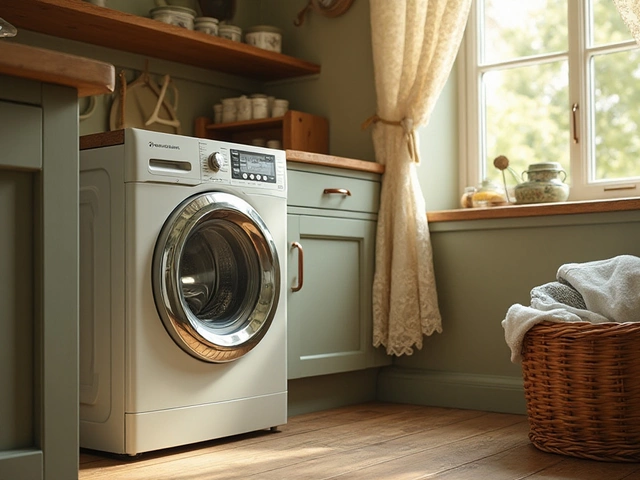
Choosing a reliable washing machine can be a daunting task given the numerous options available. This article provides insights into brands known for fewer repair issues and shares tips to maintain and extend the washer's lifespan. With technological advancements and design improvements, knowing how to select a durable washer can save time and money. Learn about the top performing washer brands based on recent studies and consumer reports. Also, discover interesting ways to keep your machine running smoothly.

Get to know the four appliances that no modern home can do without, why they matter, and how to keep them working smoothly. Discover easy maintenance tips, signs of trouble, and smart ways to save money on repairs. If you want your home to run without a hitch, paying attention to these basics is a must. This article makes home appliance care straightforward and stress-free. No fluff, just practical advice you can actually use.