

If your oven has been cooking for two decades, it’s probably seen a lot of casseroles, roasts, and burnt attempts. At 20 years old, the appliance can still work, but you’ll notice more hiccups than a brand‑new model. Before you toss it out, let’s walk through the main issues, easy DIY fixes, and the point where calling a pro (or buying a new oven) makes sense.
Age brings wear, and ovens are no exception. The most frequent faults you’ll run into are:
These symptoms often overlap, so pinpointing the exact cause saves time and money. If your oven only has one issue, a simple fix can extend its life another few years.
Most of the problems above can be tackled with a few tools and safety precautions. Here’s a quick checklist:
Always disconnect the oven from power before opening panels. If a repair feels beyond your skill level, it’s safer to call an expert.
Even the savviest DIYer hits a wall. Consider professional help if you notice any of these red flags:
A qualified technician can diagnose hidden faults and advise if a replacement is more cost‑effective. In the UK, a typical oven repair call‑out costs £50‑£80, plus parts. If the total repair bill exceeds half the price of a new mid‑range oven (around £400‑£500), it’s usually smarter to replace.
Old ovens also lag on energy efficiency. Modern models use up to 30% less electricity, so a new purchase can offset the upfront cost with lower bills.
Bottom line: start with the easy checks—elements, seals, thermostat—before you scrap the oven. If the fixes are cheap and the oven still heats evenly, you’ve bought yourself a few more years of cooking. If the problems keep returning or the repair cost climbs, weigh the long‑term savings of a new, energy‑smart oven.
Got a 20‑year‑old oven acting up? Follow the steps above, and you’ll know whether a quick DIY repair will do the trick or if it’s time to upgrade to a newer, more reliable model.

Wondering if your 20-year-old oven can be repaired? Discover repair tips, replacement part insights, costs, and when it makes sense to swap your old oven for a new one.
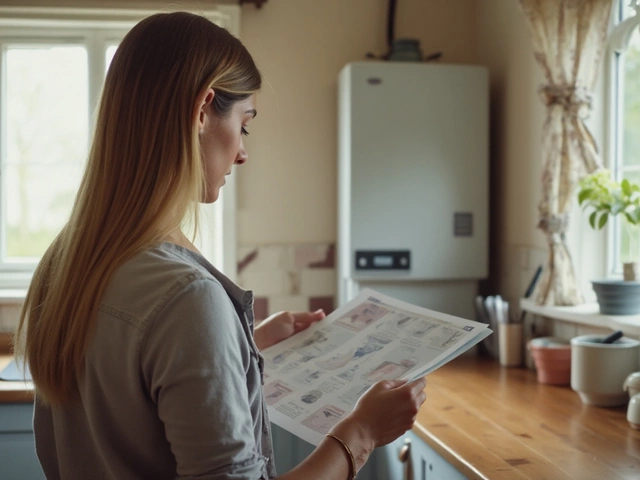
Flushing your water heater is an essential maintenance task that can extend its lifespan and improve efficiency. As water heaters age, sediment and minerals build up, potentially leading to costly repairs or irreparable damage. Learn how often you should flush a ten-year-old water heater and whether it's worth considering professional help. Discover practical tips and insights for maintaining this critical home appliance effectively.

Discover what makes some refrigerator repairs more costly than others. From compressor issues to electronic faults, fixing these problems can hit your wallet hard. We'll uncover why some are pricier than others and offer tips on how to avoid them. Learn about preventive measures to save you money in the long run. This guide is a must-read for every fridge owner looking to keep repair costs at bay.
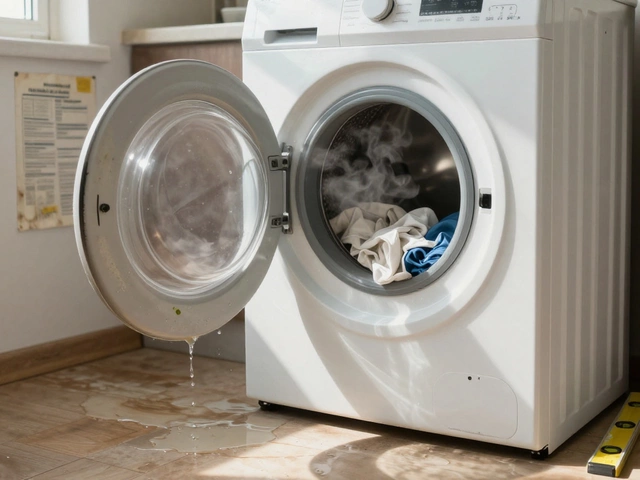
Most washing machines last 8-12 years, but signs like loud noises, leaks, or error codes mean it's time to consider repair or replacement. Learn how to extend its life and when it's better to buy new.
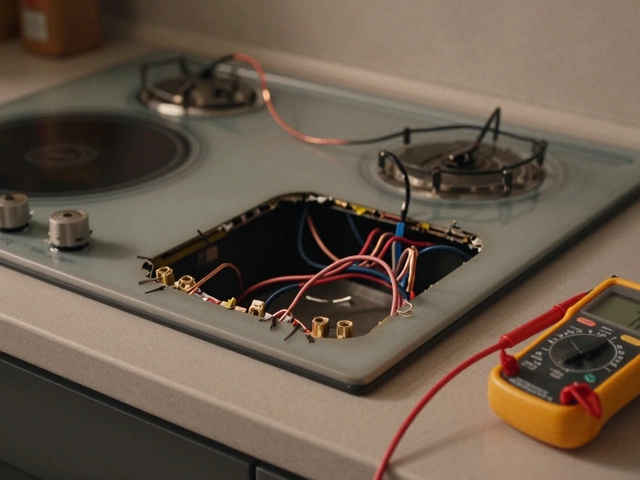
Replacing an electric hob isn't a DIY job. In the UK, it requires a qualified electrician for safety, legal compliance, and insurance reasons. Here's what you need to know before swapping your hob.
Repairing a glass hob is an essential task for maintaining a functional and modern kitchen. The cost of fixing a glass hob can vary greatly depending on the damage's severity and the required repair type. This article delves into the various factors influencing repair costs, from crack treatment to replacement solutions. It also provides tips for maintenance to prolong the lifespan of your hob and prevent future damage.