

If your electric oven has been in the kitchen for a decade, you’ve probably noticed it getting a bit flaky. Maybe it won’t heat up properly, the timer glitches, or the oven door rattles. Before you panic and order a brand‑new unit, let’s see if you can bring it back to life or at least make a smart choice about replacing it.
A well‑maintained electric oven can easily hit the 12‑ to 15‑year mark. After that, parts start to wear out – heating elements corrode, thermostats go off‑track, and wiring can become brittle. The key is to watch for three warning signs:
When any of these show up, it’s time to test the oven before deciding what to do next.
First, try a quick DIY check. Unplug the oven, remove the back panel, and look at the heating element. If you see cracks, black spots, or a break in the coil, swapping the element is usually the cheapest fix. A new element costs between £30‑£70, plus a few pounds for a basic screwdriver set if you don’t already have one.
If the element looks fine, test the thermostat with a multimeter (or ask a friend who’s handy). A faulty thermostat can cause the oven to think it’s hot when it’s not, leading to under‑cooking. Replacing a thermostat is another £20‑£40 job.
When the problem is the control board or wiring, the cost jumps to £150‑£250 – often close to the price of a new budget oven. In that case, compare the repair quote with the price of a new model. A modern 10‑year‑old oven will likely be less energy‑efficient than today’s units, so a replacement could shave a few pounds off your electricity bill each year.
Don’t forget regular maintenance. Clean the oven’s interior after each use, wipe the door gasket, and run a self‑clean cycle (if available) every few months. Keeping the vents clear helps the fan and thermostat stay accurate.
Bottom line: if the repair cost is under £80 and the oven still heats evenly, go ahead and fix it. If you’re looking at a £150+ repair for a unit that’s already 10 years old, start shopping for a new oven – you’ll get better energy ratings and fewer headaches.
Need help deciding? Call a local specialist, explain the symptoms, and ask for an estimate. Most repair shops will give you a free diagnosis and a clear cost breakdown, so you can choose the smartest move for your kitchen and your wallet.

Figuring out whether to repair or replace a 10-year-old range can save money and hassle. This article explores cost considerations, common issues, and when to opt for repair versus replacement. Additionally, discover maintenance tips to extend your range’s life. Make informed decisions with a detailed look into repair pros and cons. Navigate the world of kitchen appliances with confidence.
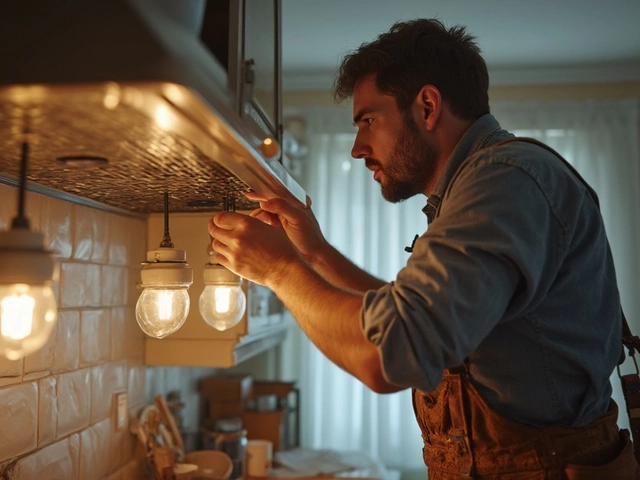
Understanding whether an electrician can repair your extractor fan might save you time and hassle. Dive into the nitty-gritty of what electricians can do for your fan problems, and get tips on how to maintain these helpful appliances. This guide covers the skills electricians bring to the table and when a specialist might be needed. Stay informed and prepared for any fan-related issues that might come your way.

Deciding whether to repair an electric oven after five years can be tricky, especially with advancing technology and evolving household needs. This article explores the practical aspects of oven repair, including cost-benefit analyses, common issues, and DIY tips to help inform your decision. By understanding key factors like repair costs versus replacement options, you can make an informed choice. Learn how to assess the condition of your oven and get tips on when professional help might be needed.
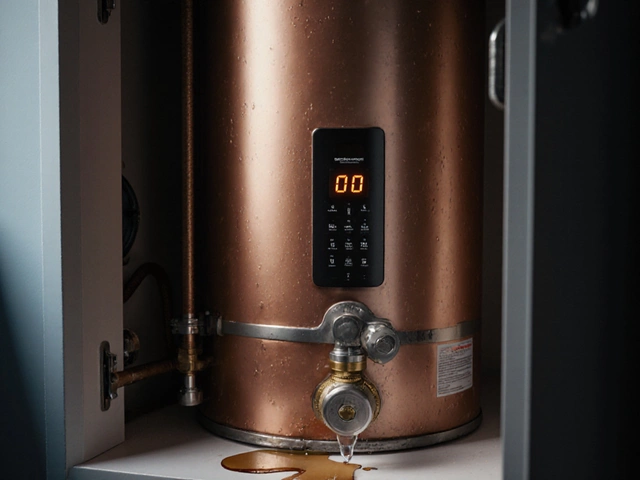
Spot the top warning signs of a failing hot water heater, from strange noises and leaks to temperature swings and error codes, plus practical fixes and when to call a pro.
Water heaters are essential fixtures in homes, providing warm water for daily needs. Understanding their lifespan can help homeowners plan for replacements and avoid unexpected cold showers. Depending on the type and maintenance, a water heater can typically last between 8 to 12 years. Regular inspections and upkeep can potentially add years to a water heater's lifespan.
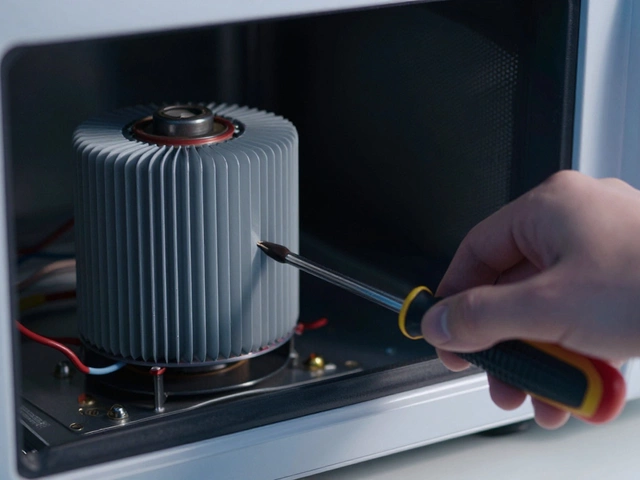
Fixing your own microwave might seem easy, but the high-voltage capacitor inside can deliver a lethal shock-even when unplugged. Here's why DIY repairs are dangerous and what you should do instead.