

If your shower feels like an arctic plunge or you hear weird popping noises from the tank, it’s probably time to think about a new water heater. Replacing a water heater isn’t rocket science, but it does need a plan, a few tools, and a clear idea of when to call in a pro.
Most tanks last 8‑12 years. If yours is older, look for rust spots on the outside, leaks around the base, or a sudden drop in hot‑water output. A noisy rumble or a corrosion‑filled tank means the interior is breaking down and a replacement will save you from a burst tank and water damage.
Even if the unit is still working, high energy bills can signal inefficiency. New models, especially those with a higher energy‑factor rating, can shave 10‑30% off your heating costs.
1. Turn off the power or gas. For electric heaters, flip the breaker at the consumer unit. For gas units, shut the gas valve and vent the system with a kitchen exhaust fan.
2. Drain the tank. Connect a garden hose to the drain valve, run it outside or to a floor drain, and open the valve. Opening a hot‑water faucet inside speeds up draining.
3. Disconnect plumbing. Use two wrenches to loosen the cold‑water inlet and hot‑water outlet. Have a bucket handy for any residual water.
4. Remove the old heater. Unscrew the mounting brackets, then carefully lift the tank out of its niche. It weighs a lot—ask a friend for help.
5. Install the new unit. Position the new heater, level it, and re‑attach the brackets. Re‑connect the inlet and outlet pipes, making sure the connections are tight but not over‑tightened.
6. Re‑fill and test. Close the drain valve, open the cold‑water supply, and watch the tank fill. Once water runs clear at the hot‑water tap, turn the power back on or relight the gas burner. Check for any leaks before you finish.
That’s the whole process in a nutshell. If any step feels beyond your comfort zone—especially anything involving gas—call a qualified engineer to avoid safety risks.
Finally, think about the type of heater you need. Traditional electric or gas tanks are cheaper upfront, but tank‑less models give endless hot water and can be more efficient in the long run. Size matters too: a 40‑gal tank works for a couple of showers daily, while a 50‑gal unit suits larger families.
Replacing your water heater can feel like a big job, but with the right prep and safety first, you’ll have hot water back in a day. And if you ever doubt a step, a local Bognor Regis appliance repair expert is just a call away to make sure the job is done right.
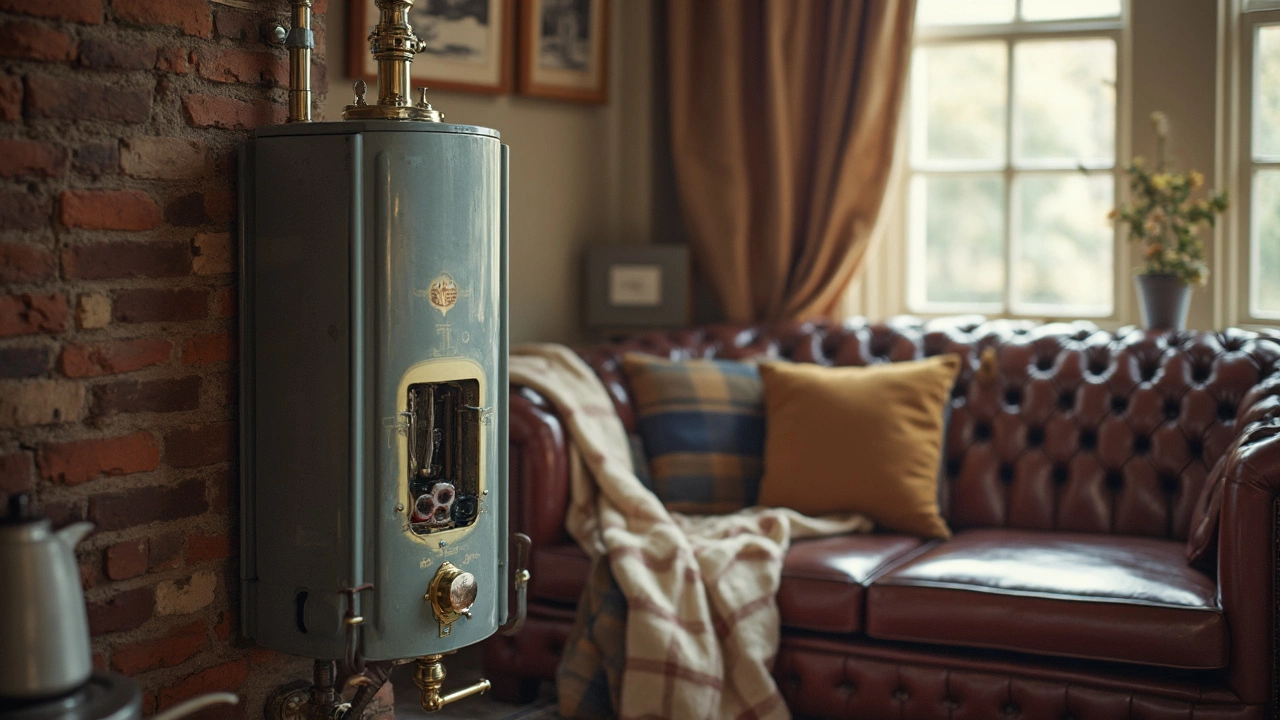
Water heaters don't last forever, so it’s important to know how long yours might stick around. Generally, these devices are built to last about 8 to 12 years, but several factors can influence their longevity. By understanding signs of wear, maintenance tricks, and when it's time to say goodbye to your old model, you can ensure hot showers won't become a thing of the past. Let's break down everything you need to know about your water heater's lifespan.
Find out when repairing your dryer isn’t the smart move. Learn real signs, safety warnings, and how to choose between fixing and just getting a new one.

Find out exactly how much it costs to fix an oven that won't heat in the UK in 2026. We break down labour, parts, and hidden fees to help you decide between repair and replacement.
Discover why laptop repair costs have skyrocketed. From genuine parts pricing to skilled labor rates, we break down the real expenses behind every quote.
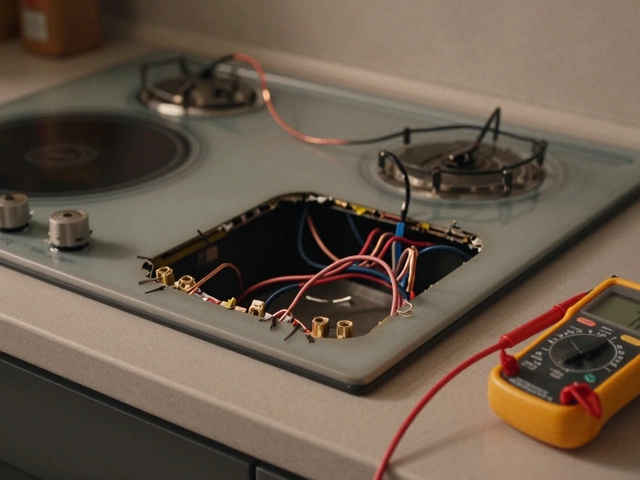
Replacing an electric hob isn't a DIY job. In the UK, it requires a qualified electrician for safety, legal compliance, and insurance reasons. Here's what you need to know before swapping your hob.
Curious about how much a new boiler might set you back? This article breaks down the costs involved, from purchasing the unit to installation fees. Understand the factors that influence pricing and learn practical tips to get the most value from your investment. Discover essential maintenance advice and the importance of proper sizing and efficiency ratings. Equip yourself with knowledge before making a decision about your home's heating system.