

If your washer is making strange noises or won’t spin, the transmission could be the culprit. The transmission is the part that moves water from the tub to the spin cycle, and when it breaks, the whole machine can stop working. Knowing what drives the price helps you decide whether to repair or replace.
Several factors shape the final bill:
Because of these variables, a typical transmission repair in the UK runs from £120 to £300. If the part needs to be ordered, add another £30‑£70 for the component itself.
Most homeowners ask if fixing the transmission makes sense. Here’s a quick rule of thumb: if the total cost is less than half the price of a new washer (around £250‑£350 for a decent mid‑range machine), repair is usually the smarter move.
However, if the washer is over 10‑12 years old, you might face recurring problems. In that case, budgeting for a replacement could save you money in the long run. A brand‑new energy‑efficient washer can cost between £400‑£800, but you’ll enjoy lower running costs and a warranty.
When you call a local repair service like Bognor Regis Appliance Repair Experts, they’ll inspect the transmission and give you a clear quote. Most companies are happy to break down the cost: part price, labour, and any extra fees.
Before you agree to the work, ask these questions:
Getting answers up front prevents surprise charges later.
In summary, a washing machine transmission repair typically costs between £120 and £300, depending on age, brand, and damage level. Compare that to the price of a new machine, weigh the age of your current washer, and ask for a detailed quote. With the right info, you’ll know exactly how much to set aside and whether fixing or replacing is the smarter choice.
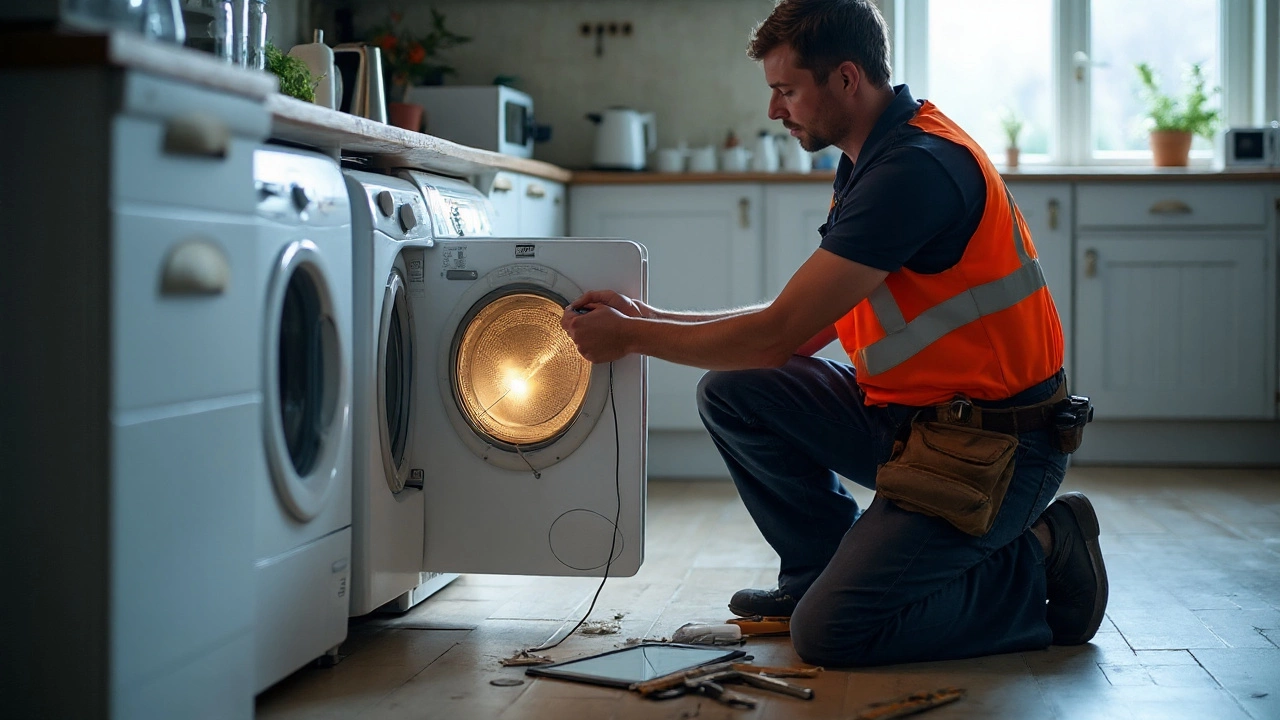
Front-load tub/drum assemblies and top-load transmissions are usually the priciest washer repairs. See real costs, how to diagnose, and when to fix or replace.
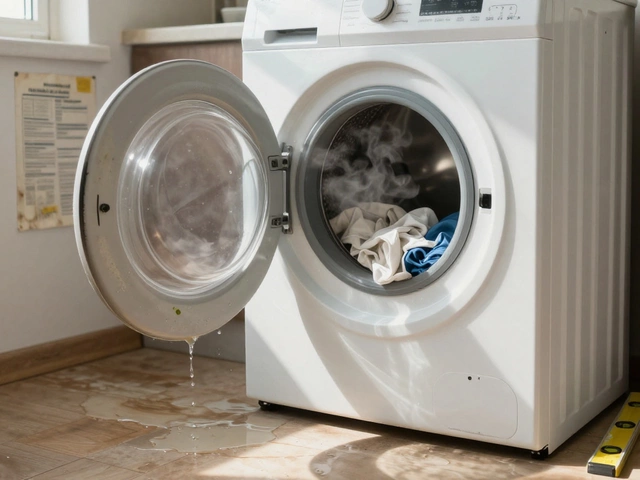
Most washing machines last 8-12 years, but signs like loud noises, leaks, or error codes mean it's time to consider repair or replacement. Learn how to extend its life and when it's better to buy new.
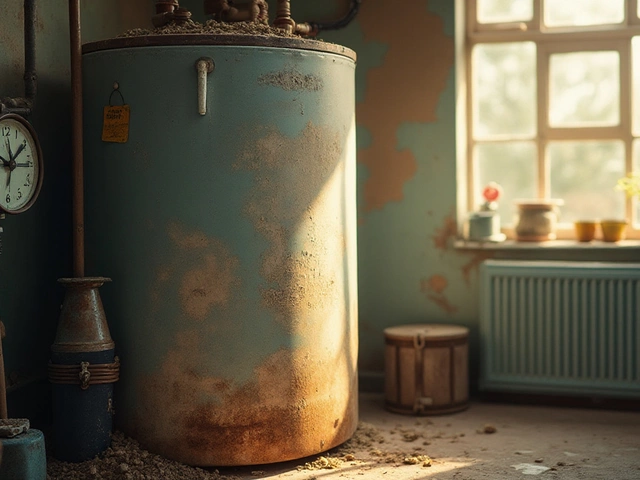
Neglecting to flush your water heater can lead to a host of issues, from inefficiency to full-blown malfunctions. Sediment buildup can decrease heating efficiency and even cause damage over time. This article explores what happens if you never flush your water heater, why regular maintenance is crucial, and how you can perform these tasks. Dive into practical advice and tips for maintaining a healthy water heating system.
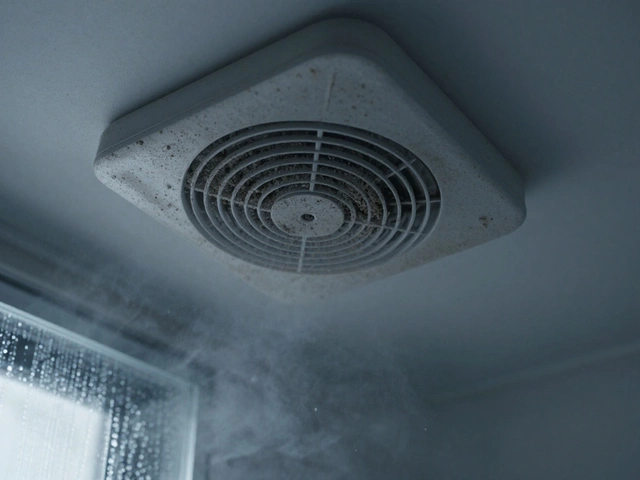
Learn how to service a bathroom extractor fan with this step-by-step guide. Discover essential tools, safety tips, and cleaning techniques to restore airflow and prevent mold.
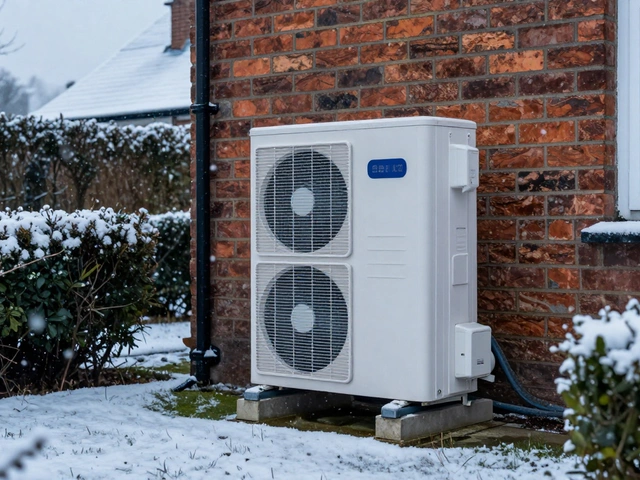
Discover real heat pump repair costs in the UK for 2026. Learn which faults are expensive, how maintenance saves money, and when to replace vs repair your system.

Trying to figure out if you should repair your electric stove or just buy a new one? This article breaks down the real costs, common repairs, and the value of fixing versus replacing. Find out what issues are usually fixable, what repairs make sense, and when to let go. You'll also get practical tips for simple DIY fixes and signs you need a pro. Make a smart choice for your kitchen and your wallet.