

Did you know that a faulty fan can cut indoor air quality by up to 30%? That’s why knowing how long a ventilation fan should work matters. Most kitchen and bathroom fans are built to last between five and ten years, but the exact number depends on a few everyday factors.
First, look at the fan’s environment. A fan that runs constantly in a steamy bathroom ages faster than one used only a few times a week. Heavy moisture, grease, and dust build‑up corrode motor parts and wear out bearings. If you notice a musty smell or reduced airflow, those are early warning signs.
Listen for a louder hum or rattling noises – the motor is straining. Also, check the static pressure: if the fan feels weak and your bathroom stays foggy after a shower, it’s losing power. Finally, look at the grille. Cracks, rust, or a warped shape mean the housing is compromising performance.
When any of these symptoms appear, it’s time to decide between a quick repair and a full replacement. Small issues like a clogged filter or a loose screw are easy fixes you can do yourself. A simple filter clean takes five minutes and can restore a lot of airflow.
Regular cleaning is the single most effective way to add years. Turn off the fan, remove the grille and vacuum the vent with a soft brush. Wash the grille in warm, soapy water, dry it thoroughly, and re‑install. Doing this every three months keeps grease and hair from grinding the motor.
Lubricate the motor bearings once a year if the fan model allows it – check the manual for the right oil type. For fans with sealed bearings, just keep the surrounding area dry and dust‑free.
Another tip is to run the fan for at least 15 minutes after every shower or cooking session. This clears out excess humidity and prevents mold from building up inside the housing.
If you’re comfortable with basic tools, you can replace the fan yourself. The guide “How to Replace a Kitchen Extractor Fan Yourself” walks you through removing the old unit, wiring safely, and fitting a new, more efficient model. The whole job usually takes under an hour.
However, if the motor itself is burnt out or the wiring looks damaged, call a qualified electrician. Working with electricity is risky, and a professional can also test the circuit for hidden problems that could cause future failures.
When you finally need a new fan, choose one rated for a longer lifespan – look for models with stainless‑steel housings and sealed bearings. These cost a bit more upfront but can give you an extra two to three years of reliable service.
In short, expect 5‑10 years, keep an eye on noise and airflow, clean quarterly, and replace the fan when the signs stack up. By staying proactive, you’ll maintain fresh air at home without surprising breakdowns.

Discover how long extractor fans last, what shortens their life, and tips to maximize their lifespan in your kitchen or bathroom. Practical, clear advice from real experience.

When your fridge stops cooling, it can be a real worry, especially with all that food at risk. Before you call the repairman, there are a few steps you can try yourself to bring your refrigerator back to life. From checking the thermostat settings to cleaning coils and examining door seals, you might find that a simple DIY fix does wonders. Understanding how these appliances work can also help prevent future hassles. This guide will walk you through the essential tips and tricks to get your fridge cooling again.
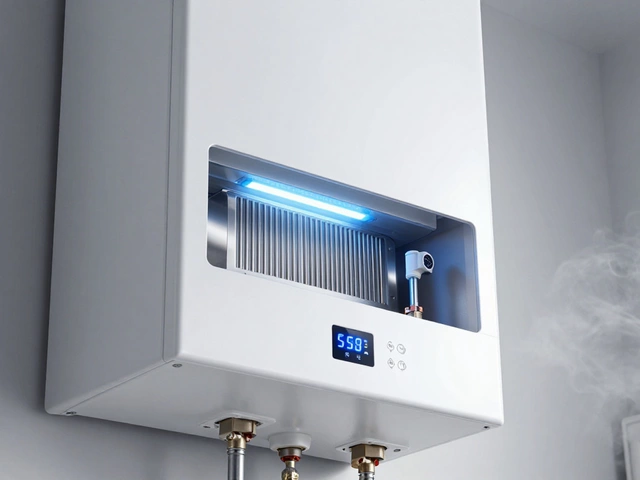
Discover the average lifespan of gas boilers, cookers, and fires. Learn key signs of aging appliances, maintenance tips to extend life, and when to replace for safety and efficiency.
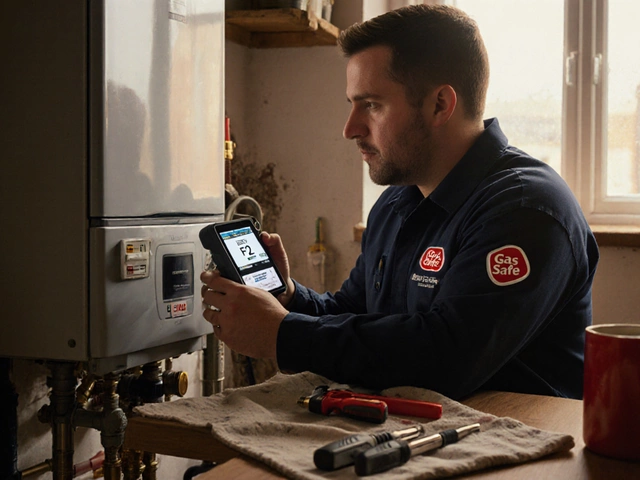
Not all plumbers can fix boilers-only Gas Safe registered engineers can legally work on gas systems. Learn when to call a plumber vs. a heating engineer, how to verify qualifications, and what to expect from a boiler service.
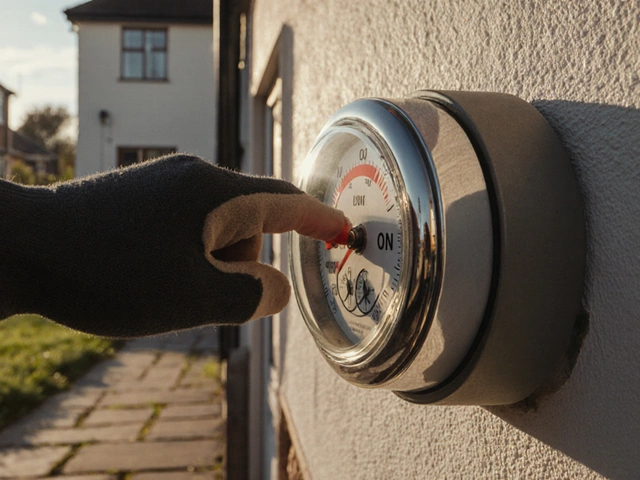
Learn why all your gas appliances might stop working, how to safely troubleshoot common issues, and when to call a Gas Safe engineer.
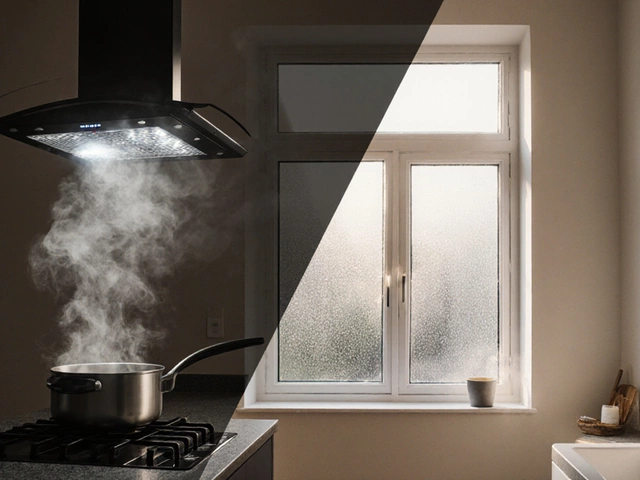
Explore whether you can live without an extractor fan, covering UK regulations, health risks, passive ventilation tricks, dehumidifier use, and when a mechanical fan becomes essential.