

If your stove is making strange noises, heating unevenly, or just not heating at all, you don’t need to panic. Most problems are easy to spot and fix with a few tools and a bit of know‑how. Below you’ll find the most common issues, quick fixes, and a handy maintenance checklist you can use every few months.
Electric stoves usually run into two big complaints: a burner that won’t heat and a control board that acts up. The first sign of a faulty burner is a cold spot or no heat at all. In many cases the heating element has burned out. Swapping the element is a straightforward DIY job – just unplug the stove, remove the screw holding the element, pull it out, and replace it with a new one that matches the model. Our guide on replacing a broken element on an electric hob walks you through each step.
If the burner looks fine but the temperature still won’t rise, check the connection wires. Loose or corroded wires can cause intermittent heating. Tighten any loose terminals and clean away residue with a dry cloth. For an entire stove that won’t power up, the problem might be the main fuse or the circuit breaker. Reset the breaker or replace a blown fuse before moving on to more complex parts.
Regular upkeep prevents most breakdowns. Here’s a quick checklist you can run through every six months:
Keeping a spare heating element on hand can save you a call‑out fee. Most elements are inexpensive and fit a wide range of stove models.
When you’ve gone through the checklist and the stove still misbehaves, it’s time to call a professional. Our Bognor Regis appliance repair team can diagnose deeper electrical issues, test the control board, and get your stove back to full performance fast.
Remember, safety first: always unplug the appliance before working on any part, and never attempt repairs if you’re unsure about the wiring. With a little routine care, your stove will stay reliable for years, and you’ll avoid costly emergency repairs.

Wondering how long your electric stove is supposed to last? This article breaks down real-world numbers, explains what impacts the life of an electric stove, and gives you the know-how to make yours last longer. You’ll get practical advice on repairs versus replacement, and tips to avoid common pitfalls that cut appliance life short. Choosing the right upkeep now can save you money and headaches later. Perfect for homeowners who want their kitchen running smoothly for years.
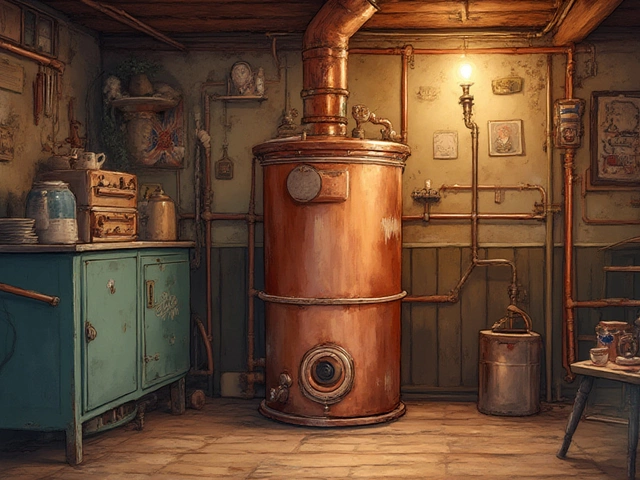
Is it possible for a hot water heater to last 30 years? Here’s a detailed look at what determines water heater longevity, what rare cases look like, and how you can extend your heater’s life with smart habits.
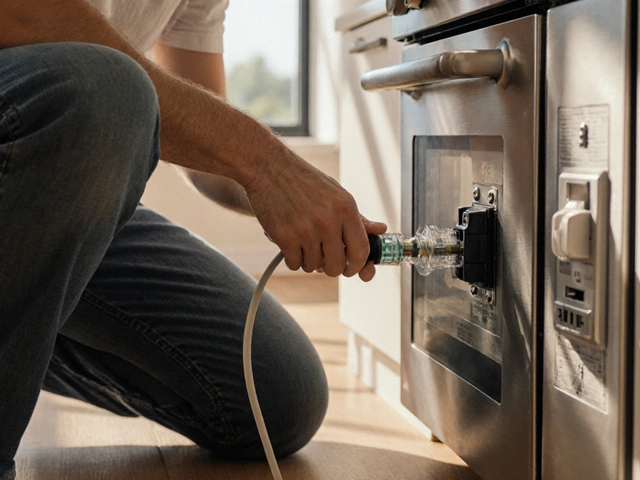
Learn why your electric oven suddenly stopped working, diagnose power, element, thermostat or safety fuse issues, and decide when to DIY or call a repair professional.
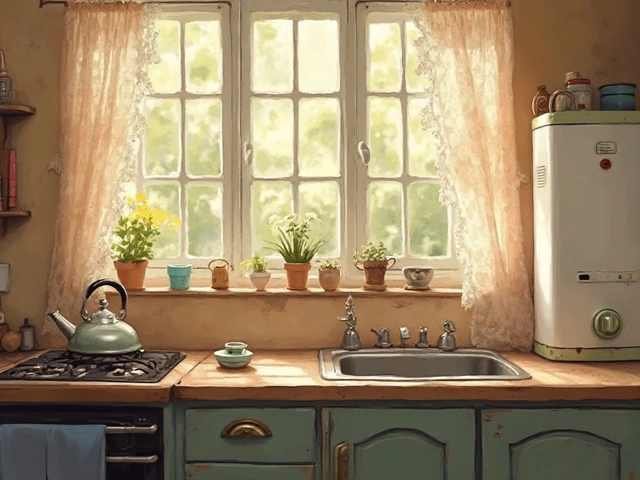
Deciding whether to repair or replace your hot water heater can feel overwhelming. This article explores practical considerations, including the age of the unit, repair costs, and long-term benefits. By understanding essential factors like energy efficiency and potential savings, homeowners can make informed decisions. Discover useful tips and interesting facts to help you choose the best course of action for your specific situation.
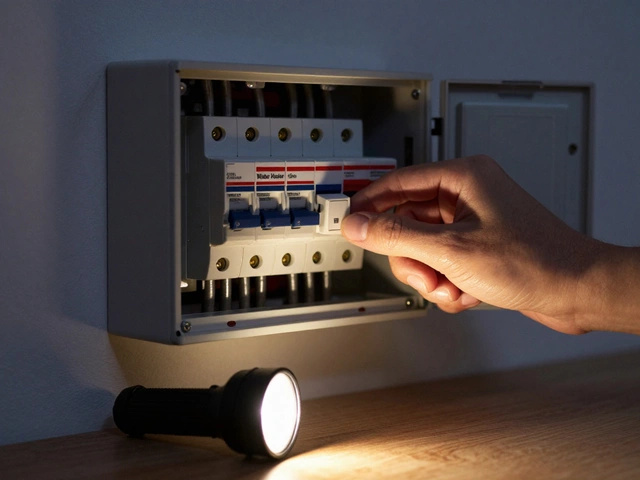
When there's no hot water, the first thing to check isn't the heater-it's the circuit breaker or pilot light. Most issues are simple fixes that save time and money. Learn what to look for and how to fix it yourself.
Discover who to call when your bathroom extractor fan starts acting up. This article explores whether to hire a professional electrician or tackle it yourself, highlighting common issues and maintenance tips. You'll also learn why keeping your fan in top shape matters more than you might think.