

Ever had an appliance quit on you right after you need it most? It feels like the whole house stops. The good news is most breakdowns aren’t total disasters. With a few simple checks you can often get things working again before the weekend ends.
Heat pumps are great for keeping the house comfy, but they can stop blowing warm air in a snap. First, look at the filter – a clogged filter cuts airflow and forces the pump to overheat. Clean it, reset the unit, and you’re usually back in business. If the pump still won’t heat, check the outdoor fan for debris; a blocked fan can make the whole system think it’s freezing outside.
Electric ovens and hobs often give the “not heating” sign. Most of the time the heating element is the culprit. Unplug the oven, remove the back panel, and inspect the element for visible cracks or breaks. Swapping it out is usually a 10‑minute job with a screwdriver and a new part. If the oven lights up but stays cold, also give the thermostat a quick test with a multimeter – a faulty thermostat will need replacement.
Washing machines can stop spinning or drain slowly. A blocked pump filter is the usual suspect. Pull the small hatch at the front bottom, clear any lint or coins, and reassemble. If the machine still won’t spin, the drive belt may have slipped or worn out; tightening or replacing the belt often solves the problem.
Dishwashers and fridges love a good reset. For a dishwasher that won’t start, turn off the power for a minute, then turn it back on – this clears any electronic hiccup. A fridge that’s not cooling but still lights up usually means the condenser coils are dusty. Vacuum them with a brush attachment and watch the temperature drop back to normal.
Water heaters and boilers are the backbone of hot water. If you get a cold shower, the thermostat might be set too low or the heating element could be failing. Flush the tank to remove sediment – it builds up over years and forces the element to work harder. Boiler noises or frequent reset triggers often point to a pressure valve issue; checking the pressure gauge and topping up if needed can stop the reset loop.
Some fixes are best left to the pros. If you notice gas smells around a boiler, a broken heat‑pump compressor, or any electrical spark while working on an oven, stop and call an accredited engineer. Same goes for any appliance that’s still under warranty – opening it up might void the coverage.
Also, if you’ve tried the quick checks above and the problem persists, it’s a sign of a deeper fault. Professionals have the tools to test sealed‑system pressures, internal wiring, and component wear that the average homeowner can’t safely access.
Bottom line: most rapid breakdowns have a simple cause – a dirty filter, a loose connection, or a worn part. Keep a basic toolbox, a multimeter, and a set of replacement elements on hand, and you’ll save time and money. When in doubt, call the experts at Bognor Regis Appliance Repair Experts – we’ll get your home back to normal in no time."
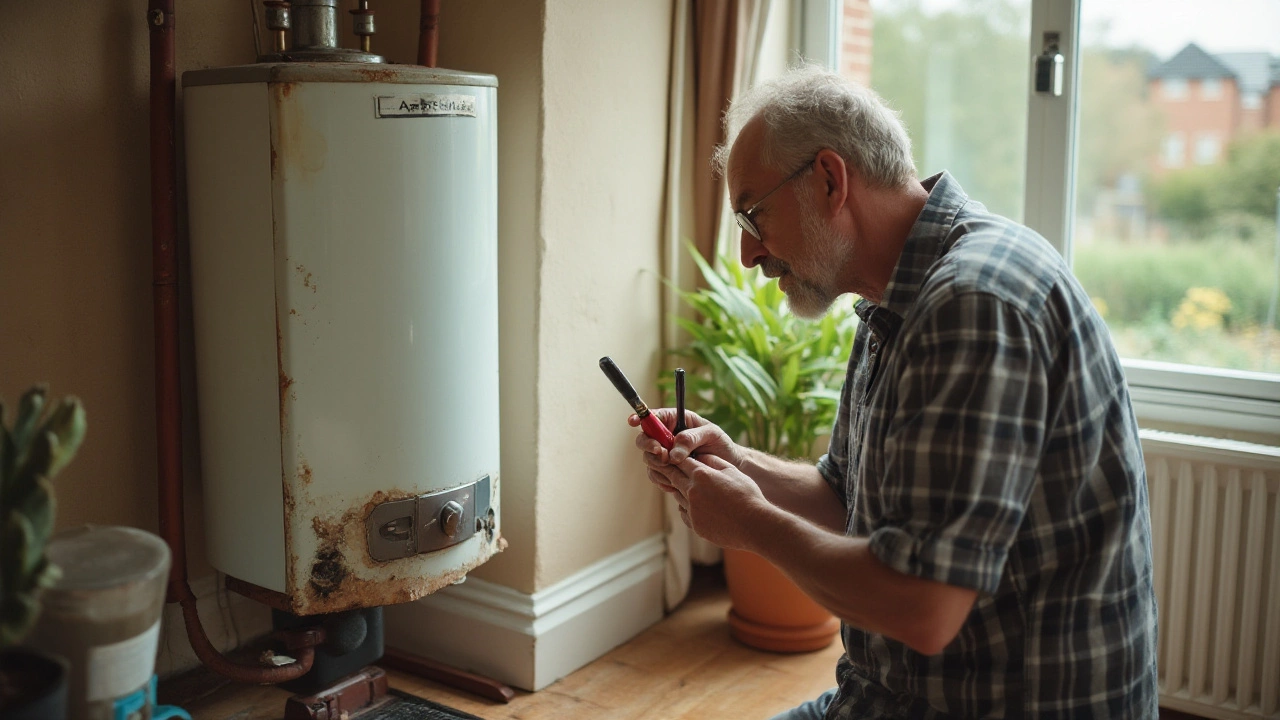
Water heaters are essential in our daily lives, yet they often fail more quickly than expected. Understanding the common causes of these failures can help in preventing them. In this article, we delve into why water heaters often break down prematurely and offer practical tips on extending their lifespan. Regular maintenance and awareness of common issues are key to ensuring your water heater runs efficiently for years.
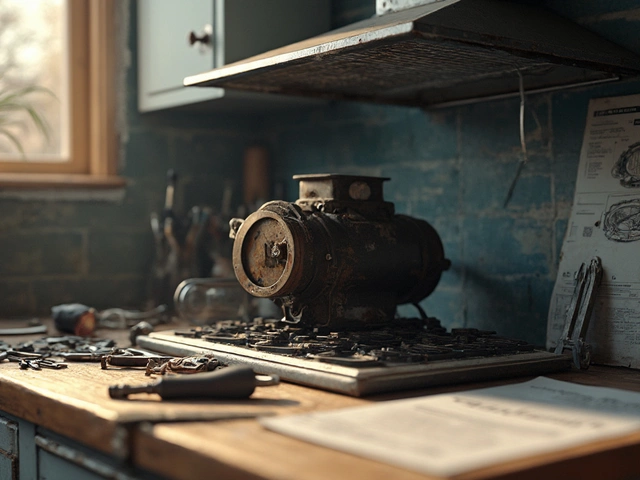
Thinking about swapping out the motor in your extractor fan? This article breaks down what's really involved, the red flags that mean the motor's cooked, and how to decide if you should tackle it yourself or call in a pro. It covers how to find the right replacement part, tips to avoid shocking mistakes, and why some fans just aren’t worth fixing. Whether your bathroom fan wheezes or your kitchen extractor hums like a jet, here’s how to handle a motor on its last legs.

Discover how long extractor fans last, signs of failure, and when to repair vs replace. Expert tips for extending lifespan and maintaining kitchen/bathroom ventilation.
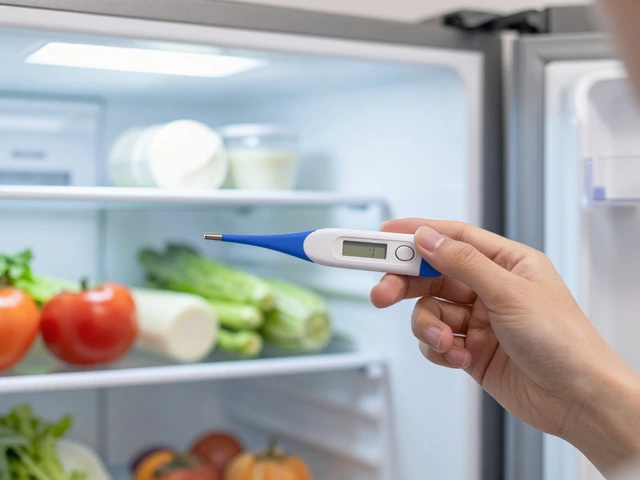
Is your fridge compressor dead? Learn how to diagnose compressor failure with simple heat, sound, and temperature tests. Save money on repairs by identifying the real issue.
Water heaters are essential in our daily lives, yet they often fail more quickly than expected. Understanding the common causes of these failures can help in preventing them. In this article, we delve into why water heaters often break down prematurely and offer practical tips on extending their lifespan. Regular maintenance and awareness of common issues are key to ensuring your water heater runs efficiently for years.

Ever wonder if switching your boiler on and off harms it? This article unpacks how boilers handle frequent power cycles, what really wears them out, and when switching off could save you cash or cause problems. Find out the best ways to run your boiler for both safety and savings. Practical tips and real facts—all in plain English. Avoid costly repairs by knowing how to treat your boiler right.