

Most of us try to fix a broken fridge, oven, or washing machine ourselves. That spirit saves money, but it can also lead to bigger problems if you go too far. Knowing the line between a simple DIY fix and a job for a qualified technician saves you time, money, and headaches.
Simple tasks like cleaning a dishwasher filter, resetting a water heater, or swapping a broken hob element usually need just a screwdriver and a bit of patience. For example, a cold oven often means a dead heating element that you can replace in under an hour with the right tools. Likewise, a kitchen extractor fan that makes less noise than before might just need a new motor or a cleaned blade.
These fixes share a few traits: they involve visible parts, require no gas or high‑voltage work, and have clear step‑by‑step guides. If you can locate the faulty part, see a clear diagram, and the repair doesn’t involve opening sealed systems, you’re probably safe to try it yourself.
When the problem is hidden behind the front panel or involves electricity, gas, or refrigerant, call a pro. A heat pump that stops blowing warm air, a boiler that keeps resetting, or a fridge that won’t cool but still lights up are typical red flags. These appliances contain sealed components and high‑pressure systems that need certified handling.
Other warning signs include strange noises that you can’t identify, repeated breakdowns after a quick fix, and any repair that requires you to disconnect the main power or gas supply. If you’re unsure about the safety steps, it’s best to let a qualified engineer take over.
Professional technicians also bring tools you likely don’t own, like pressure gauges for boilers or refrigerant recovery units for heat pumps. They can perform thorough diagnostics, spot early wear, and advise whether repair or replacement makes sense.
In short, if the repair involves the inner workings of a heating system, complex electronics, or sealed refrigerant loops, book professional help. It may cost a bit more upfront, but it prevents costly damage and keeps your home safe.
So next time an appliance acts up, check the symptom list, see if the fix is visible and safe, and decide if you’re comfortable handling it. When in doubt, a quick call to a trusted repair service can save you from bigger headaches down the road.

Extractor fans are crucial for maintaining fresh air and reducing humidity in various parts of a home. When these fans malfunction, it's important to know who to call for repairs. This article guides homeowners on how to find reliable extractor fan repair services. We'll look at why professional help is essential and what to consider when selecting a repair technician.
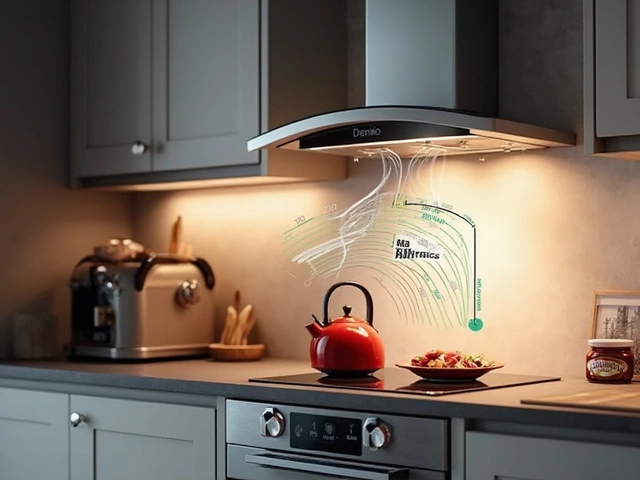
Choosing the right extractor fan can be a tricky task with so many options on the market. This guide breaks down key factors like fan types, sizes, noise levels, and energy efficiency to help you make an informed decision. We dive into tips on proper sizing and essential features to look for. Find maintenance tips and tricks to keep your fan running smoothly. Equip yourself with the knowledge you need to ensure a wise investment.
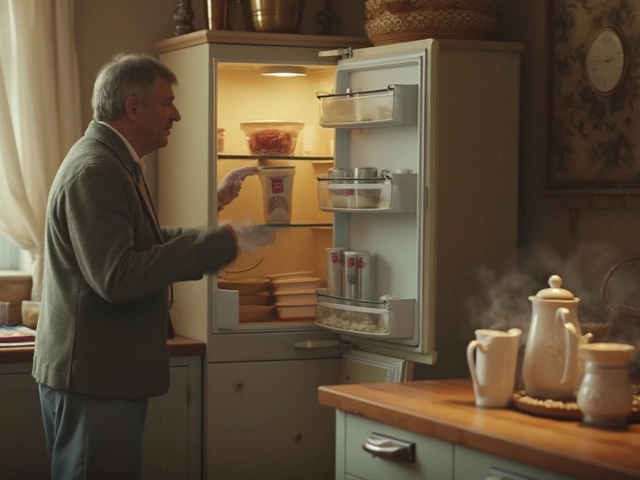
If you've ever found yourself wondering whether your freezer is on the fritz, you're not alone. Identifying the warning signs of a broken freezer is crucial in preventing food spoilage and costly repairs. This article delves into the common symptoms of a faulty freezer, how to troubleshoot these issues, and when to call a professional for help. Equipped with practical tips and insights, you'll be better prepared to ensure your frozen goods remain safe and your appliance functions efficiently.

Repairing an extractor fan can seem daunting, but with the right guidance and tools, it's a task that can be tackled with confidence. This article walks you through the essential steps of diagnosing common issues, the tools needed for basic repairs, and tips for maintaining your fan in top condition. Whether in a kitchen or bathroom, keeping your extractor fan functional ensures optimal ventilation and air quality. Learn when a repair is possible and when it might be time to seek professional help.

Stuck with a broken extractor fan and not sure what to do next? This article gives you practical ideas for improving air flow in your kitchen or bathroom when the fan is out of action. Learn about effective ways to keep humidity, smells, and condensation under control using simple tools and habits. Discover the pros and cons of each alternative solution so you can pick what fits your place best. Skip the stress and get the facts on dealing with bad ventilation the easy way.

Plumbers can install extractor fan ductwork, but only electricians can legally wire them. Learn who to call for safe, code-compliant installation and how to avoid costly mistakes.