

If you’ve ever forgotten to turn off your oven before heading to bed, you’re not alone. A hot oven left on overnight can turn a simple cooking mistake into a serious fire risk. Below we break down why this happens, what signs to watch for, and how you can protect your home without spending a fortune on repairs.
When an oven runs for hours on end, it can overheat internal components like the heating element, thermostat, and wiring. Overheating weakens connections and can cause sparks, especially if there’s any food residue or grease inside. Those sparks can ignite combustible materials nearby – think curtains, wooden cabinets, or even the oven’s own insulation.
Another hidden danger is the buildup of heat inside the oven cavity. If the temperature climbs past the design limit, the thermal fuse may fail, and the oven could keep heating with no way to shut down automatically. That’s a recipe for a house fire.
First, make it a habit to glance at the oven control panel before you turn in. If the timer is set, double‑check that the cooking mode matches what you intended – bake, broil, or warm. A tiny mistake like leaving the broil setting on can raise the temperature dramatically.
Second, clear any spills or leftover food. Grease can melt, drip onto heating elements, and ignite. A quick wipe with a damp cloth after each use reduces that risk.
Third, use a timer or smart plug that cuts power after a set period. Many modern ovens have built‑in shut‑off timers, but an external plug‑in timer adds an extra safety net.
Stay calm. If you notice a strange smell or hear clicking, open a window for ventilation and turn off the oven using the main control knob. If the oven won’t shut down, flip the circuit breaker for that kitchen circuit – that stops the power instantly.
After it’s off, let the oven cool completely before inspecting the interior. Look for melted plastic, blackened spots, or a burnt smell. Those are signs the heating element or wiring may have been damaged.
If you see any of the following, it’s time to call an expert:
Our local Bognor Regis Appliance Repair Experts can diagnose the issue quickly. They’ll check the element, thermostat, and wiring, and let you know if a simple part swap will fix it or if a full oven replacement is needed.
If you’re comfortable with basic tools, replacing a faulty oven element is often a straightforward job. You’ll need a screwdriver, a new element that matches your oven model, and a multimeter to confirm the old part is dead. First, unplug the oven, remove the back panel, disconnect the wires, slide out the old element, and slide in the new one. Tighten the screws, reconnect the wires, and test the oven. If you’re unsure, it’s safer to let a qualified electrician handle it – especially for electric ovens where live voltage is involved.
Remember, regular maintenance cuts down on overnight hazards. A quick clean‑out every few weeks, checking door seals for wear, and scheduling a professional service annually keep the oven running safely.
Bottom line: never assume the oven will turn itself off. A few simple habits – checking the control panel, clearing spills, using timers – can stop a night‑time fire before it starts. And if something feels off, call in the pros. Your home, your family, and your peace of mind are worth the extra effort.
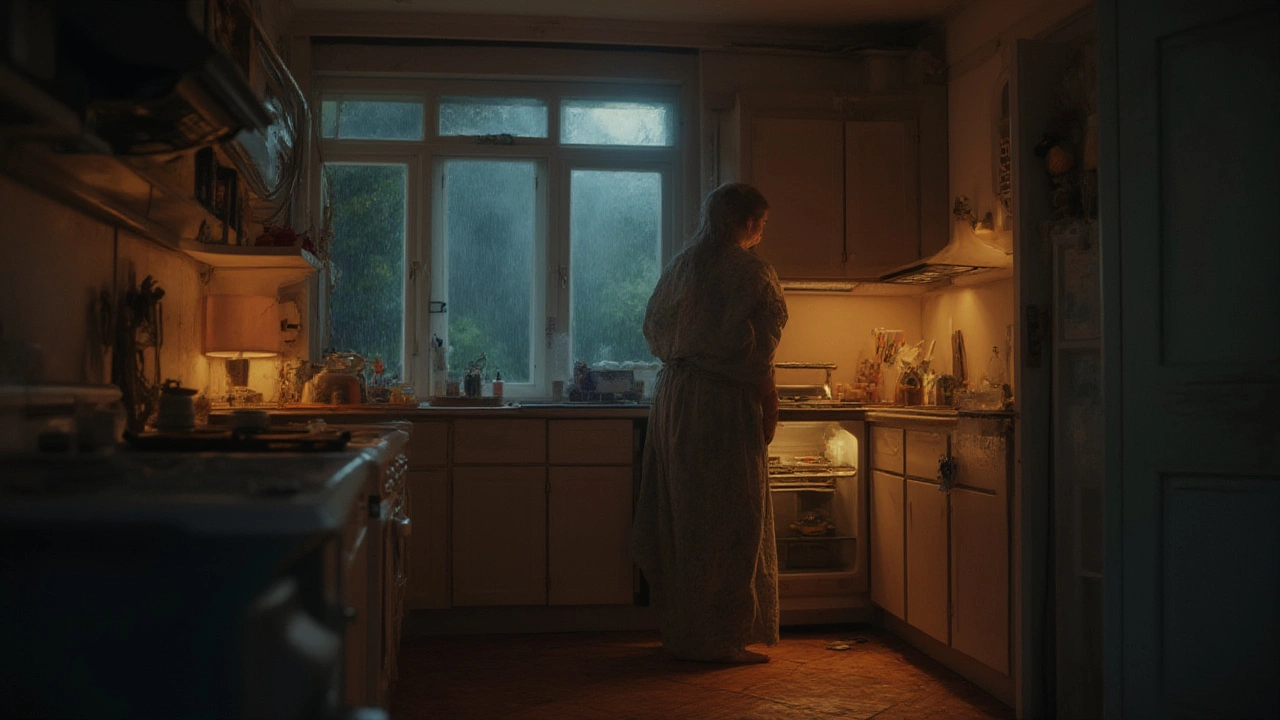
Leaving an electric oven on overnight sounds harmless, but it could spell real trouble. Learn the risks, facts, and safer options for your late-night cooking needs.

Considering replacing your electric oven on your own? Before you jump into action, it's crucial to understand the steps involved and the potential challenges you might face. From ensuring safety precautions to understanding the basic wiring, this article delves into what you need to know. We'll discuss not only the tools and skills required but also when it's better to call in a professional. By the end, you'll have a clearer picture of whether you should tackle this task yourself or seek expert help.

Got an appliance that isn’t working right? The way you describe it can make or break your service experience. This article breaks down how to explain what’s wrong with your appliance, what details really matter, and how to avoid confusion. Learn which features, model numbers, and problem signs technicians care about. Save time and frustration on your next repair call.
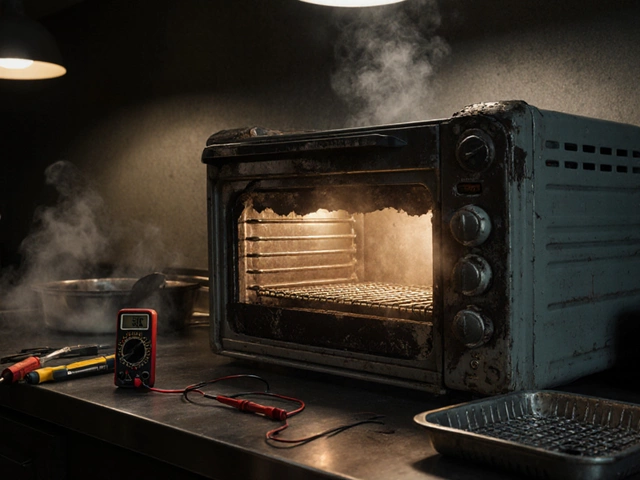
If your electric oven isn't heating, it's usually due to a broken element, faulty thermostat, or blown thermal fuse. Learn how to diagnose and fix the most common causes quickly and safely.
Learn how to diagnose a failing hot water heater thermostat with this expert guide. Spot the signs, use a multimeter for testing, and find out when to replace it.

Is it worth repairing a 7-year-old fridge freezer? Usually yes-if the repair is under £200 and the unit still runs efficiently. Learn what fixes make sense, which problems mean replacement, and how much you’ll save on energy bills.