

If your microwave is acting up, it’s usually trying to tell you something. Ignoring the clues can turn a cheap fix into a costly replacement. Below are the most common signs that your microwave needs attention, plus simple checks you can do before picking up the phone.
Uneven heating is the classic warning. If part of your plate stays cold while the rest is scorching, the magnetron – the part that creates microwaves – may be losing power. Test it by heating a cup of water for one minute. The water should be hot all the way through; any cool spots mean the magnetron or waveguide is compromised.
A microwave that won’t heat at all is another red flag. First, make sure the door latches properly. The safety switch stops the magnetron if the door isn’t sealed. If the door clicks shut but nothing happens, unplug the unit, wait 30 seconds, then plug it back in. A quick reset can clear a tripped internal fuse. If the microwave still stays cold, it’s time to call a pro.
Spots that don’t heat often point to a dirty waveguide cover. This thin metal strip sits inside the microwave and can get splattered with food residue. A soft brush or a damp cloth (no abrasive cleaners) can clean it safely. If cleaning doesn’t help, the waveguide may be cracked and needs replacement.
Buzzing, humming, or rattling noises are more than annoyances. A high‑pitched squeal usually means the turntable motor is wearing out. Remove the plate and see if the motor spins freely. If it feels stiff or the motor makes grinding sounds, replace it – it’s a cheap part compared to a full unit.
Clicking sounds when you press start can indicate a faulty relay or capacitor. These components control the power flow to the magnetron. While it’s tempting to keep using the microwave, a failing capacitor can cause the unit to overheat and become a fire risk.
Finally, watch the door seal. If the microwave door doesn’t close smoothly or you hear a puff of air when you shut it, the gasket may be cracked. A damaged seal leaks microwaves and can be dangerous. Most seals are replaceable and cost less than a new appliance.
When any of these signs pop up, don’t wait for a full breakdown. Simple troubleshooting can save you time and money, but knowing when a problem is beyond a DIY fix will keep your kitchen safe. If you’re unsure, Bognor Regis Appliance Repair Experts can diagnose and fix most microwave issues fast and affordably.
Bottom line: uneven heating, no heat, strange noises, and door problems are the big warning lights. A quick visual check, a brief test with water, and a little cleaning often solve the issue. If the problem persists, professional help is the safest route.

Figuring out if your microwave is on its last legs can save you a lot of hassle. There are various signs that might indicate it's time for a fix or a replacement. Understanding these symptoms can help maintain your kitchen's efficiency. Here’s what you need to watch for: strange noises, inconsistent heating, and more. Catch these early, and you might avoid a total breakdown.

Deciding whether to repair or replace a dishwasher can be challenging. This article explores factors like cost, lifespan, and environmental impact to help homeowners make an informed decision. Learn about common dishwasher issues and repair tips to prolong its life. Evaluate professional repair services versus DIY fixes and consider when it's time to let go and invest in a new appliance.

Deciding whether to fix or replace your oven in 2025? Learn real repair costs, when replacement saves money, safety risks of old ovens, and how to make the smart choice without overpaying.

Wondering if you should flush or just drain your water heater? This article breaks down the difference, when each method makes sense, and what actually helps your water heater last longer. You'll find practical advice, simple tips, and a few things even pros forget. Discover the truth about tank cleaning—without the jargon or confusion. Your next maintenance day just got a lot less stressful.

Wondering if you can change your kitchen extractor fan yourself? This guide covers steps, safety, tools, common mistakes, and installation tips for a smooth DIY experience.
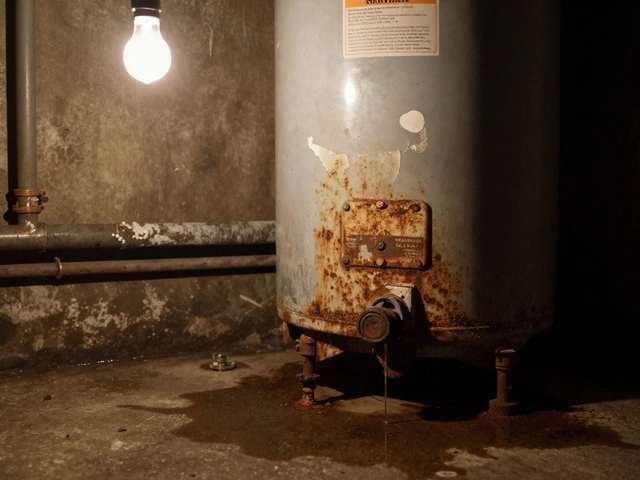
A 20-year-old water heater is likely inefficient, unsafe, and prone to sudden failure. Repairing it may seem cheaper, but replacement saves money, energy, and prevents costly water damage. Here’s what you need to know before deciding.