

Got a kitchen fan that’s getting sluggish or making weird noises? You’re not alone. Most homeowners ignore their extractor fan until it quits, then they face steamy cabinets and lingering cooking smells. The good news? A clean fan works like new, and you can fix many problems yourself without calling a pro.
Every time you fry, bake, or boil, grease and moisture settle on the fan blades and the vent duct. Over time that build‑up slows airflow, makes the motor work harder, and can even cause overheating. The result is higher electricity bills and a fan that smells like burnt food. A quick clean every few months restores performance, cuts noise, and extends the motor’s life by years.
1. Gather the basics. You’ll need a screwdriver (usually Phillips), a soft brush or old toothbrush, a drop cloth, a vacuum with a brush attachment, and a mild dish‑soap solution. If you plan to replace the fan, have the new unit on hand – most models are the same size as the old one.
2. Turn off power. Safety first: switch off the circuit breaker for the kitchen or unplug the fan if it has a plug. No one wants a surprise shock while scrubbing.
3. Remove the cover. Most extractor fans have a metal or plastic grill held by clips or screws. Pop the grill off, then set it on the drop cloth. If it’s greasy, soak it in warm, soapy water for a few minutes before scrubbing.
4. Clean the blades. Use the brush to loosen any crusty grease on the blades and the motor housing. A vacuum with a brush attachment can suck up loose debris before you wipe. Wipe everything down with the soapy cloth, then dry with a clean towel.
5. Check the motor. Look for dust buildup around the motor vents. A quick vacuum can clear that out. While you’re at it, spin the motor by hand – it should turn freely. If it feels gritty or stuck, the motor may need professional attention.
6. Reassemble. Put the grill back, secure any screws, and restore power. Run the fan on high for a minute to make sure airflow is smooth.
7. When to replace. If the fan still rattles, makes a humming sound, or won’t start after a thorough clean, it’s time for a new unit. Most kitchen fans are priced between £30‑£80 and can be swapped in under an hour.
8. Install the new fan. Align the new fan with the existing mounting holes, screw it in, reconnect any wiring (usually a simple three‑wire plug), and snap the grill back on. Turn the power on and test.
Regular care takes less than ten minutes a month, but the payoff is a fresher kitchen and a quieter home. If you ever feel unsure about the wiring, give a qualified electrician a call – it’s better to be safe than sorry.
Bottom line: keeping your kitchen fan clean and checking it often saves money, stops nasty smells, and keeps your cooking space comfortable. Grab a brush, follow these steps, and you’ll have a fan that works like the day it was installed.

Extractor fans are a lifesaver when it comes to clearing out steam, smoke, and nasty odors, but many people forget they actually need a little love now and then. This article cracks open the question of whether extractor fans need maintenance, and if so, what kind and how often. We'll cover quick tips, warning signs, and busted myths around fan care. Get the straightforward facts (and a few surprises) about keeping your fan working its best. No nonsense, just super practical info you can use right now.
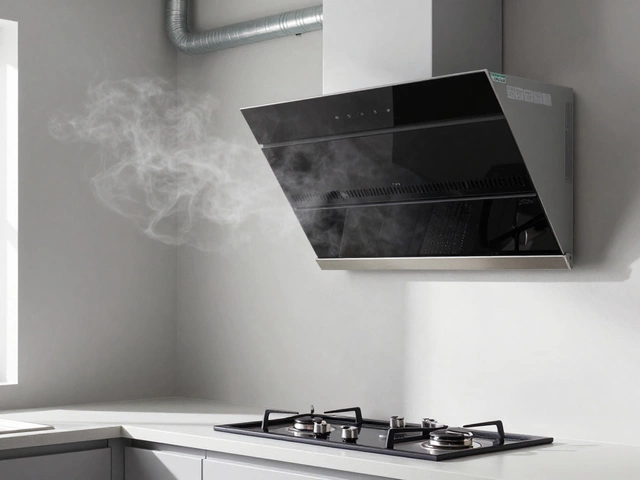
In the UK, you legally need an extractor fan in your kitchen if you have a gas hob or have done major renovations since 2006. Learn what the regulations require and why skipping it could cost you more than installing one.
Water heaters are essential fixtures in homes, providing warm water for daily needs. Understanding their lifespan can help homeowners plan for replacements and avoid unexpected cold showers. Depending on the type and maintenance, a water heater can typically last between 8 to 12 years. Regular inspections and upkeep can potentially add years to a water heater's lifespan.
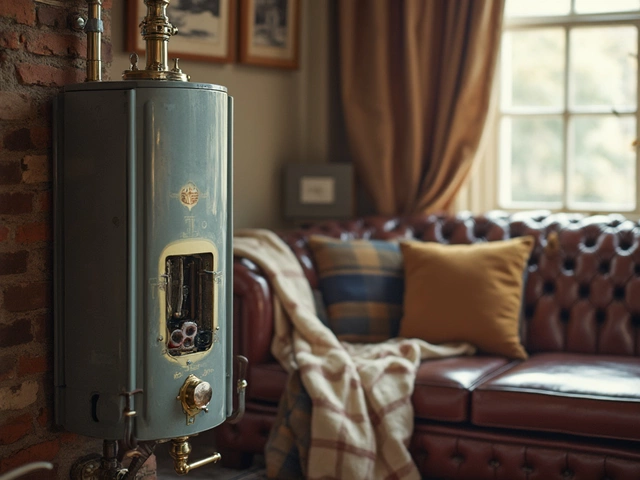
Water heaters don't last forever, so it’s important to know how long yours might stick around. Generally, these devices are built to last about 8 to 12 years, but several factors can influence their longevity. By understanding signs of wear, maintenance tricks, and when it's time to say goodbye to your old model, you can ensure hot showers won't become a thing of the past. Let's break down everything you need to know about your water heater's lifespan.

Navigating the decision between repairing or replacing a 10-year-old stove can be challenging. This article explores various factors including repair costs, the longevity of appliances, and energy efficiency to help homeowners make an informed decision. Additionally, it provides tips and insights on evaluating stove performance and when professional help is warranted. Readers will gain a comprehensive understanding of the practical steps they can take if they find themselves in a similar situation.
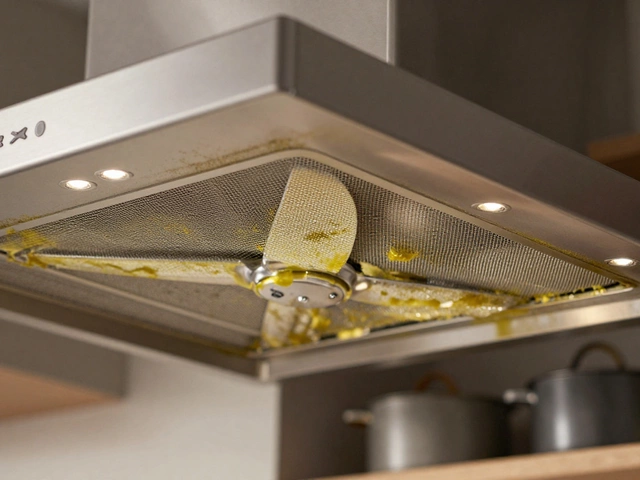
Discover if extractor fans wear out and learn their average lifespan. Identify signs of failure like noise and reduced airflow, and find out when to repair or replace your unit.