

Running a comfortable home means understanding a few simple HVAC basics. You don’t need a degree to keep a heat pump humming, a kitchen extractor working, or an oven heating properly. Below you’ll find short, useful advice you can try today without calling a pro.
First off, remember that a heat pump is just a big fan with a refrigerant loop. When it stops blowing warm air, the most common culprits are a dirty filter, low refrigerant, or a stuck fan motor. Grab the filter, clean or replace it, and you’ll often restore airflow in minutes.
If the unit runs but the house stays cold, check the outdoor unit for debris. Leaves and dust can choke the fan, causing overheating and shutdown. A quick hose‑down (when the power is off) can save you a service call.
For ground‑source systems, the indoor loop may lose pressure over time. Look for error codes on the control panel – they usually point to a sensor fault or low pressure warning. Most modern units let you reset the code by turning the power off for a minute.
When the pump won’t turn on at all, test the thermostat first. A dead battery or wrong setting will keep the system idle. Switching to “heat” mode and raising the temperature a few degrees often triggers a restart.
Extractor fans in kitchens and bathrooms are part of your HVAC comfort. If they’re noisy or barely moving air, the motor bearings might be worn. Unscrew the cover, clean any grease buildup, and lubricate the motor shaft with a few drops of light oil.
Fans also need proper wiring. Loose connections cause intermittent operation. Turn off the circuit, remove the fan housing, and tighten any exposed screws on the terminal block.
Electric ovens and hobs share a simple fault pattern: a blown heating element. Look for a dark spot or discolored coil. With the power off, remove the element, test it with a multimeter, and replace it if the reading is infinite.
Dishwashers and fridges often suffer from clogged filters. A blocked fridge drain will make the freezer frost over, while a dishwasher filter clogged with food debris reduces cleaning power. Clean these filters weekly – it’s a tiny chore that stops bigger breakdowns.
Finally, water heaters are the unsung heroes of HVAC comfort. Flushing them once a year removes sediment that can overheat the tank. Pull the drain plug, let the water run until clear, then close and refill. It takes ten minutes and cuts energy use.
Keeping HVAC components clean, checking filters, and listening for odd noises will catch most problems early. When a fix feels beyond a simple DIY step, calling a qualified local technician saves time and prevents damage. Use these quick checks as your first line of defense, and enjoy a home that stays warm in winter, cool in summer, and runs smoothly all year long.

Learn how to spot a malfunctioning heat pump, recognize warning signs early, and troubleshoot issues to keep your home comfortable and energy bills in check.

Replacing a boiler can seem like a daunting task, but knowing what to expect can make the process easier. Typically, boiler replacement involves several steps including removing the old unit, choosing the right size and type for your home, and ensuring proper installation. Skilled professionals often make the experience smoother by handling the technical aspects and minimizing disruption. Preparation and understanding of the process can help homeowners tackle this job with confidence.

A reliable heat pump is essential for maintaining comfort in your home. Some signs indicate that your heat pump might need replacing, such as increased energy bills, inconsistent temperatures, strange noises, old age, and frequent repairs. Understanding these warning signs can help you decide if it's time to invest in a new system.
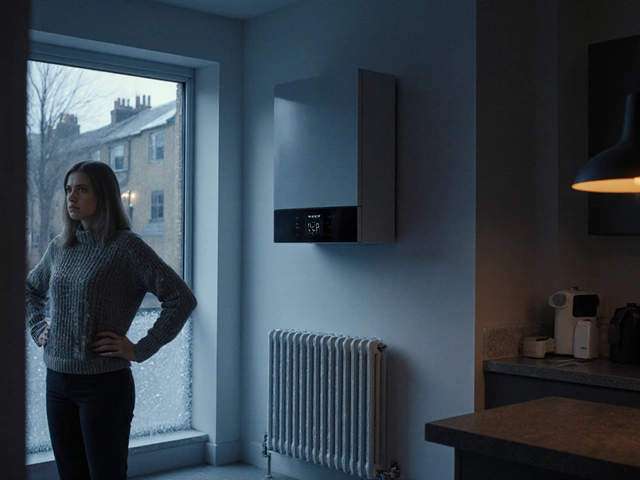
A practical UK guide that tells you exactly who to call when your boiler fails, how to verify a qualified engineer, and what steps to take before and after the repair.

Repairing a glass hob is an essential task for maintaining a functional and modern kitchen. The cost of fixing a glass hob can vary greatly depending on the damage's severity and the required repair type. This article delves into the various factors influencing repair costs, from crack treatment to replacement solutions. It also provides tips for maintenance to prolong the lifespan of your hob and prevent future damage.
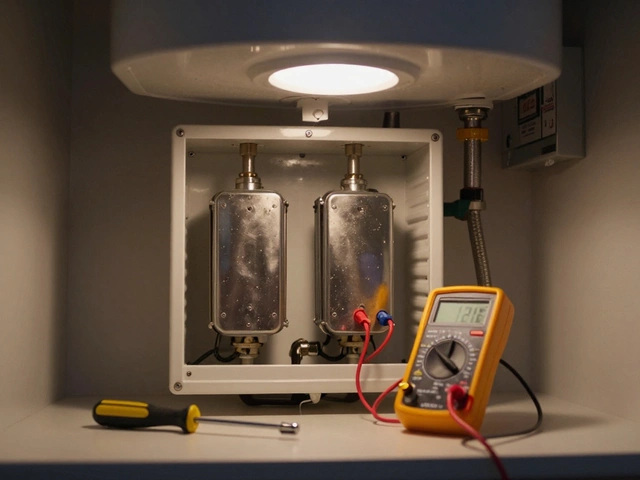
Fix a water heater producing cold water by checking the power, testing heating elements, adjusting the thermostat, flushing sediment, and replacing faulty parts like the dip tube or thermocouple. Most issues are simple DIY fixes.

Thinking of fixing your own water heater? Learn when DIY is safe, common problems, money-saving tips, and when to call a pro.

Wondering if you should throw out your seven-year-old oven or give it a second chance? This article breaks down when it makes sense to fix an older oven, what problems are easy or tough to repair, and how much money you might actually save. Get straight answers on costs, lifespan, and smart ways to keep your oven running. No fluff—just helpful facts and real advice you can use.