

If you turn on the tap and get a splash of cold instead of hot, you know the frustration. It happens more often than you think, and most of the time the fix is simple. Below we break down the usual suspects and give you a step‑by‑step guide to get the heat back without waiting for a technician.
The first thing to check is the power source. Electric water heaters need a steady 240‑volt supply; a tripped breaker or a loose connection can drop the temperature fast. For gas heaters, the pilot light might have gone out or the gas valve could be blocked.
Another common culprit is the thermostat. If it’s set too low or has drifted, the heater won’t fire long enough to raise the water temperature. Sediment buildup at the bottom of the tank also reduces efficiency – the heating element or burner can’t reach the water properly, so you end up with lukewarm runs.
Finally, look at the dip‑tube. This small pipe sends cold water to the bottom of the tank. If it’s cracked or broken, cold water mixes with the hot water directly, making every shower feel chilly.
Start by resetting the circuit breaker or replacing a blown fuse. If the heater is electric, turn the power off, wait a minute, and switch it back on. For gas models, locate the pilot light and follow the manufacturer’s instructions to relight it safely.
Next, locate the thermostat dial. Most heaters have a dial inside the access panel; set it to 120‑130°F (49‑54°C) and watch the water heat up over the next hour. If the temperature stays low, the thermostat might be faulty and will need replacement.
Flush the tank to clear sediment. Connect a garden hose to the drain valve, open a hot tap elsewhere in the house, and let the water run until it’s clear. This simple maintenance can boost performance and extend the heater’s life.
Inspect the dip‑tube if you’re comfortable removing the tank’s top cover. Look for cracks or signs of wear. If you spot damage, it’s best to let a qualified plumber handle the replacement – it’s a job that involves taking the tank out of service.
If none of these steps restore hot water, it’s time to call in experts. Bognor Regis Appliance Repair Experts can diagnose the exact problem, whether it’s a faulty heating element, a broken gas valve, or a tank that’s ready for replacement. We offer fast, reliable service so you’re not left shivering.
Remember, regular maintenance – checking the pressure‑relief valve, flushing the tank yearly, and testing the thermostat – can prevent most cold‑water surprises. Keep a note of when you last serviced your heater and set a reminder for the next check.
Don’t let a cold shower ruin your day. Follow the quick checks above, and if the issue sticks around, give us a call. Our certified technicians know Bognor Regis homes, and we’ll have your hot water flowing again in no time.

Frustrated by cold water instead of a hot shower? This guide breaks down the most common reasons your hot water is running cold, with simple fixes anyone can try at home.

A malfunctioning freezer can be a headache, particularly when it involves the compressor. Understanding whether it's worthwhile to replace a compressor requires consideration of several factors, including cost, age, and efficiency. This article breaks down the key elements for deciding if compressor replacement is the best route. With practical advice and insider tips, you'll gain clarity on making an informed decision for your appliance.
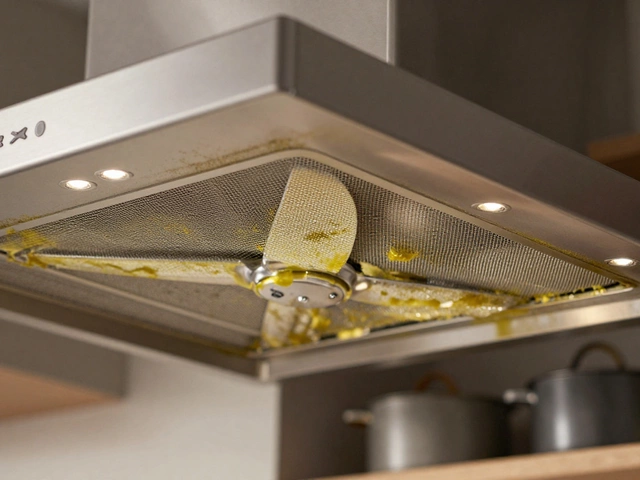
Discover if extractor fans wear out and learn their average lifespan. Identify signs of failure like noise and reduced airflow, and find out when to repair or replace your unit.
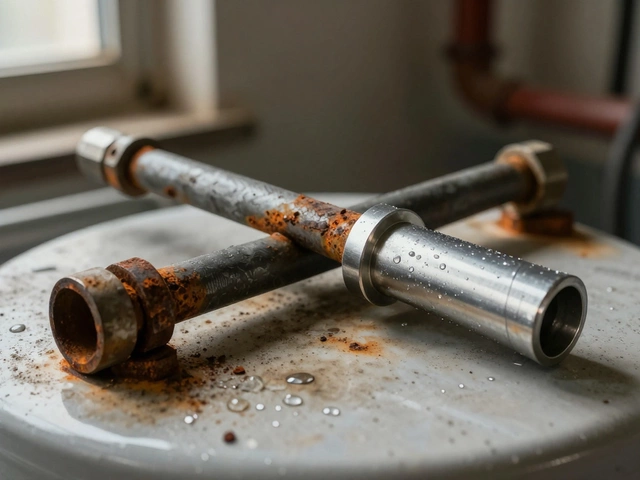
Replace your water heater's anode rod every 1-2 years in hard water areas to prevent tank corrosion. A simple £20 part can save you hundreds in repairs.
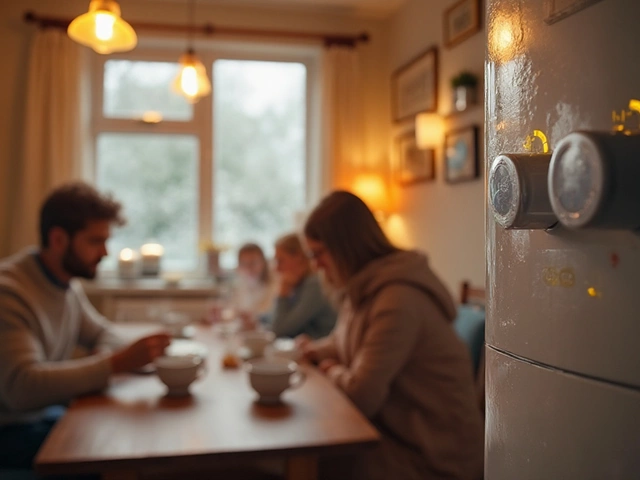
Dealing with a lack of hot water can be incredibly frustrating, especially during colder months. This article provides step-by-step guidance to identify and fix common issues with water heaters, ensuring you can tackle minor problems yourself before calling a professional. By understanding the functionality and common problems associated with water heaters, you can save time, money, and avoid inconvenient cold showers.
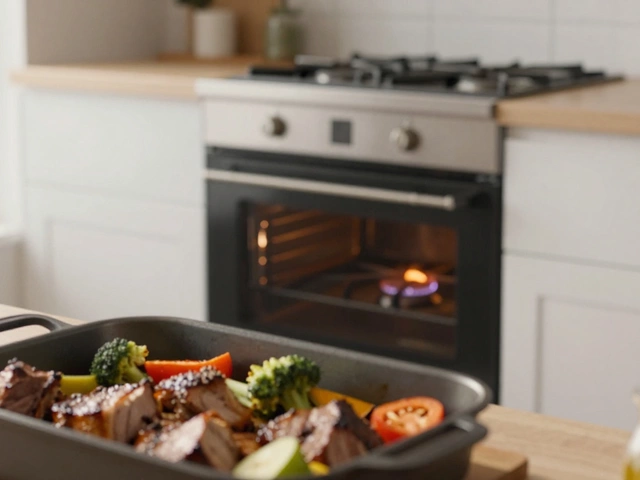
Can your gas oven be fixed? Learn which common parts like igniters and thermostats fail, when to DIY, and when to call a Gas Safe professional for safety.