

When dealing with hot water problems, issues that stop your taps or shower from delivering warm water. Also known as cold shower issues, they can spring from a faulty water heater, a misbehaving boiler or a simple reset button glitch. Understanding how these pieces interact saves you time, money, and endless shivering.
First up, the water heater, the core appliance that heats domestic water. Its key attributes include fuel type (electric or gas), heating element condition, and the high‑limit reset button. When the reset button trips, it signals overheating—a safety measure that, if ignored, can lead to repeated failures. Knowing when to press it safely and when to call a professional prevents damage and restores heat faster.
One major cause is a worn‑out heating element inside the water heater. Over time, mineral buildup reduces efficiency, making the water stay lukewarm. Another frequent culprit is a boiler fault, such as low pressure or a stuck thermostat, which stops the system from sending hot water up the pipes. Both scenarios often produce the same symptom: a cold shower. Spotting the difference early—like checking the pressure gauge on your boiler—helps you target the right fix.
Age plays a hidden role, too. A water heater that’s been running for 15‑20 years may struggle to meet modern demand, especially if it’s a low‑capacity model. Monitoring the lifespan of your heater, as highlighted in our guide on water heater lifespan, lets you plan a replacement before a complete breakdown. Meanwhile, regular flushing removes sediment that saps performance, a quick task that extends life and boosts heat output.
Temperature settings also matter. If the thermostat is set too low, you’ll get a lukewarm rinse even though the system is working. Adjusting the thermostat to a recommended 60 °C balances safety and comfort. For gas‑powered boilers, a faulty igniter can prevent the burner from firing, cutting off heat entirely. Replacing an igniter is usually cheaper than swapping the entire boiler, especially if the unit is still under warranty.
Electrical issues are another hidden factor. A tripped circuit breaker or a blown fuse can deaden the heater without any obvious sign. Checking your home’s fuse box and ensuring the heater’s dedicated circuit is intact can solve the problem in minutes. If you suspect an internal wiring fault, it’s safest to let a qualified technician handle it—electric shocks are no joke.
Water pressure is often overlooked. Low pressure can cause the boiler to shut down as a safety response, leaving the hot water tank starved of flow. Installing a pressure‑boosting pump or fixing a leak in the system restores the proper feed and gets the heat back on track. Conversely, excessively high pressure may trigger the safety valve, also cutting off heat to protect the system.
All these pieces—heater components, boiler health, reset mechanisms, and maintenance habits—interlock to determine whether you enjoy a steaming shower or a chilly rinse. Below, you’ll find a curated set of articles that dive deeper into each cause, walk you through DIY checks, explain when professional help is a must, and show you how to keep your hot water running smoothly for years to come.
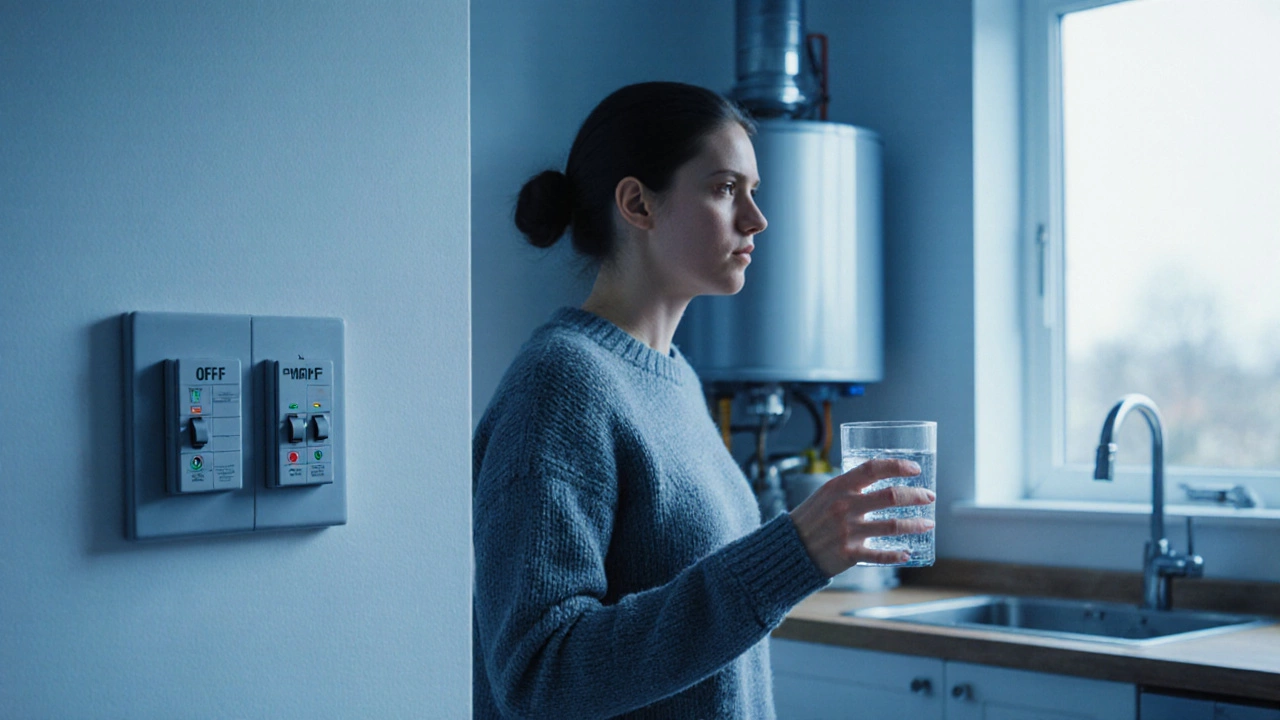
Learn fast DIY steps to diagnose and fix a non‑working water heater, plus safety tips, maintenance advice, and when to call a professional.

Discover practical solutions to restore hot water in your shower with ease. Learn about common problems affecting water heaters and the steps to troubleshoot each issue. This guide will walk you through changing settings, checking components, and knowing when to call a pro. Take control of your hot water system and enjoy a soothing shower experience once again. Ideal for homeowners facing frustrating lukewarm showers.
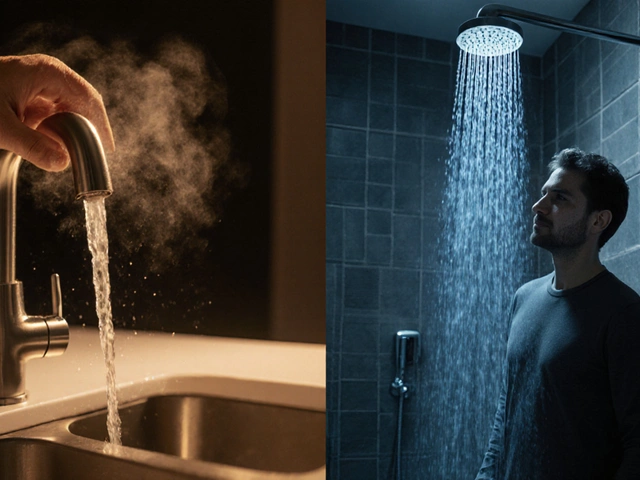
Discover why hot water reaches your sink but not the shower, learn the common causes, DIY fixes, and when to call a plumber for a reliable solution.

Ever wonder if switching your boiler on and off harms it? This article unpacks how boilers handle frequent power cycles, what really wears them out, and when switching off could save you cash or cause problems. Find out the best ways to run your boiler for both safety and savings. Practical tips and real facts—all in plain English. Avoid costly repairs by knowing how to treat your boiler right.
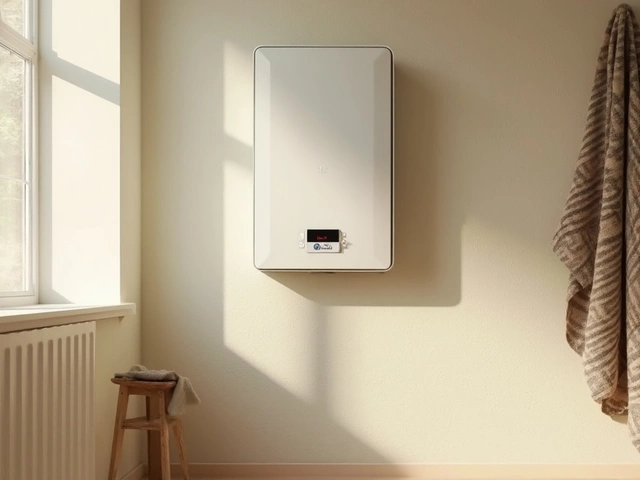
Troubles with your water heater might mean it needs a reset. Knowing when and how to reset it can prevent cold showers and unnecessary stress. This guide covers signs your water heater needs resetting, why it's important, and how to do it safely. Plus, learn some handy maintenance tips to keep it running smoothly.

Wondering if you can still use your oven with a broken heating element? This article breaks down what actually happens when the heating element fails and what your options are. Learn about safety concerns, possible workarounds, and when it’s smarter just to fix it instead of limping along. Get tips on recognizing a bad element and ideas for a cheap, fast repair. Find out what really works and what won’t, straight from someone who’s fixed more than a few ovens themselves.