

Nothing ruins a morning like a cold shower. Most hot water problems are easy to spot and can be fixed in under an hour. Below we walk through the top reasons your water isn’t heating, what you can safely do yourself, and the signs that it’s time to call a qualified repair service.
First, narrow down the source. If the tap is warm but never hot, the thermostat may be set too low or faulty. If there’s no hot water at all, the heating element or gas burner could have failed. A common culprit is a buildup of sediment in the tank – it blocks heat transfer and makes the water feel lukewarm.
Electrical water heaters also have a reset button on the thermostat. A tripped thermal cut‑off will stop heating until you press it back in. If the reset button trips repeatedly, it’s a warning sign of a deeper issue like a burnt element or a loose connection.
Start with the easy stuff. Turn off the power or gas supply, then check the thermostat setting – 120°F (49°C) is a good baseline. For electric models, locate the reset button (usually a red square) and press it. If the water heater is more than a year old, flush the tank to remove sediment. Connect a garden hose to the drain valve, open a hot tap nearby, and let the water run until it’s clear.
While you’re at it, inspect the heating element. Remove the access panel, test the element with a multimeter for continuity, and replace it if it reads infinite resistance. Replacing an element costs around £30‑£50 and takes under 30 minutes for most homeowners.
If you have a gas heater, look at the pilot light. A weak or flickering flame means the thermocouple may need cleaning or replacement. Cleaning the pilot assembly with a soft brush can restore a steady flame.
When these steps don’t bring back hot water, it’s time to call a professional. Persistent reset trips, strange noises, or leaks are signs of serious internal damage that require specialist tools.
Regular maintenance can prevent most hot water headaches. Schedule a yearly service, keep the tank set at a moderate temperature, and flush the system every 12‑18 months. Doing so extends the heater’s life and keeps your showers warm.
Bottom line: most hot water problems start with a simple fix – check the thermostat, reset the breaker, flush the tank, or replace a heating element. If you’ve tried these steps and still get cold water, don’t gamble on a DIY fix that could cause bigger damage. Call a certified appliance repair technician who can diagnose the issue safely and get your hot water back on track.
A puzzling situation arises when your shower lacks hot water while the sink heats perfectly fine. This article dives into possible reasons like different pipe routes, shower valve issues, and water heater capacity. It also offers practical solutions, such as checking the temperature settings and flushing the water heater to remove sediment. Understanding common plumbing malfunctions can lead to quick fixes without calling a professional.
Boiler repairs in the UK usually take 1 to 3 hours, but major issues like a cracked heat exchanger can take half a day. Learn what affects repair time and when replacement is smarter than fixing.
Deciding whether to fix an old stove? Learn how to weigh repair costs against buying a new unit, factoring in safety, energy bills, and part availability for a 15-year-old appliance.
Get to know the four appliances that no modern home can do without, why they matter, and how to keep them working smoothly. Discover easy maintenance tips, signs of trouble, and smart ways to save money on repairs. If you want your home to run without a hitch, paying attention to these basics is a must. This article makes home appliance care straightforward and stress-free. No fluff, just practical advice you can actually use.
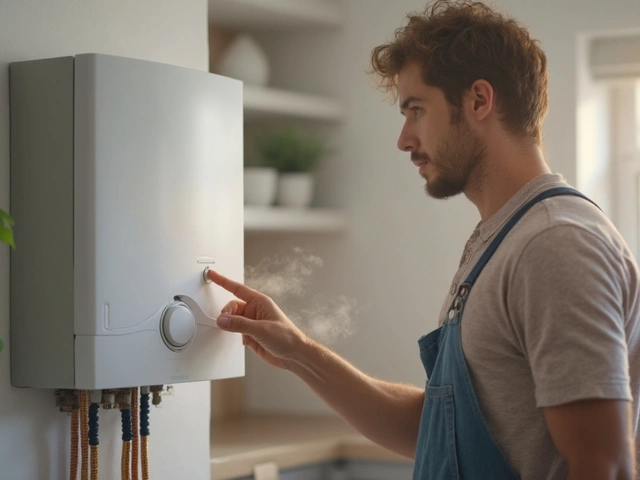
Dealing with a water heater that keeps tripping can be a headache—hot water one minute and a cold shower the next. This article breaks down the most common reasons for this irritating problem, giving you clear steps for figuring out if it’s a simple DIY fix or if you should call in a pro. You’ll get straight talk, not complicated jargon or long-winded explanations. Learn what to check, what parts usually fail, and when your water heater might just be on its last leg. Get the confidence to handle the problem and save yourself a ton of hassle.
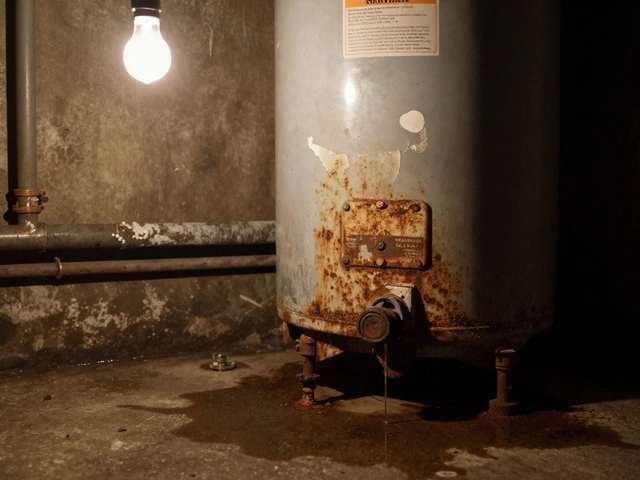
A 20-year-old water heater is likely inefficient, unsafe, and prone to sudden failure. Repairing it may seem cheaper, but replacement saves money, energy, and prevents costly water damage. Here’s what you need to know before deciding.