

Ever wonder why your fridge hums but never gets cold, or why the heat pump can’t seem to push warm air around the house? You’re not alone. Most of us run into these hiccups, but with a few simple homeowner tips you can tackle many problems yourself and save a call‑out fee.
First off, a little routine goes a long way. The majority of appliance failures start with ignored maintenance – a clogged filter, a dirty element, or a missed annual service. By adding a quick check‑list to your monthly chores you’ll spot trouble before it becomes an expensive repair.
Heat pumps are great for keeping the house comfortable, but they need a clean outdoor unit and a clear airflow path. If the heat pump isn’t blowing warm air, make sure the filter isn’t stuffed with dust and that the fan spins freely. A simple power‑cycle (turn it off for a few minutes, then back on) can reset internal sensors and often restores normal operation.
Electric ovens that won’t heat are usually down to a faulty heating element or a blown fuse. Before you call an engineer, unplug the oven, remove the element, and look for visible breaks or black spots. Swapping the element yourself is a straightforward job – just note the wattage and make sure the replacement matches.
Dishwashers that don’t clean properly often have a clogged spray arm or a dirty filter. Pull the lower rack out, take out the filter, rinse it under running water, and spin the spray arm to free any trapped debris.
For water heaters, a cold shower can mean a stuck thermostat or sediment build‑up. Flushing the tank once a year clears out mineral deposits that choke heating efficiency. Just attach a garden hose to the drain valve, open a hot‑water tap, and let the water run until it’s clear.
DIY is fantastic, but some jobs are best left to trained technicians. If you notice gas odors around a boiler, a persistent leak from a fridge, or an electrical spark when you touch a cooker, stop immediately and call a qualified repair service. Ignoring safety warnings can lead to bigger damage or even personal injury.
Another red flag is the age of the appliance. A washing machine that’s been running for more than 10‑12 years will start to lose efficiency, and parts become harder to find. If repair costs approach half the price of a new unit, it’s probably smarter to replace.
Lastly, keep track of service histories. A quick note in your phone about when you last serviced a heat pump or flushed a water heater helps you stay on schedule and gives a professional a clear picture of what’s been done.
Putting these homeowner tips into practice means fewer surprise breakdowns and more confidence in handling everyday hiccups. Grab a notebook, set a reminder for quarterly checks, and you’ll keep your appliances humming for years to come.

Boiler servicing is an essential aspect of home maintenance that ensures safety and efficiency. While it might seem tempting for homeowners to attempt servicing their own boilers, it's crucial to understand the complexities and risks involved. This article explores whether boiler maintenance can be a DIY project, providing key tips and insights. It offers guidance on what aspects are safe to handle on your own and when to call in a professional.

If you’re shopping for a new electric oven or worried about breakdowns, brand reliability matters big time. This article looks at which appliance brands have the fewest reported repairs, backed by recent repair data and real user experiences. You’ll see how different brands compare, which models tend to last, and when it makes sense to spend a little more upfront. Plus, you’ll pick up tips to keep your oven running smoothly, no matter which badge it wears. Everything’s packed in with real talk—no fluff to wade through.
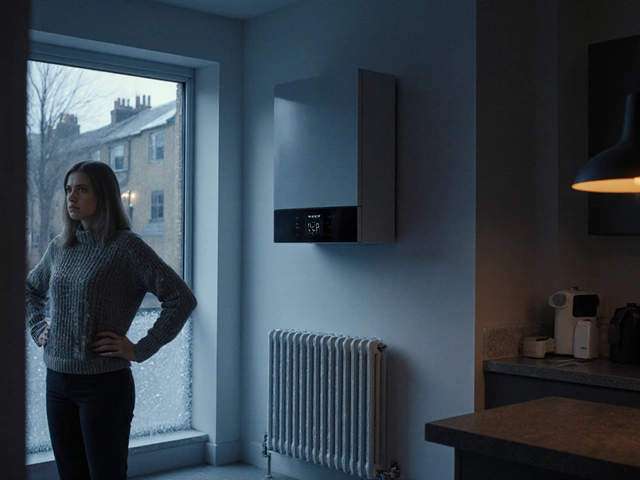
A practical UK guide that tells you exactly who to call when your boiler fails, how to verify a qualified engineer, and what steps to take before and after the repair.
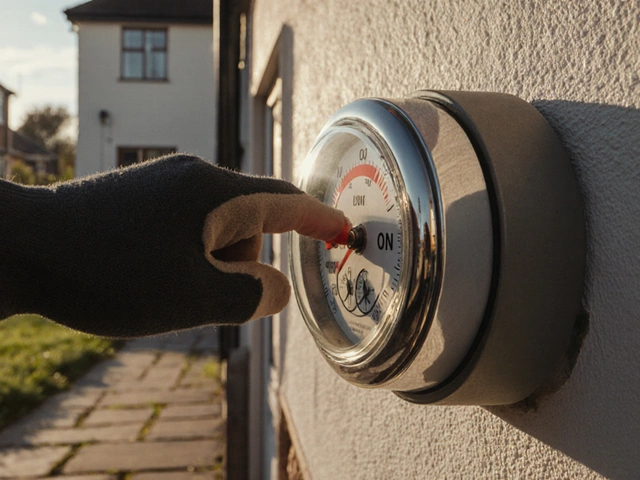
Learn why all your gas appliances might stop working, how to safely troubleshoot common issues, and when to call a Gas Safe engineer.
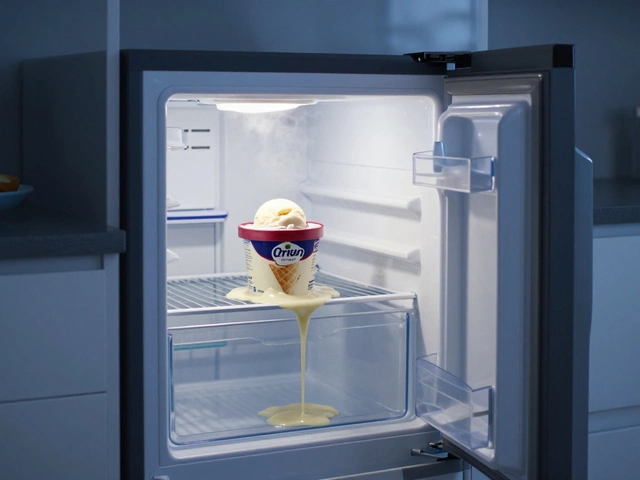
Discover the average life expectancy of a freezer, signs of failure, and whether to repair or replace. Learn practical tips to extend appliance lifespan and make smart financial decisions.
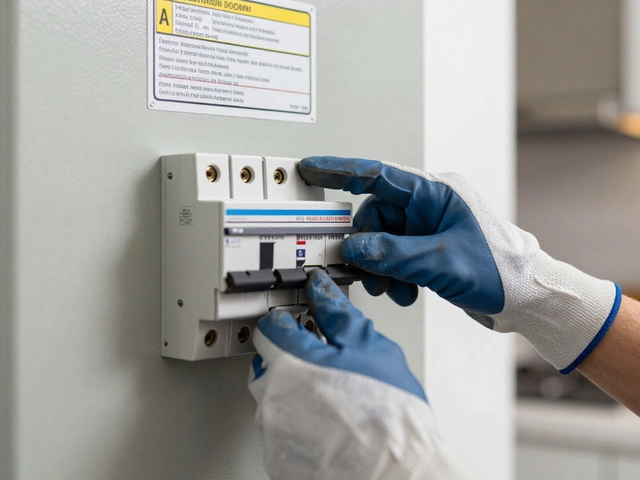
Learn how to safely fix a burnt electric hob by checking the element, testing with a multimeter, replacing parts, and preventing future damage. Avoid fire risks with these step-by-step tips.