

Got a cold shower, a drippy tap, or a noisy boiler? Most of these problems have a quick fix that you can do yourself. Below you’ll find the basics you need before you pick up the phone and call a plumber.
The first step is to see if the issue is something simple. Turn the water supply off at the main valve if you notice a burst pipe – that stops damage fast. For a water heater that’s not heating, check the thermostat setting and make sure the pilot light (if it’s a gas unit) is lit. If the heater is electric, look for a tripped breaker or a blown fuse.
Boilers often make noise because of trapped air. Bleeding the radiators can quiet things up and improve heat output. All you need is a radiator key, a small bucket, and a cloth. Open the valve just enough for a steady stream of water to escape, then close it.
Leaking taps usually come from worn washers or O‑rings. Shut off the water at the nearest stop‑tap, pull the faucet apart, and replace the rubber parts. You’ll often find the new parts in a small kit at any hardware store.
If your shower runs lukewarm, clean the showerhead. Lime deposits clog the tiny holes – soaking the head in vinegar for an hour clears it up. A clogged drain? Remove the visible hair, then pour a mixture of half a cup of baking soda followed by a cup of hot water. Let it sit, then flush with boiling water.
When a toilet won’t flush, the flapper may be stuck. Lift the tank lid, press down on the flapper, and watch if water flows. If not, replace the flapper; it’s cheap and simple. For a constantly running toilet, adjust the float arm or replace the fill valve.
Cold water in the kitchen sink? Check the supply valves under the sink – they might be partially closed. Open them fully and feel if the flow improves. If you still get cold water, the problem could be a blockage in the pipe that needs a plumber’s snake.
For a noisy pipe that bangs when you turn the water on, the pipes may be expanding and contracting. Install a water hammer arrestor – a small device that absorbs the shock. It’s a quick job that stops the thumps for good.
Remember, safety first. Turn off electricity before working on electric water heaters, and never work on gas appliances without proper ventilation. If you ever feel unsure, it’s better to call a qualified engineer.
These tips cover the most common home plumbing hiccups. Try the quick checks, do the easy repairs, and you’ll save time, money, and a lot of hassle. When the problem persists, a professional will have a clearer picture thanks to the groundwork you’ve already done.
Flushing your water heater is an essential maintenance task that can extend its lifespan and improve efficiency. As water heaters age, sediment and minerals build up, potentially leading to costly repairs or irreparable damage. Learn how often you should flush a ten-year-old water heater and whether it's worth considering professional help. Discover practical tips and insights for maintaining this critical home appliance effectively.
Neglecting boiler maintenance can lead to a series of unfortunate events, from reduced heating efficiency to costly breakdowns. A neglected boiler could become a safety hazard, potentially increasing the risk of carbon monoxide poisoning. Regular servicing can enhance your boiler’s longevity, ensuring a warm home environment during cold spells. Discover why these routine check-ups are more crucial than many realize and learn how they can save you from avoidable expenses.
Find out when repairing your dryer isn’t the smart move. Learn real signs, safety warnings, and how to choose between fixing and just getting a new one.
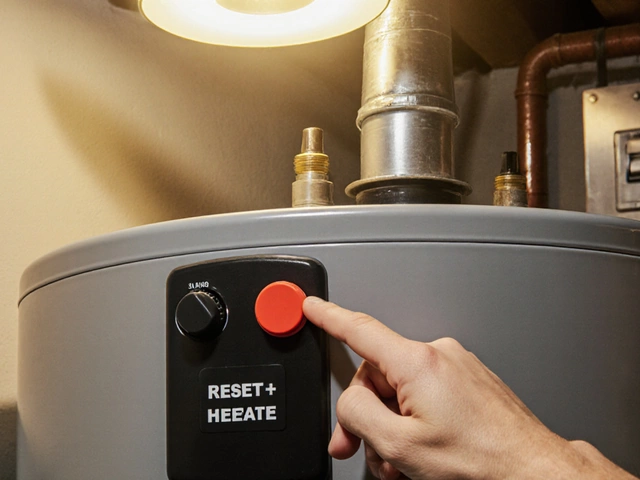
Learn how to safely reset both electric and gas hot water heaters, troubleshoot common issues, and know when to call a professional.
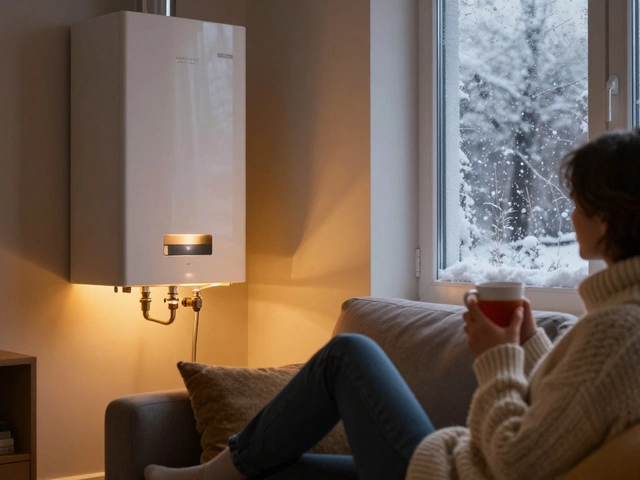
Find out exactly how much to get a boiler serviced in 2026. We break down average costs, what's included, and tips to avoid hidden fees.
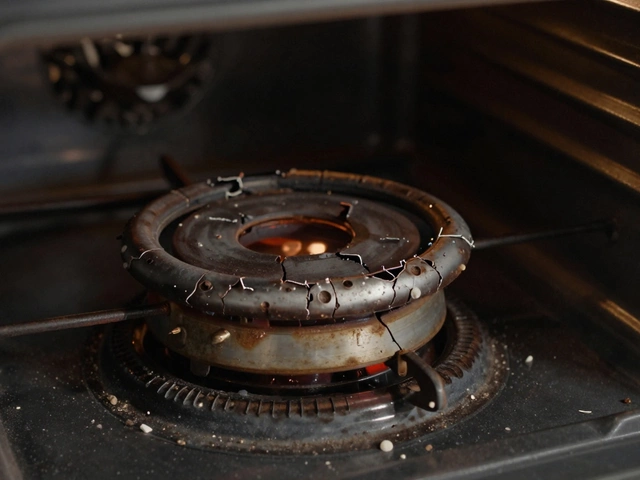
If your oven won't heat up, it's usually a simple fix-like a broken element, faulty thermostat, or blown fuse. Learn the most common causes and how to diagnose them yourself before calling a repair technician.