

Got a heating system that’s acting up? You’re not alone. Whether it’s a heat pump that won’t blow warm air, a boiler making strange noises, or a water heater that keeps resetting, the problems are usually fixable with a little know‑how. Below you’ll find straight‑forward advice that saves you a call to a tradesperson and keeps your home cozy.
Heat pumps are great for saving energy, but they need regular attention. A common issue is the unit not blowing warm air. First, check the thermostat setting – make sure it’s on heating mode and the temperature is higher than the room. Next, look at the air filter; a clogged filter limits airflow and forces the pump to work harder. A quick vacuum or a wash (if reusable) usually solves the problem.
If the pump won’t cool in summer mode, the refrigerant might be low or the outdoor coil could be dirty. Turn off the power, clean the coil with a garden hose (no pressure washer), and let it dry before restarting. For older units, the lifespan is a key factor. Air‑source pumps typically last 10‑15 years in the UK, while ground‑source models can reach 20 years if serviced annually. Regular maintenance – a professional check once a year and a filter clean every few months – adds years to that life.
When should you consider replacing a heat pump? If it’s more than 12 years old, efficiency has dropped below 300% (COP), or repair costs exceed one‑third of a new unit, replacement is smarter. The cold‑weather tip: if temperatures fall below -5°C for extended periods, a supplemental electric heater helps keep the pump from over‑working.
Boilers are the heart of most UK homes, and a few warning signs tell you when help is needed. Listen for a loud banging or whistling noise – that usually means limescale buildup or a failing pump. Look for water stains around the boiler and check the pressure gauge; pressure below 1 bar suggests a leak or the need to top up the system.
Cold showers? Start with the hot water cylinder. If the water heater is constantly resetting, the thermostat may be faulty, or the heating element could be glazed with mineral deposits. Before you call a plumber, turn off the power, let the unit cool, and remove the access panel. A quick visual inspection for corrosion or loose wires can save a call‑out.
Flushing the water heater once a year removes sediment that lowers efficiency. Fill the tank with fresh water, run a brief heating cycle, then drain it completely. This simple step can extend a heater’s life by several years and keep your bills down.
When you hear the boiler make a gurgling sound, it’s often trapped air in the radiators. Bleed them with a radiator key until water flows steadily. This improves heat distribution and reduces the workload on the boiler.
Remember, safety first. If you ever smell gas, see a leak, or notice the boiler switching off repeatedly, call a Gas Safe engineer right away. Trying to fix a gas‑related issue yourself can be dangerous.
By keeping an eye on filters, pressure, and regular flushing, most heating system hiccups can be tackled at home. When in doubt, a short service call is cheaper than waiting for a breakdown in the dead of winter.

Thinking about how long your boiler will keep working? This article explains the real lifespan of boilers, the factors that affect how long they last, and how to spot when yours might be on its last legs. You'll get practical tips for stretching out your boiler's life and advice about when it's smarter to repair or just replace. Stay warm and avoid surprise breakdowns with these straightforward facts.
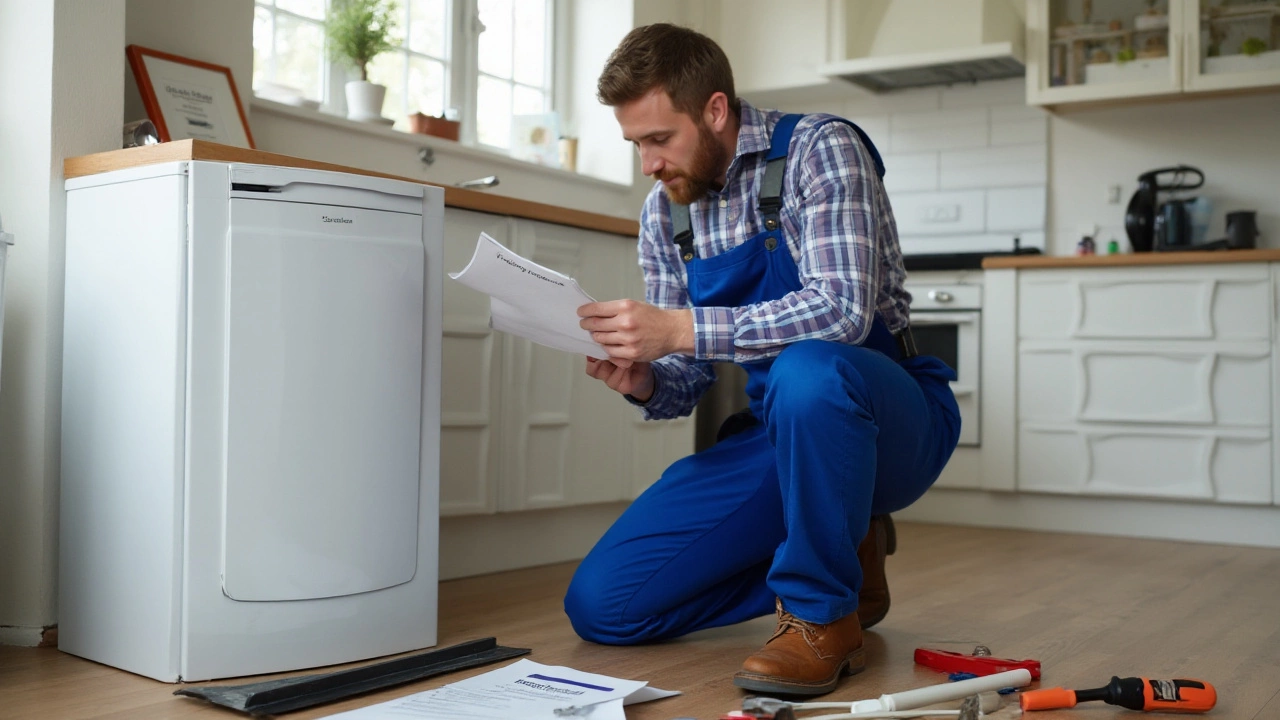
Plumbers are often the go-to professionals for a wide range of home repairs, but when it comes to boilers, it's essential to know their scope of work. This article delves into whether plumbers can actually handle boiler installations and replacements. You'll uncover what specific skills and certifications are required for boiler work, why hiring a specialized heating engineer may be recommended, and the potential risks of using underqualified technicians. Whether you're considering a new boiler or need an existing one serviced, understanding who is best suited for the task is crucial.
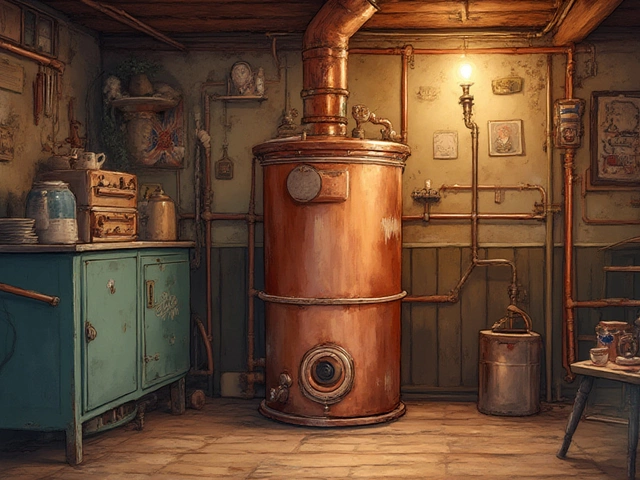
Is it possible for a hot water heater to last 30 years? Here’s a detailed look at what determines water heater longevity, what rare cases look like, and how you can extend your heater’s life with smart habits.

Discover if electric hobs can be fixed, cost breakdowns, DIY steps, safety tips, and when to replace. A practical guide for UK homeowners.

Thinking about ditching your gas appliances? This article breaks down the real pros and cons of keeping or replacing things like your gas stove, water heater, or furnace. Learn how safety, repair costs, and future-proofing your home play into this decision. There are lots of myths out there and we’ll sort out the facts. You'll also pick up practical tips on making the best choice for your budget and home. Let's cut through the noise and find out what really matters for your gas appliances.
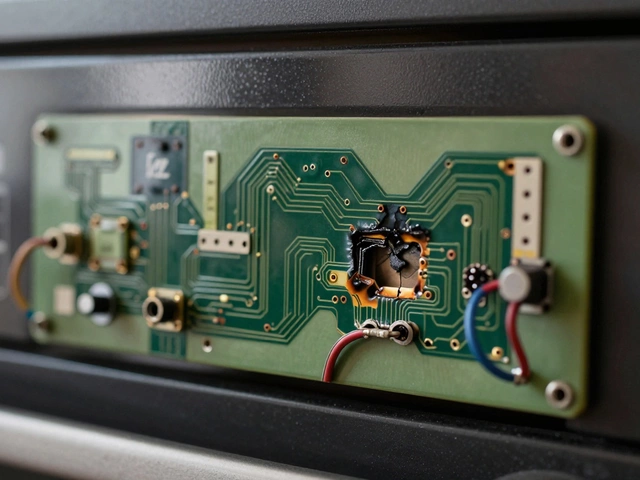
Learn the clear signs your electric oven's control board is failing, how to test it, what to check first, and whether to repair or replace. Save time and money with practical, real-world advice.
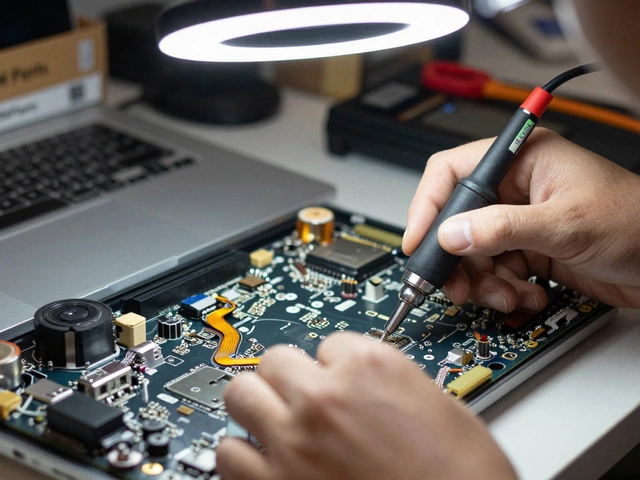
Discover why laptop repair costs have skyrocketed. From genuine parts pricing to skilled labor rates, we break down the real expenses behind every quote.