

If your fridge is humming but the food is still warm, you’re probably wondering what went wrong. The good news is most cooling issues have an easy fix, and you don’t always need to call a technician. Below you’ll find the most common reasons a fridge stops cooling, quick DIY checks, and clear signs when a pro should step in.
First, understand what makes a fridge cold. A compressor pushes refrigerant through coils, while a thermostat tells the system when to turn on. If any part of that chain fails, the temperature rises. The most frequent culprits are:
These issues are easy to spot with a few quick checks, saving you time and a call‑out fee.
1. Clean the condenser coils. Unplug the fridge, pull it away from the wall, and use a vacuum brush or a coil‑cleaning brush to remove dust. A clean coil can improve cooling by up to 30%.
2. Check the door seal. Close a dollar bill inside the door. If it slides out easily, the gasket is worn. Replacing a gasket costs less than £30 and restores a tight seal.
3. Clear the vents. Look inside the fridge and freezer for any ice blockage or items that block the vents. Let frozen piles melt, then rearrange food so air can move freely.
4. Test the fan. Listen for a soft whirring sound when the door opens. If you hear nothing, the fan may be stuck or broken. A simple fan replacement is often under £50.
5. Reset the thermostat. Locate the control dial or digital panel, turn it to the coolest setting, wait a few minutes, then set it back to your usual temperature. This can kick‑start the compressor.
If after these steps the fridge is still warm, it’s time to call in a professional. A trained technician can check the compressor, refrigerant levels, and electrical components safely.
When you reach out to a repair service, mention the steps you’ve already taken. That lets them focus on the real problem and may reduce the labour cost. At Bognor Regis Appliance Repair Experts we love a good DIY story, but we also know when a job needs a specialist’s touch.
Keeping a fridge in top shape is mostly about regular maintenance. Wipe the coils every six months, clean the door gasket, and don’t overload the shelves. A little attention now prevents a big, costly breakdown later.
Got a fridge that still won’t cool after trying these fixes? Give us a call. We’ll diagnose the issue fast and get your food back to safe temperatures without any hassle.
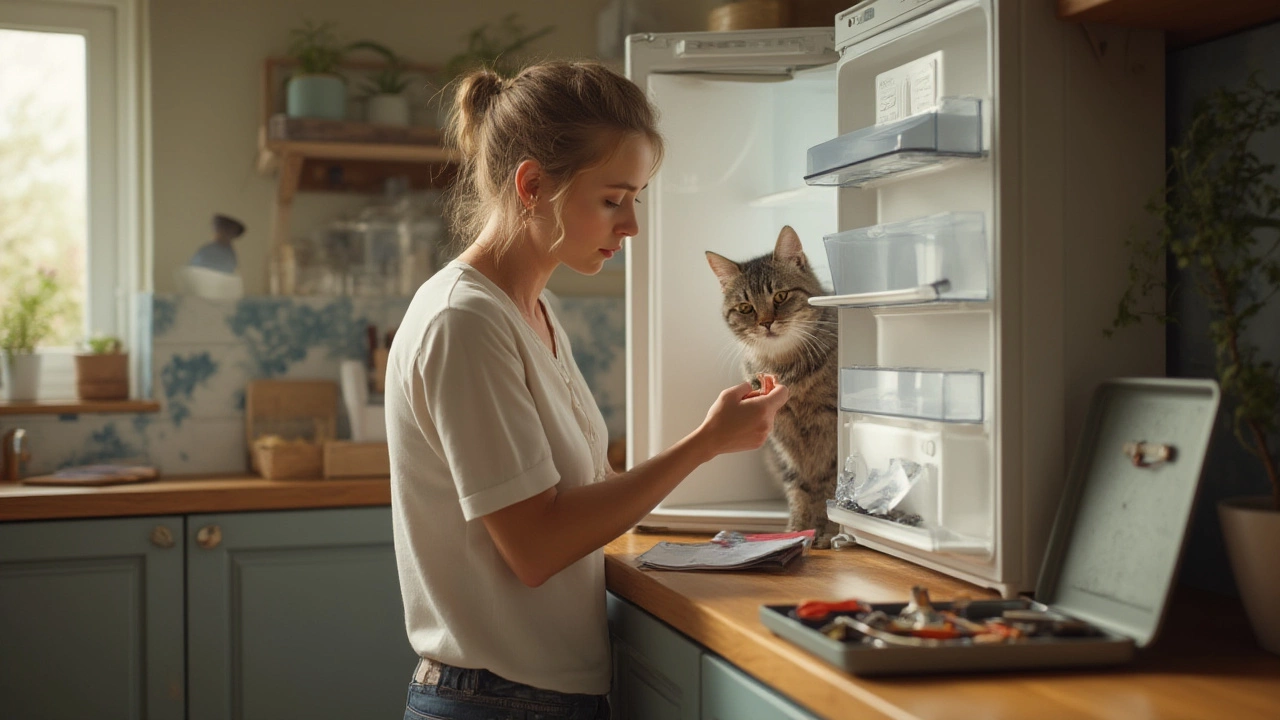
A practical guide for diagnosing common refrigerator problems, spotting signs of faults, and fixing them at home with tips and real-world facts.

Is your heat pump running but not cooling your home? Learn the real causes, expert troubleshooting tips, and practical solutions to get your comfort back.
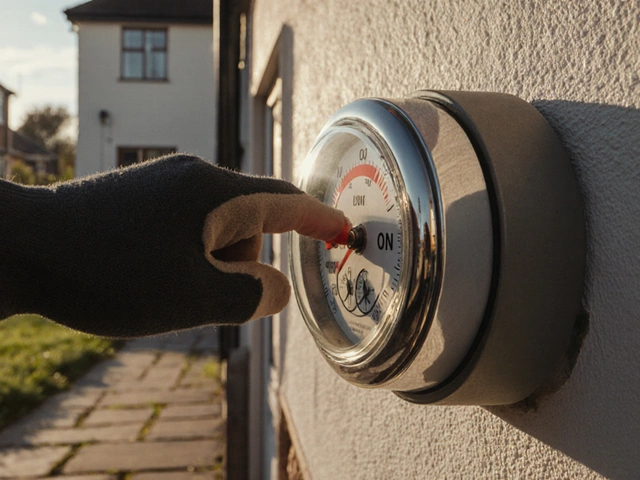
Learn why all your gas appliances might stop working, how to safely troubleshoot common issues, and when to call a Gas Safe engineer.
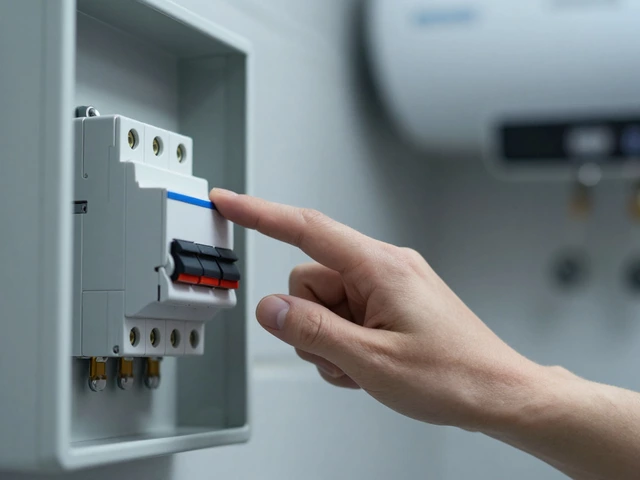
Struggling with a broken hot water heater? Learn how to troubleshoot common issues like tripped breakers, thermostat faults, and leaks before calling an expensive repair service.
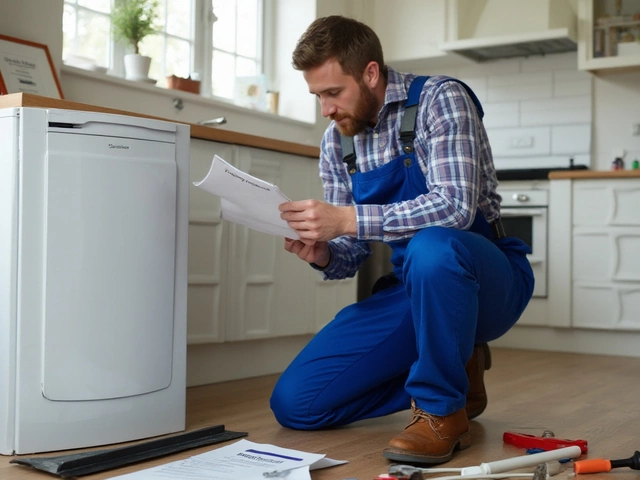
Plumbers are often the go-to professionals for a wide range of home repairs, but when it comes to boilers, it's essential to know their scope of work. This article delves into whether plumbers can actually handle boiler installations and replacements. You'll uncover what specific skills and certifications are required for boiler work, why hiring a specialized heating engineer may be recommended, and the potential risks of using underqualified technicians. Whether you're considering a new boiler or need an existing one serviced, understanding who is best suited for the task is crucial.
Discover how to ensure your water heater is in proper working condition with this detailed guide. Learn to identify signs of malfunction, perform essential maintenance tasks, and understand common issues that may arise. Whether it's electric or gas, having a reliable water heater is crucial for every home. Keep your heater running smoothly with practical and safety-focused advice.