

If your oven is acting up, you’re probably wondering why it won’t heat, why it’s making strange noises, or why the timer won’t set. The good news is that many issues have easy fixes you can try at home before you call a professional. Below we’ll walk through the most common reasons an oven stops working, the quick checks you can do yourself, and the signs that it’s time to bring in Bognor Regis Appliance Repair Experts.
First off, a cold oven usually means one of three things: a failed heating element, a busted thermostat, or a problem with the power supply. If you have an electric oven, the heating element is a metal coil that glows red when it’s working. Over time it can crack or burn out, and the oven will stay cool no matter what you set on the dial.
Gas ovens rely on a spark igniter and a safety valve. If the igniter can’t spark, the gas won’t light and you won’t get any heat. Sometimes the igniter just needs a little cleaning, other times it’s cracked and must be replaced.
Don’t forget the simple stuff: a tripped circuit breaker or a loose plug can make the whole oven dead. Check the outlet with another appliance, or look at your fuse box for any breakers that have flipped.
1. Safety first. Unplug the oven or turn off the gas supply before you start any inspection.
2. Inspect the heating element. Open the oven door, locate the coil at the bottom (or top for some models), and look for visible breaks or black spots. If it looks damaged, you’ll need a replacement element.
3. Test the thermostat. Most ovens have a temperature sensor – a thin metal rod inside the cavity. If it’s loose or covered in grime, clean it gently with a soft brush. A faulty sensor will usually cause the oven to stay too cool or overheat.
4. Check the igniter (gas ovens). When you turn the oven on, you should see a faint clicking sound followed by a glow. No spark? The igniter may need cleaning or swapping out.
5. Run a quick power check. Plug a lamp into the same socket. If the lamp works, the outlet is fine. If not, reset the breaker or replace the fuse.
If any of these steps point to a broken part, you can order the part online and replace it yourself if you’re comfortable with basic DIY. However, working with gas or high‑voltage components can be risky. When in doubt, call a qualified technician.
At Bognor Regis Appliance Repair Experts we specialize in oven repairs. Our technicians can diagnose the issue fast, source the right parts, and have your oven back to baking in no time. We offer same‑day service for most common faults, and our rates are transparent – you’ll know exactly what you’re paying for before we start.
Remember, a faulty oven doesn’t have to ruin your dinner plans. Try the simple checks above, and if the problem persists, give us a call. We’ll get your oven heating again, so you can get back to cooking the meals you love.
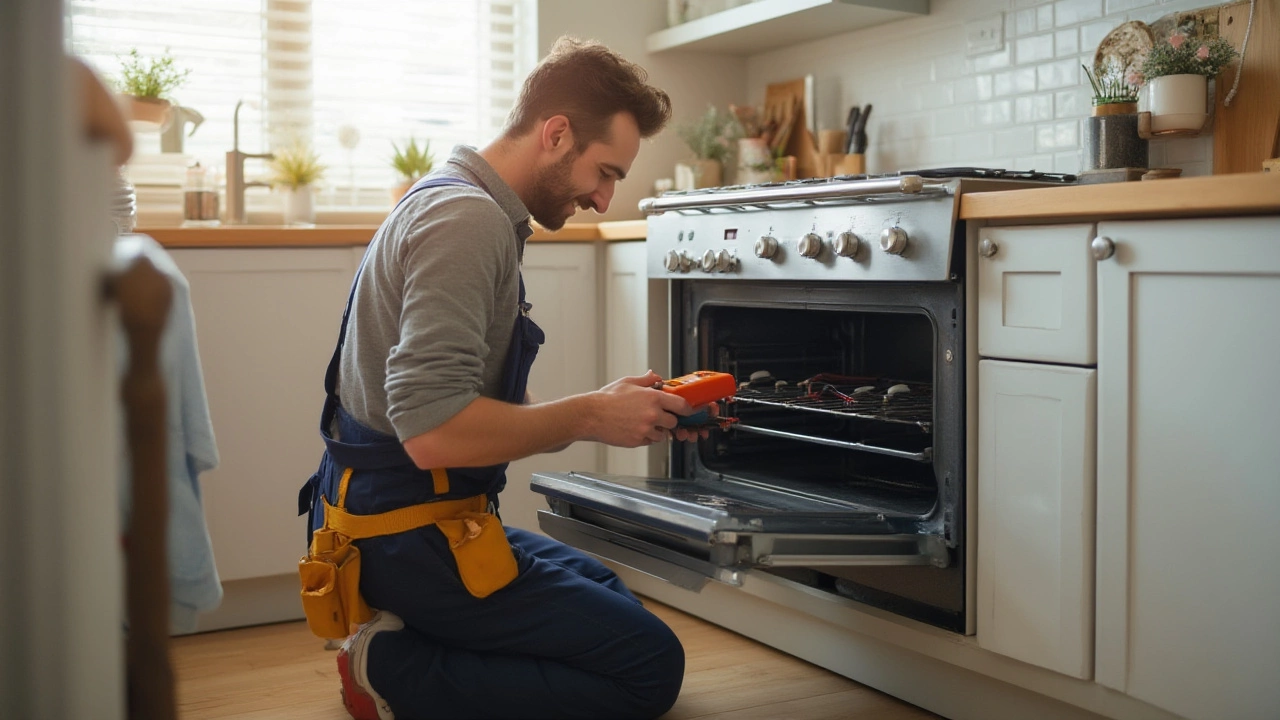
Wondering if an electrician can fix your electric oven? Get the facts, tips, and expert advice you need on diagnosing and repairing broken ovens.
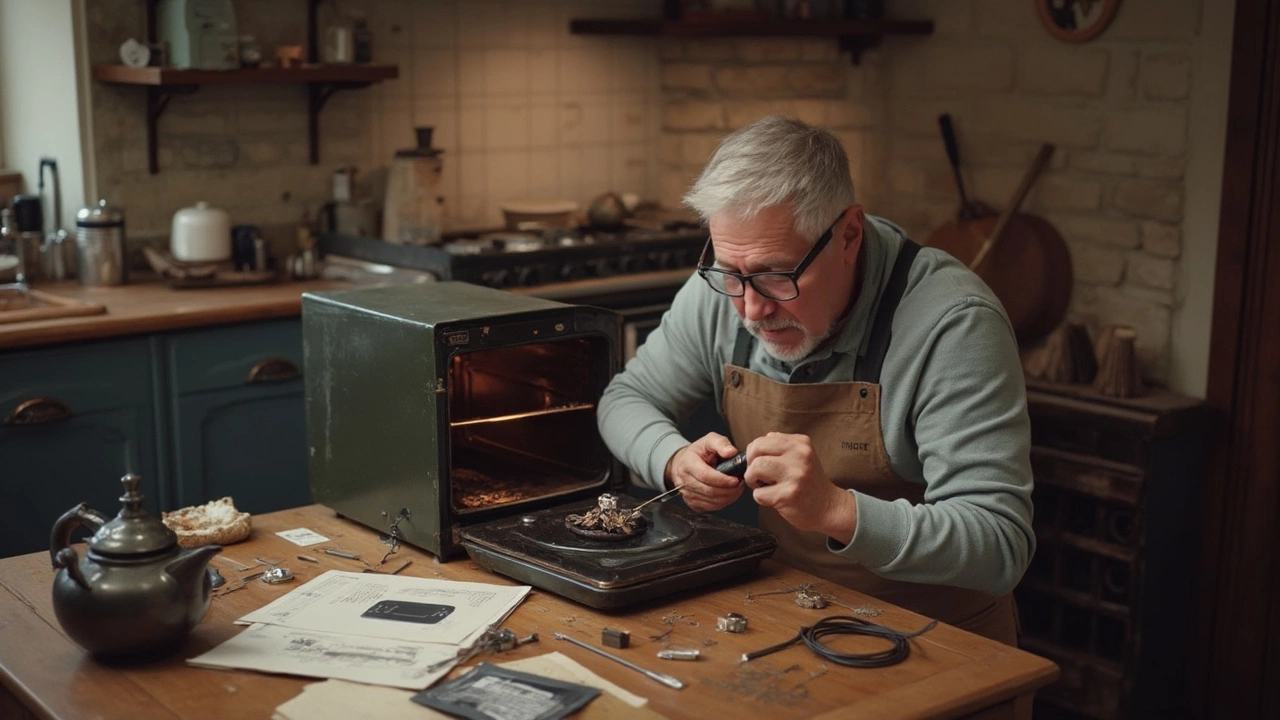
Oven troubles can throw a wrench in your meal plans. From a faulty heating element to problematic door hinges, diagnosing oven issues doesn't have to be daunting. This guide helps you identify and address common electric oven problems. Learn when a DIY fix is safe and when it's time to consult a professional. Simple steps and practical tips get you on your way to a working oven.

An electric oven is a kitchen essential that brings culinary magic to life, but sometimes it can start showing signs of wear and malfunction. If you notice uneven cooking, strange noises, or the oven simply won't heat, these could be indicators of a problem needing repair. Knowing the common signs can help you determine if troubleshooting is possible or if it's time to call a professional. From the thermostat issues to faulty heating elements, this guide provides insights into recognizing and addressing potential oven problems.
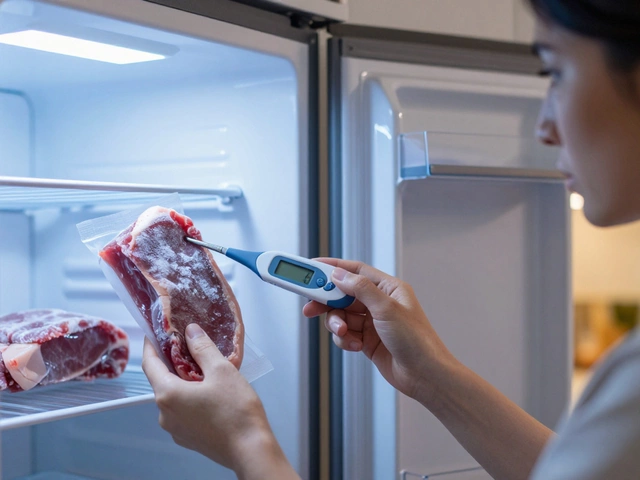
Find out if your food is safe after a freezer breakdown. Learn how long food stays cold, what to keep vs. toss, and essential steps to prevent waste and illness.

Dryers are workhorses in the laundry room, but they aren't immune to problems. This article breaks down the most common issues found in tumble dryers, from weird noises to clothes that just won't get dry. You'll find straightforward explanations for why these problems happen and learn some practical tips to fix or prevent them. Plus, get the inside scoop on when you should call for a pro. Save money, avoid headaches, and keep your dryer running smoother for longer.
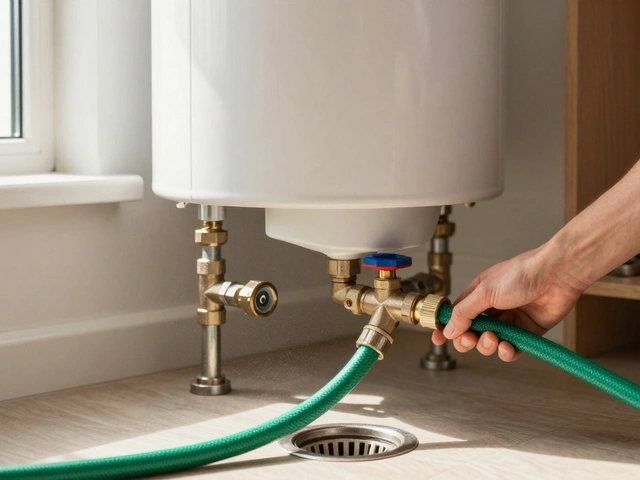
Learn essential water heater maintenance tasks like flushing sediment, checking the anode rod, and testing safety valves to extend lifespan and improve efficiency.
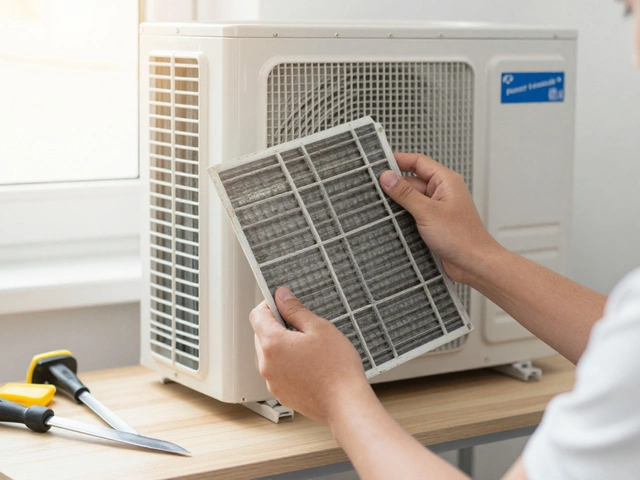
You can fix some heat pump issues yourself - like dirty filters or tripped breakers - but refrigerant leaks, compressor failures, and electrical problems require a professional. Know the limits before you try a DIY repair.
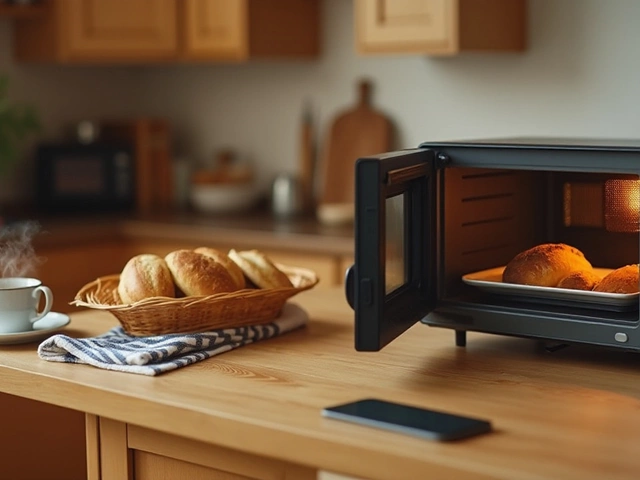
Microwave ovens are essential appliances due to their convenience in heating food. However, they can encounter several problems over time. The most frequent cause of microwave failure is a faulty door switch. This article discusses common microwave problems, how to identify them, and offers practical guidance on how to handle these issues.