

If your dishwasher stopped cleaning or started leaking, you don’t have to panic or rush to a repair shop. Most everyday hiccups have an easy fix you can handle in under an hour. Let’s walk through the most common problems and what you need to check before you call a professional.
Dishwasher won’t turn on. First, make sure the unit is plugged in and the outlet works – test it with a lamp or a voltage tester. Check the door latch; most models won’t start if the door isn’t fully closed. If the latch looks fine, locate the thermal fuse on the control panel and test it with a multimeter. A blown fuse is cheap to replace and usually solves the power issue.
Not draining. A blocked drain hose or clogged pump is the usual culprit. Remove the lower rack, pull out the hose, and look for kinks or food debris. If the hose is clear, inspect the pump impeller for obstructions. You can usually reach the pump by unscrewing the front panel; a quick hand‑remove of any bits of glass or food will get water flowing again.
dishes still dirty. Start by cleaning the spray arms. Detach them (most twist off) and rinse under running water. Use a toothpick to clear any spray holes. Next, check the filter at the bottom; a greasy buildup reduces water flow. Scrape it out and soak in warm soapy water. Finally, run a cleaning cycle with a cup of white vinegar placed on the top rack to dissolve mineral build‑up.
Leaking water. Leaks often come from a cracked door seal or a loose hose connection. Examine the rubber gasket around the door – if it’s torn or brittle, replace it; it’s an inexpensive DIY job. Tighten any hose clamps you find under the unit. If water pools at the front, the drain pump may be cracked and need swapping.
Regular maintenance can prevent most of these issues. Run a hot water rinse with a dishwasher cleaner once a month, wipe the door seal after each use, and keep the filter clean. Also, avoid over‑loading – it stresses the pump and spray arms.
If you’ve checked power, drainage, and seals but the dishwasher still won’t run, the problem could be electrical – a faulty control board or motor. These components require specialist tools and safety precautions, so it’s best to let a qualified technician handle them. Similarly, if you notice strange noises like grinding or buzzing after trying the above steps, the motor bearings may be worn out and need professional replacement.
In short, most dishwasher hiccups are quick fixes you can tackle with a few tools and a little patience. Start with the basics, follow the steps above, and you’ll often save time and money. When the issue goes beyond simple parts or involves electrical work, don’t hesitate to call a trusted local repair service. Your dishwasher will be back to sparkling dishes in no time.

Curious if you can fix your dishwasher without calling a pro? This article breaks down the most common dishwasher problems and explains which repairs you can actually do yourself. We’ll cover how complicated these appliances really are, how to figure out what’s wrong, the tools you’ll need, and which jobs might leave you better off calling an expert. Get practical tips, interesting facts, and a clear picture of what you’re actually signing up for before grabbing that toolbox.
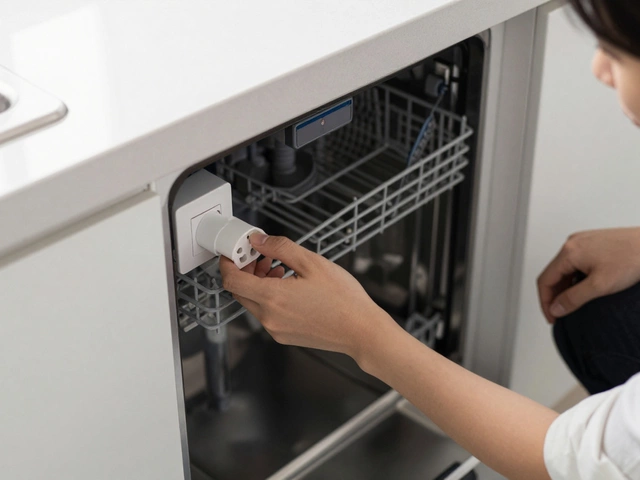
Learn how to reset your dishwasher using hard resets and brand-specific button codes. Quick fixes for Bosch, Samsung, Whirlpool, and more to clear error codes.
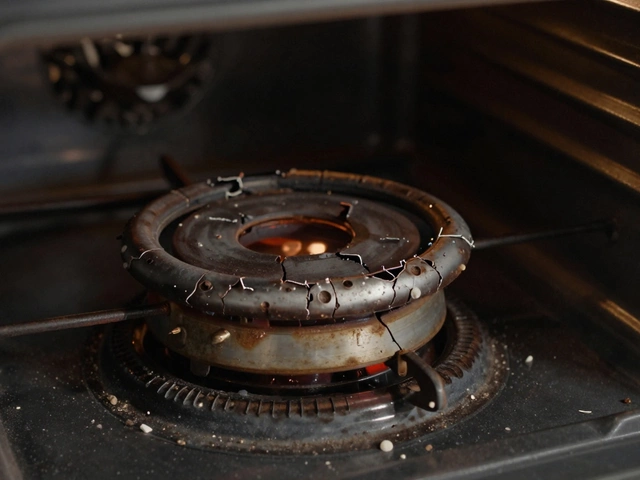
If your oven won't heat up, it's usually a simple fix-like a broken element, faulty thermostat, or blown fuse. Learn the most common causes and how to diagnose them yourself before calling a repair technician.
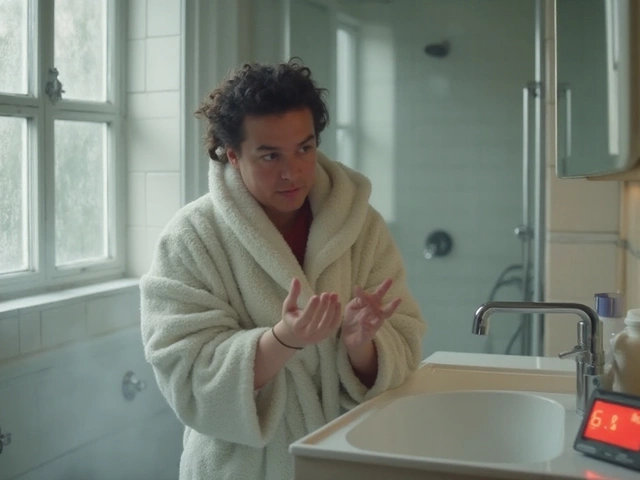
Experiencing no hot water in the shower can be frustrating, especially on cold mornings. This article provides practical solutions to diagnose and resolve common issues with your water heating system. From checking simple things like the thermostat to identifying more complex issues like a faulty heating element, you'll learn how to get back to enjoying a warm shower.
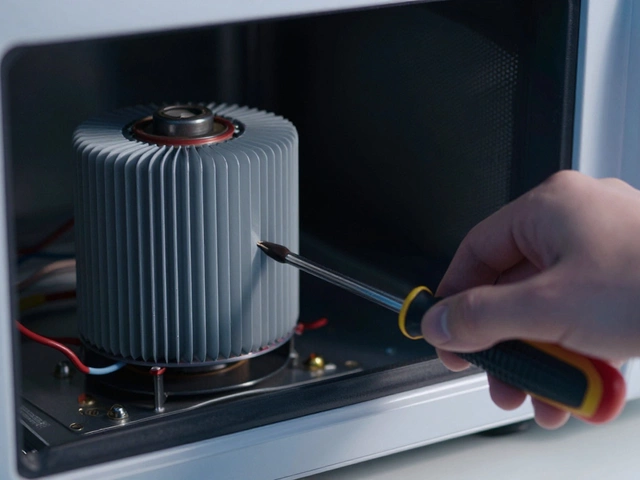
Fixing your own microwave might seem easy, but the high-voltage capacitor inside can deliver a lethal shock-even when unplugged. Here's why DIY repairs are dangerous and what you should do instead.

Ever got frustrated with cold showers while waiting for your hot water heater to get fixed? This article breaks down how long it really takes to repair different types of water heaters, from common issues you can fix yourself to problems that call for a pro. You'll learn what affects the repair timeline, plus some quick tips to speed things up. No more second-guessing if you’ll be stuck with icy water all day. Get the facts so you can plan around your next repair.