

If your boiler is making weird noises, losing pressure, or not heating at all, you don’t have to panic. A lot of the common problems can be tackled with a few tools, a bit of patience, and the right safety precautions. Below you’ll find practical advice that lets you decide what you can safely fix yourself and when it’s time to hand the job over to a certified engineer.
First thing’s first – safety. Boilers work with gas, water, and electricity, so there’s a real risk of leaks, burns, or carbon monoxide if you mess up. If you spot a gas smell, a cracked pipe, or any sign of a serious leak, shut the system off and call a Gas Safe engineer immediately. Those are red‑flag situations you should never try to fix on your own.
On the other hand, many issues are low‑risk and can be sorted without professional help. Things like resetting the pressure valve, bleeding radiators, or cleaning a dirty thermostat are everyday tasks that most homeowners can handle in under an hour.
1. Resetting the pressure. If the pressure gauge reads below 1 bar, the boiler may shut down. Locate the filling loop (usually a flexible metal hose behind the boiler), open the valves slowly, and watch the gauge climb to around 1.2 bar. Once it’s there, close the valves and the boiler should restart.
2. Bleeding radiators. Cold spots on a radiator often mean trapped air. Use a radiator key to turn the bleed valve counter‑clockwise until you hear a hissing sound, then close it when water starts to flow. This lets hot water circulate properly and can improve overall heating efficiency.
3. Cleaning the thermostat. Dust and grime can cause the thermostat to misread room temperature, making the boiler cycle on and off too often. Turn off power, remove the thermostat cover, wipe it clean with a dry cloth, and snap it back in place.
4. Checking the condensate pipe. In colder weather, the condensate pipe can freeze and block the drain. If you notice water spitting out of the boiler or a blocked pipe, gently pour warm water down the pipe to melt any ice. Make sure the pipe is angled correctly so water can flow freely.
5. Re‑setting the boiler. Sometimes a simple reboot fixes error codes. Turn the boiler off at the mains, wait 30 seconds, then switch it back on. Most modern units will run a quick self‑diagnostic and clear minor faults.
While you’re working, always turn off the power and, if you’re dealing with gas components, shut the gas supply. Keep a fire extinguisher nearby just in case, and never attempt repairs that involve opening gas valves or the internal heat exchanger.
If you’ve tried these steps and the boiler still won’t fire up, shows the same error code, or you’re unsure about any part of the process, it’s time to call a professional. A qualified engineer can safely test the gas pressure, inspect the heat exchanger for cracks, and ensure your system meets current safety standards.
DIY boiler repair can save you a few pounds and give you confidence in your home’s heating system, but never let a desire to save money outweigh safety. Keep these quick fixes in mind, follow the safety checklist, and you’ll know exactly when to roll up your sleeves and when to pick up the phone.

Curious if you can fix your boiler yourself? This detailed guide covers common boiler problems, easy repairs you can tackle, and when to leave it to the pros.
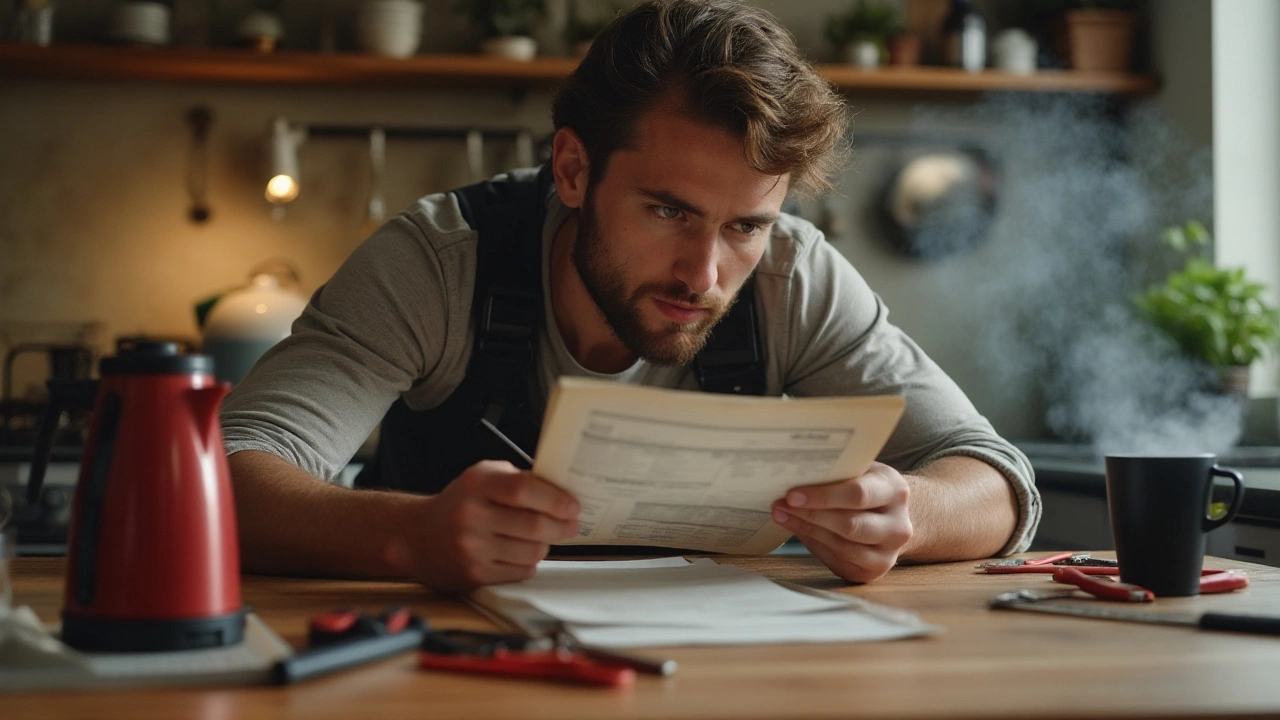
Boiler servicing is an essential aspect of home maintenance that ensures safety and efficiency. While it might seem tempting for homeowners to attempt servicing their own boilers, it's crucial to understand the complexities and risks involved. This article explores whether boiler maintenance can be a DIY project, providing key tips and insights. It offers guidance on what aspects are safe to handle on your own and when to call in a professional.

Repairing an aging laptop can be a tricky decision. This article explores whether it's still worth investing in a 7-year-old device. We'll consider factors like performance, cost, potential upgrades, and environmental impact. Dive in to learn about the practical and sentimental value of maintaining your trusty laptop.
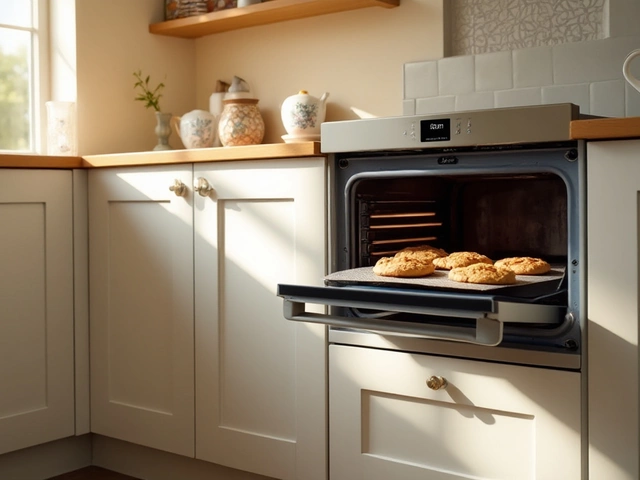
An electric oven is a staple in most kitchens, used for everything from baking cookies to roasting savory meals. Knowing how long an electric oven is expected to last can help homeowners budget and plan for replacement or repairs. This article explores the average lifespan of electric ovens, factors influencing their durability, and tips on maintenance to extend the life of the appliance. Understanding these aspects will aid in maximizing the utility and performance of your oven.

Dryers are workhorses in the laundry room, but they aren't immune to problems. This article breaks down the most common issues found in tumble dryers, from weird noises to clothes that just won't get dry. You'll find straightforward explanations for why these problems happen and learn some practical tips to fix or prevent them. Plus, get the inside scoop on when you should call for a pro. Save money, avoid headaches, and keep your dryer running smoother for longer.

Wondering who fixes extractor fans? Find out which trade has the right skills, top repair tips, and practical advice for solving extractor fan issues fast.
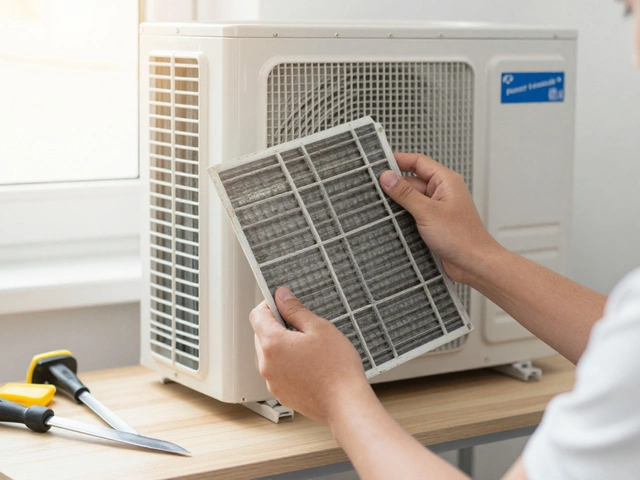
You can fix some heat pump issues yourself - like dirty filters or tripped breakers - but refrigerant leaks, compressor failures, and electrical problems require a professional. Know the limits before you try a DIY repair.