

If your dishwasher is leaving dishes dirty, making strange noises, or leaking water, you’re not alone. Most households face at least one of these issues each year. The good news is that many of the culprits are easy to spot and fix without calling a technician.
The first thing to check is the spray arms. Food particles can block the tiny holes, preventing water from reaching every dish. Pull the arms out, rinse them under warm water, and use a toothpick to clear any clogs. While you’re at it, inspect the filter at the bottom of the tub. A dirty filter catches debris but can become clogged itself, reducing water flow. Remove the filter, scrub it with a soft brush, and rinse well.
Next, look at the detergent. Using the wrong type or too little can leave a film on plates. Always use a high‑quality dishwasher powder or gel, and follow the manufacturer's recommended amount. If you have hard water, consider a water‑softening rinse aid – it helps prevent mineral buildup that can also affect cleaning performance.
Finally, check the loading pattern. Over‑crowding or placing large items block the spray path. Make sure pots, pans, and bowls are angled so water can spray over them, and keep the bottom rack clear for larger items.
Slow draining or standing water usually points to a blockage in the drain hose or the pump. Disconnect the hose (make sure the dishwasher is off) and look for kinks or debris. If the hose looks clean, the pump may need a quick inspection. Remove the front panel, locate the pump impeller, and clear any food scraps that might be jammed inside.
Unusual noises often come from worn‑out bearings, loose spray arm bolts, or a failing motor. Tighten any loose bolts first – a simple tighten can silence rattling. If the sound is a grinding noise, the motor or pump might need replacement, which is best handled by a professional.
Leaks are usually caused by a cracked door seal, a loose door latch, or an overfilled detergent drawer. Inspect the rubber gasket around the door for tears or hard spots; replace it if it’s damaged. Make sure the door latches firmly shut each cycle. Also, avoid over‑filling the detergent compartment – too much soap can overflow and drip onto the floor.
Regular maintenance goes a long way. Run a monthly cleaning cycle with a dishwasher cleaner or a cup of white vinegar on the top rack. This clears lime deposits and keeps the spray system free of gunk. After each wash, wipe the door seal and interior edges to prevent mould build‑up.
When you’ve tried the basics and the problem persists, it’s time to call in a local expert. A professional can test electrical components, replace worn parts, and ensure your dishwasher runs efficiently again. Keeping an eye on these common issues will save you time, money, and the headache of a broken appliance.
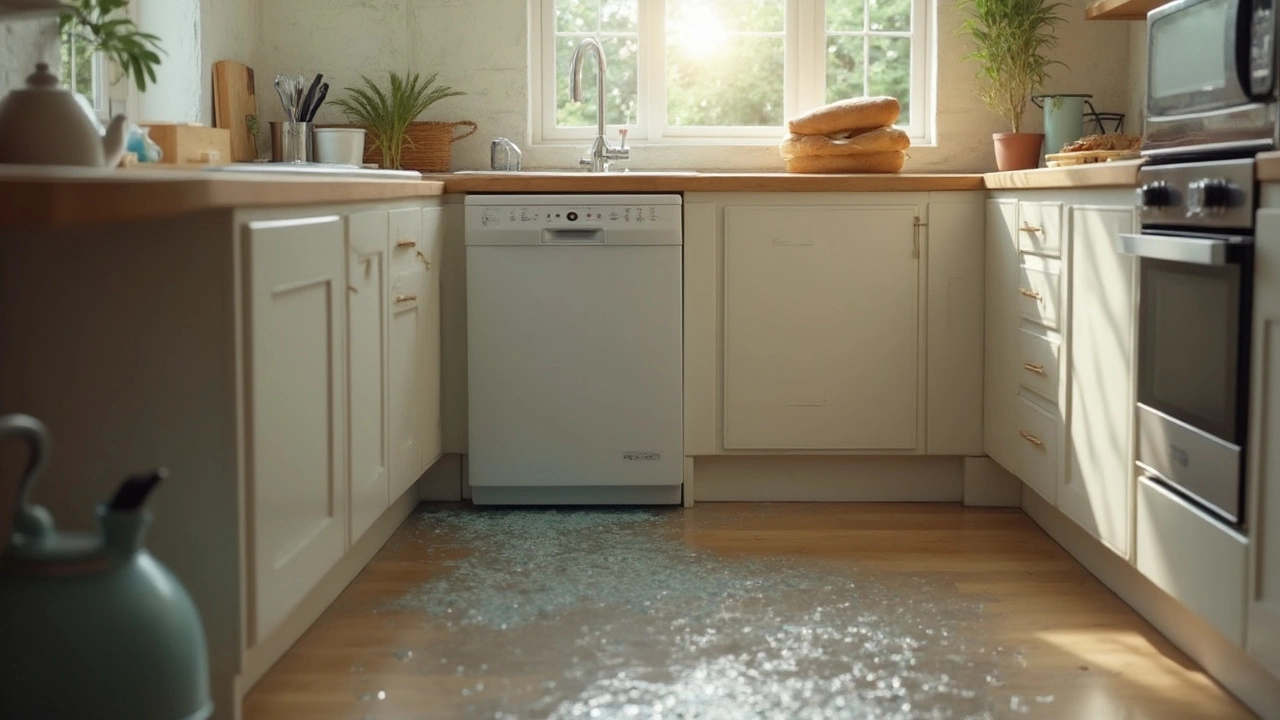
Dishwashers are a staple in modern kitchens, but they often face common issues. So, what's the most frequent problem users encounter? This article dives into typical faults like drainage issues and proposes practical solutions. Understand why your dishwasher might not clean effectively and learn simple DIY fixes to keep it in top shape. By addressing these issues, you'll ensure your dishwasher runs smoothly for years to come.

Gas hobs can suddenly stop working for a bunch of reasons, from ignition troubles to blockages or problems with gas supply. This article breaks down the main causes, so you don't have to guess what went wrong. You'll learn easy troubleshooting steps and a few quirky facts about why these appliances get stubborn. With some quick checks, you might even save yourself a call to the repair guy. Know when it’s a simple fix and when it’s time for a pro.
Discover the most reliable heat pump brands for UK homes in 2025, based on real repair data, warranty claims, and installer feedback. Avoid costly mistakes by choosing wisely.
Learn why all your gas appliances might stop working, how to safely troubleshoot common issues, and when to call a Gas Safe engineer.
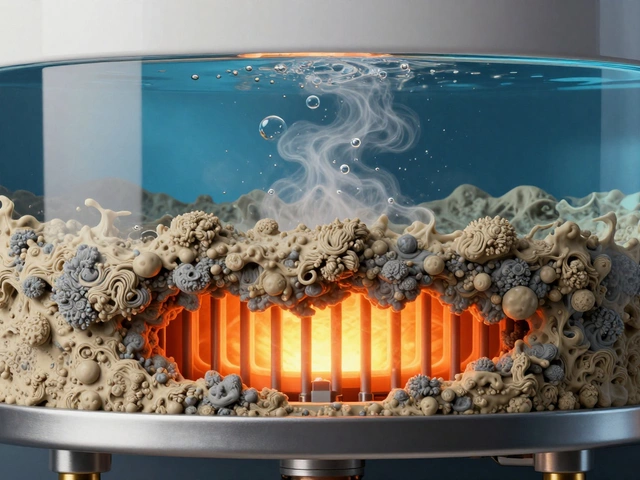
Discover the most common hot water heater problems, including sediment buildup, pilot light failures, and leaks. Learn how to diagnose issues, perform maintenance, and extend your unit's lifespan.
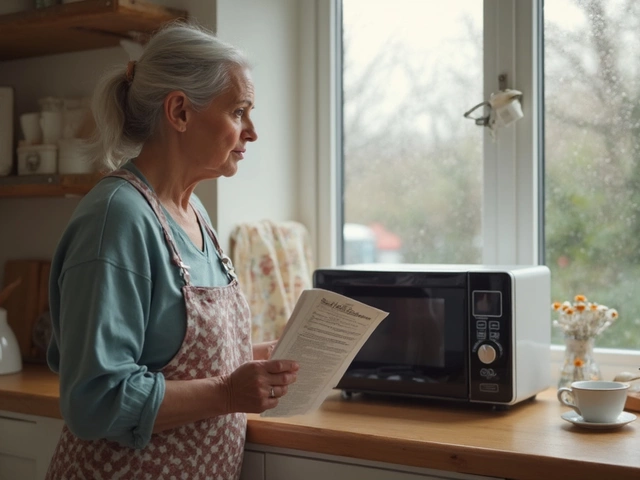
Wondering if you can fix your microwave at home instead of tossing it and buying a new one? This article breaks down common microwave problems, what you can safely handle, and when it's better to call a pro. Get practical tips that actually make a difference, plus real talk about microwave safety. Save yourself time, money, and stress with easy-to-follow advice. Tackling your appliance repair just got a whole lot simpler.