

When your boiler starts acting up, the first thing on your mind is usually “how long will this take?” The good news is many problems have easy clues and quick DIY checks. Below we break down the top boiler hiccups, what they look like, and when you should grab the phone for a qualified engineer.
If the radiators stay cold and the tap water is lukewarm, the boiler is either not firing or the water isn’t circulating. First, check the thermostat – is it set high enough? Next, look at the pressure gauge; most boilers need a pressure between 1 and 1.5 bar when cold. If the pressure is low, you can top it up using the filling loop (usually a flexible hose beneath the unit). Turn the boiler off, open the valve slowly, and watch the gauge climb. If pressure is fine but the boiler still won’t fire, a blocked condensate pipe or a faulty pump could be the culprit. Those parts need a professional’s eye.
Kettling, banging, or whistling sounds are more than just annoying; they signal underlying issues. Kettling happens when limescale builds up on the heat exchanger, causing water to boil in the metal. A quick fix is to run a descaling solution through the system, but a persistent kettling problem often means the heat exchanger needs replacement – a job for a trained engineer. Banging noises (also called “water hammer”) usually point to trapped air in the pipes or loose pipework. Bleeding the radiators can release the air, and tightening any loose brackets can stop the clatter.
Other common signs include a constantly flashing error code on the display, an orange or red LED light, or an unexpected shutdown. These warnings often come from the boiler’s safety sensors – like a faulty flame detector or a broken thermostat. While resetting the boiler can clear a temporary glitch, repeated error codes mean the sensor is likely failing and must be replaced.
Regular maintenance is the best defense against most of these problems. A yearly service from a Gas Safe registered engineer will clean the heat exchanger, check the pressure valve, test the safety controls, and make sure everything is sealed properly. The service usually costs between £80 and £120, but it saves you from emergency call‑outs that can run over £200.
When you’re unsure, the rule of thumb is simple: if the fix involves opening the boiler’s internal parts, working with gas, or handling electrical components, call a professional. Trying to tinker with gas connections or the main PCB can be dangerous and may void your warranty.
In a nutshell, keep an eye on pressure, listen for odd noises, and never ignore error codes. Simple checks like topping up pressure or bleeding radiators can get you back to comfort fast. For anything more complex, a qualified boiler engineer will diagnose and repair the issue safely, keeping your home warm without breaking the bank.
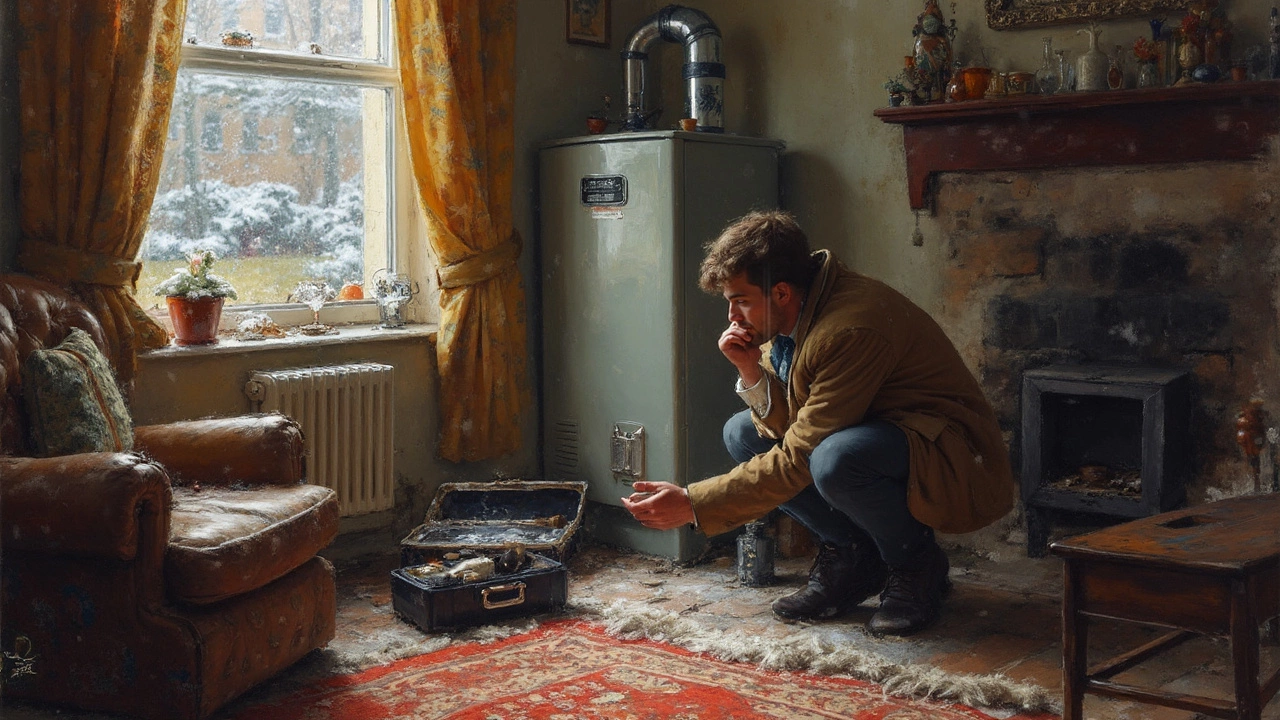
Struggling with a troublesome boiler? Discover the most frequent issues like lack of heat, strange noises, and leaking water. Learn practical tips and tricks on how to diagnose and fix these problems on your own. Recognize when it's time to call a professional and keep your home warm and comfortable.

Curious if you can fix your dishwasher without calling a pro? This article breaks down the most common dishwasher problems and explains which repairs you can actually do yourself. We’ll cover how complicated these appliances really are, how to figure out what’s wrong, the tools you’ll need, and which jobs might leave you better off calling an expert. Get practical tips, interesting facts, and a clear picture of what you’re actually signing up for before grabbing that toolbox.
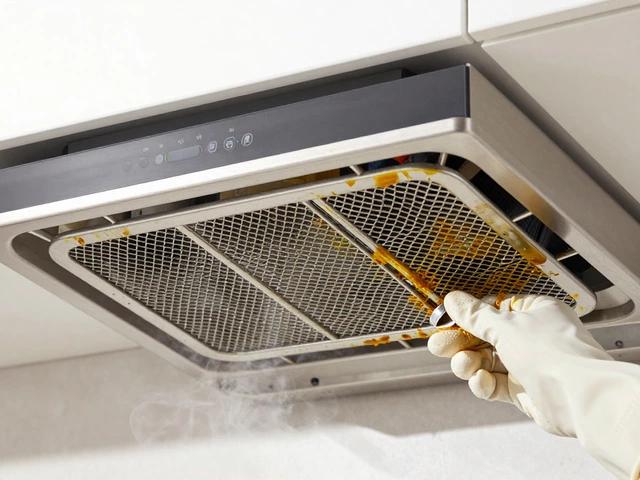
Learn how to troubleshoot a broken extractor fan step-by-step. From cleaning filters to testing capacitors, this guide helps you fix common issues like weak suction, humming noises, and complete failure safely.
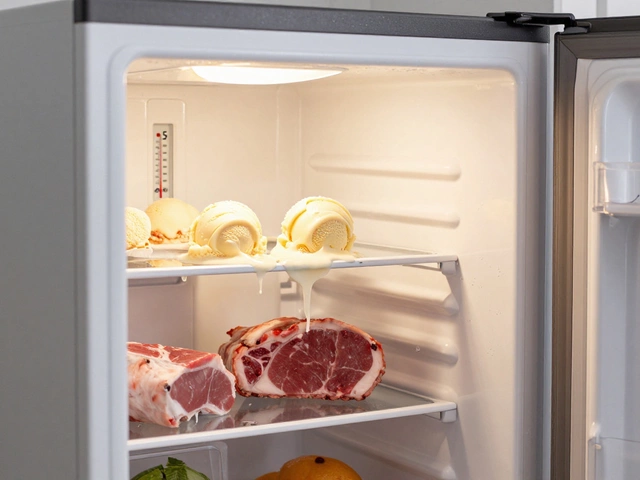
When your freezer stops freezing, food spoils fast and bills spike. Learn the top causes - from bad seals to failing compressors - and how to fix them yourself before calling a technician.
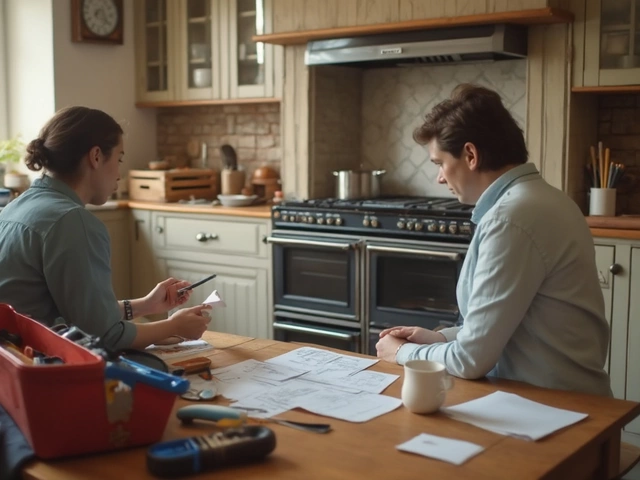
Thinking about whether to repair an 8-year-old oven? This article digs into the real costs and benefits, from repair bills to how long ovens actually last. You'll get tips on diagnosing simple issues yourself, signs to look for before calling a pro, and how energy efficiency compares between old and new models. See how warranties, brand reputation, and parts availability impact the final call. Get advice that’s practical, straight-up, and doesn’t waste your time.
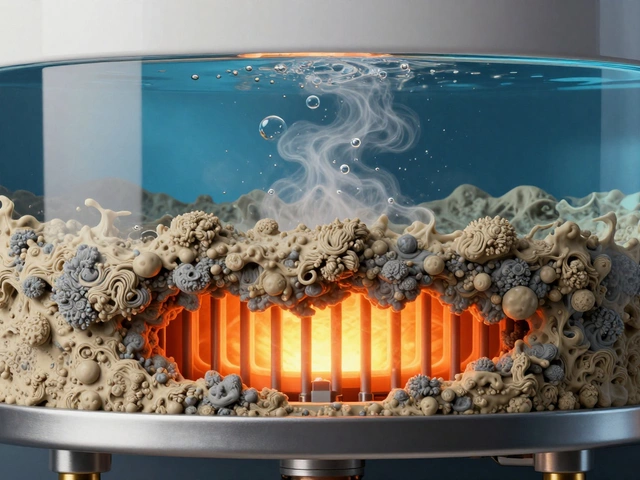
Discover the most common hot water heater problems, including sediment buildup, pilot light failures, and leaks. Learn how to diagnose issues, perform maintenance, and extend your unit's lifespan.