

Staring at a broken washing machine, a finicky oven, or a fridge that won’t cool? The first question that pops into most heads is: should I call a pro or just buy a new one? It’s a classic dilemma that mixes cost, convenience, and a sprinkle of DIY bravery. Below you’ll get straight‑to‑the‑point advice that helps you weigh the options without pulling your hair out.
Cost of repair vs. price of a new unit. Get a quick quote from a reputable local repair service. If the repair bill is more than half the price of a new appliance, it’s often cheaper in the long run to replace it. Remember to factor in any warranties that come with a new model – they can save you from future headaches.
Age of the appliance. Most major appliances have an expected lifespan: washing machines 8‑12 years, fridges 10‑15 years, ovens about 13 years. If your gadget is nearing or past that range, internal parts are likely wearing out. Even if the repair cost looks good now, you may face another breakdown soon.
Frequency of breakdowns. One glitch can be a fluke, but repeated repairs signal deeper issues. Keep a log – if you’ve called for service three times in a year, it’s a strong hint that replacement is smarter.
Energy efficiency. New appliances usually consume less electricity or gas. If an old fridge is chugging power, swapping it for an energy‑star model could shave off a noticeable chunk of your utility bill, offsetting the upfront cost.
Availability of parts. Some older brands stop making spare parts after a few years. If the part you need is rare or custom‑ordered, waiting for it could add weeks – and more cost – to the repair process.
Washing machines. Look for leaks, noisy spins, and error codes. A simple pump or belt swap can cost under £100. If the drum is rusted or the motor fails after 10 years, it’s probably time for a new, more efficient model.
Refrigerators. Warm spots, noisy fans, or a freezer that won’t freeze are common signs. Door seals are cheap fixes; a faulty compressor, however, often means replacement, especially if the unit is older than 12 years.
Ovens and hobs. An element that won’t heat can be replaced for around £50‑£80. If the control board is dead or the oven door won’t close, weigh the repair cost against a new, convection‑ready oven that cooks faster and saves energy.
Dishwashers. Check spray arms, filters, and the pump. Minor clogs are DIY fixes. If the motor or heating element fails on a machine older than 8 years, a fresh, quiet dishwasher may be the better bet.
Water heaters. Sediment buildup can cause noise and slower heating. Flushing the tank is an easy fix. Corroded tanks or failing thermostats in units over 10 years usually signal replacement, especially if you notice rust in the water.
Bottom line: catalog the symptoms, get a solid repair estimate, and compare it with the cost of a new, energy‑smart model. If you’re still stuck, ask yourself if you’d mind the appliance being out of service for a few days while you wait for a part. A short‑term inconvenience can be worth a longer‑term savings.
By using these simple checks, you’ll make confident choices that keep your home running smoothly without breaking the bank. Happy deciding!

Thinking about fixing your 7 year old refrigerator? This article breaks down the real costs, reliability, and what you should watch for before you pay for repairs. You’ll find clear tips on when it’s smarter to repair or replace, how much you’ll likely spend, and some key things most people forget to check. Get the real scoop from an expert so you don’t waste time or money.

When your boiler breaks down, taking a comfortable shower suddenly feels like a luxury. This article explains exactly what happens to your shower when a boiler goes out, ways to still get clean, and when you should call in a professional. Learn alternative methods for washing, bust some myths about cold showers, and get tips on preventing future breakdowns. We even cover what to do if you have kids or need to keep up with fitness routines. Staying clean during a crisis isn’t impossible—you just need a bit of know-how and some creative solutions.
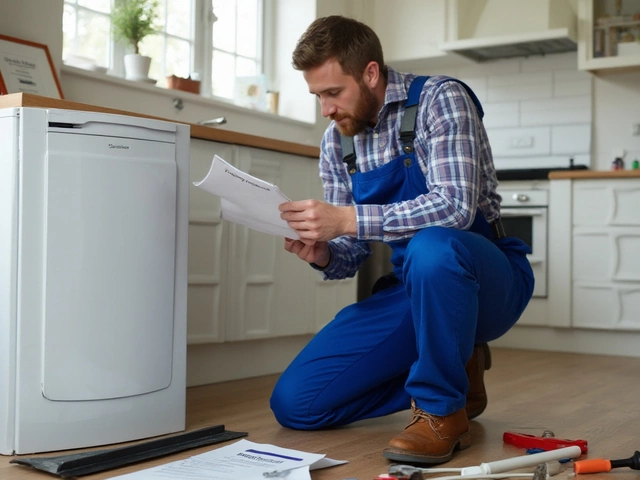
Plumbers are often the go-to professionals for a wide range of home repairs, but when it comes to boilers, it's essential to know their scope of work. This article delves into whether plumbers can actually handle boiler installations and replacements. You'll uncover what specific skills and certifications are required for boiler work, why hiring a specialized heating engineer may be recommended, and the potential risks of using underqualified technicians. Whether you're considering a new boiler or need an existing one serviced, understanding who is best suited for the task is crucial.

Choosing a cooker that stands the test of time can be daunting amid a sea of brands promising longevity. This article delves into which brands have stood out for their durability and reliability. By exploring user experiences and industry insights, it aims to guide you in the right direction. Discover how some brands maintain their reputation for endurance and what to consider when selecting your next appliance.
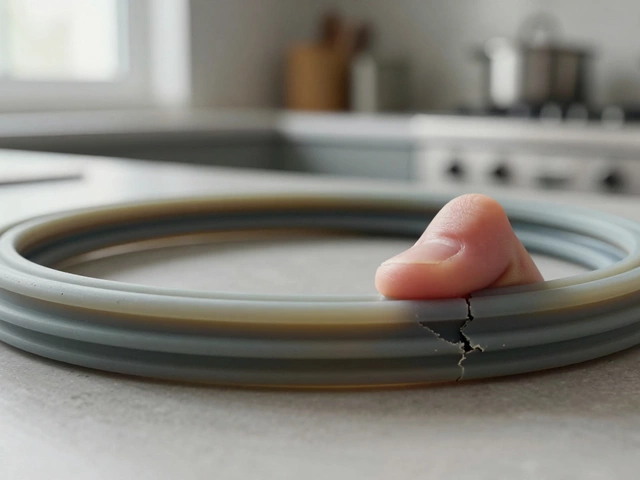
The most common pressure cooker problems are leaking steam, bad seals, clogged valves, and lid issues. Learn how to diagnose and fix them yourself before replacing your cooker.
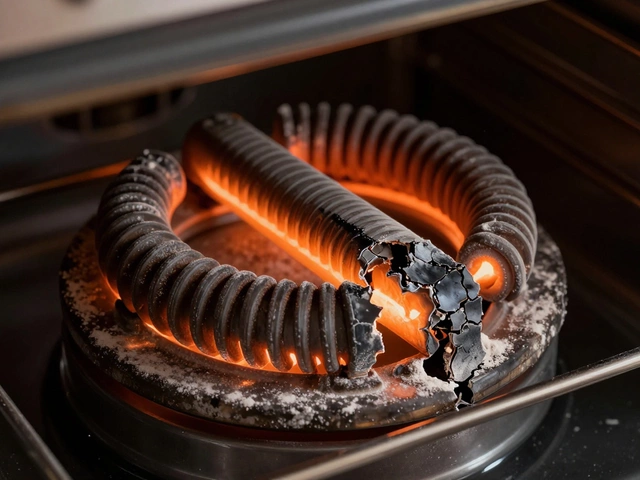
Learn how to tell if your oven element is blown by checking for visible damage, testing with a multimeter, and observing oven behavior. Most oven heating issues are simple fixes.